Modern Government in Action: How Ohio is using AI and innovation to improve service
Ohio is leveraging artificial intelligence to modernize state operations and cut bureaucratic red tape. The state is embracing innovation to deliver faster, more efficient results for businesses and voters, writes Ohio Secretary of State Frank LaRose.

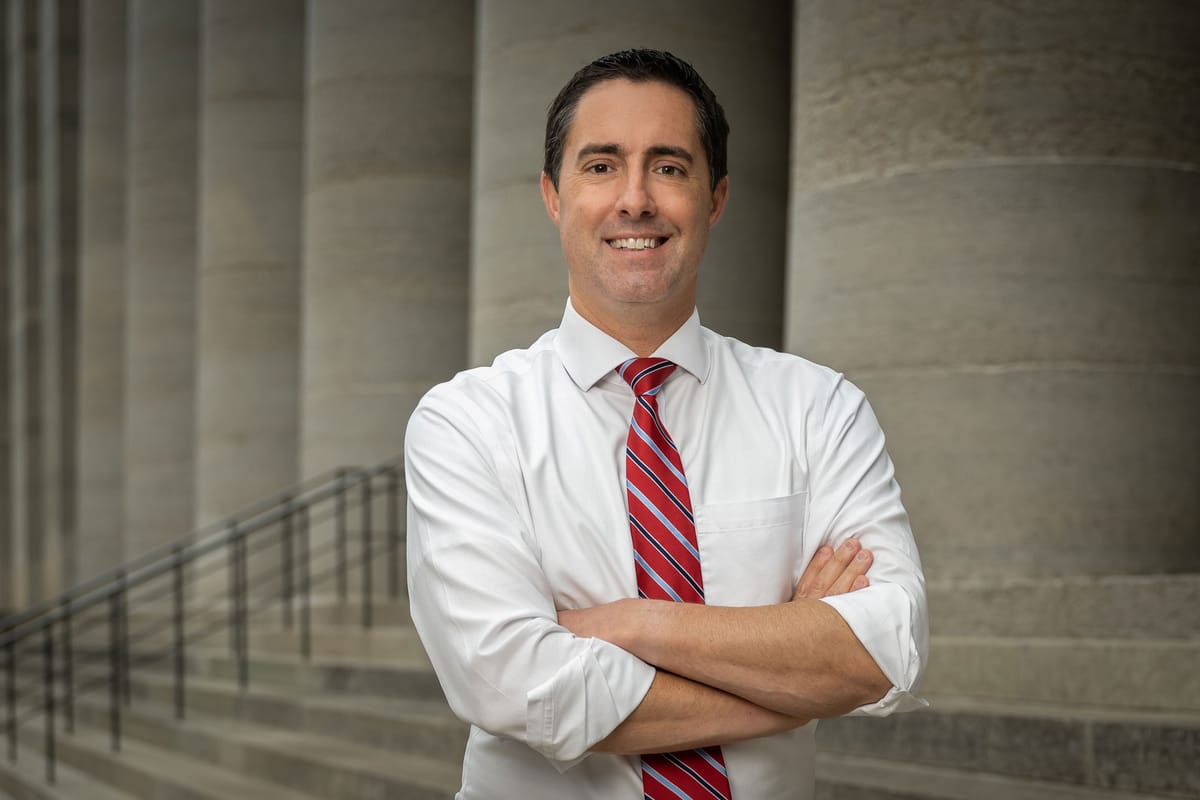
By Frank LaRose
Artificial intelligence is seemingly everywhere these days, with no shortage of opinions to go with it. When used responsibly, it’s a practical tool that can transform the way government works for everyday people. Here in Ohio, the Secretary of State’s Office is harnessing AI and other emerging technologies in ways that improve efficiency, bolster cybersecurity, and deliver faster, more consistent service to citizens and county election officials alike. Our first step was issuing a clear, practical AI policy that set simple, commonsense rules for responsible use and made it clear that leaders at every level are encouraged to responsibly use these tools. And we’re pairing that with forward-looking financial innovation that prepares state government for the realities of a digital economy.
Take EVA, the Elections Virtual Assistant, for example. EVA is an AI-assisted tool that references verified, official sources to give Ohio’s election officials instant, accurate answers to procedural and legal questions. No more flipping through 500-page rulebooks or spending hours searching through the Ohio Revised Code. County boards now have the information they need in seconds, saving hours of manual work, reducing confusion, and increasing confidence in election administration.
We’re also using AI to support training for our boards of elections. Elections officials in all 88 counties — whether large or small — need to understand complex rules, deadlines, and compliance requirements. Our AI-enhanced training platform helps build engaging instruction and reinforces best practices. The result? Smaller counties can operate with the same efficiency and expertise as larger ones, helping level the playing field across the state.
Another benefit of AI in our day-to-day work is 24/7 support. Questions don’t always come during business hours. With AI tools available around the clock, county officials and staff can get help whenever they need it. That reduces repetitive inquiries to state staff and frees those professionals to focus on higher-value work such as strengthening security and preparing for upcoming elections.
I also see AI playing an increasingly important role in improving cybersecurity
awareness. By analyzing workflows and identifying patterns that might indicate
anomalies, AI can help staff spot compliance issues sooner and support stronger
defenses around sensitive systems.
For the public, AI speeds up communications and helps standardize responses so the information voters receive is clearer, more accurate, and more transparent. Even in an era of misinformation, consistency and reliability matter.
Why does this all matter? Government holds massive amounts of structured data — with nearly unlimited applications for responsible AI. When we use AI to take on repetitive tasks, human staff are freed to apply judgment, deliver high-quality customer service, and make thoughtful decisions that affect communities. That translates to better service delivery — faster answers, fewer errors, and consistent guidance across the state.
Innovation isn’t limited to AI. Ohio is also positioning itself at the forefront of financial modernization. The state recently approved a vendor to enable state agencies to accept cryptocurrency, including Bitcoin, for fees and services, with the Secretary of State’s Office prepared to be the first to offer this option. This initiative — backed by a unanimous vote of the Ohio State Board of Deposit — builds on Ohio’s reputation for pioneering digital payment options and reflects a thoughtful, secure approach to leveraging new tools for public benefit.
Frank LaRose is the 51st Secretary of State of Ohio.