Ohio tech goes west to build a bridge to Silicon Valley
More than 200 people registered for the first Ohio Tech Night: SF, bringing founders, investors, and operators together as Ohio State expands its Bay Area presence and companies like Upstart and Path Robotics show how the two ecosystems are already increasingly connected.


Ohio’s technology sector is building a longer bridge to Silicon Valley.
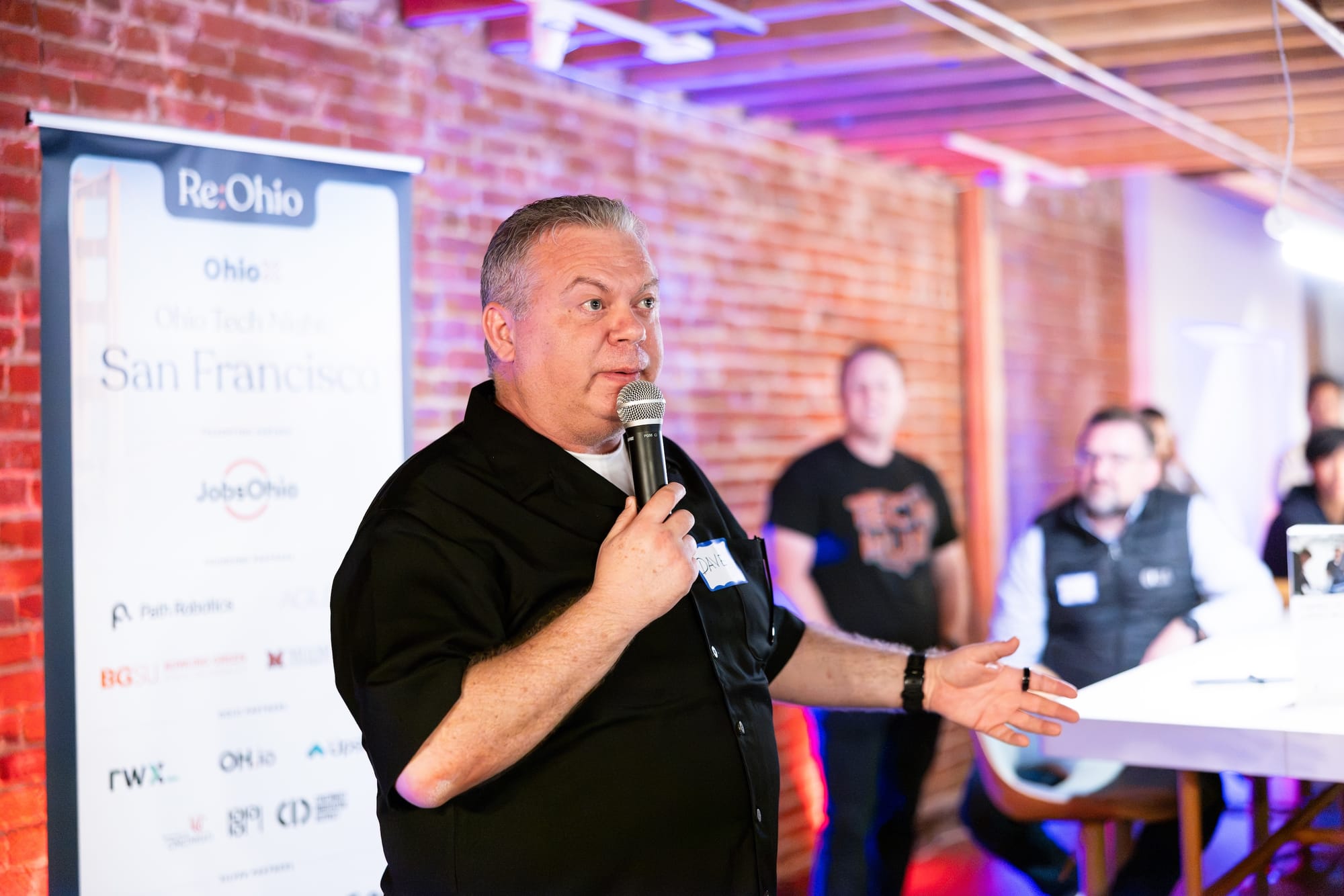
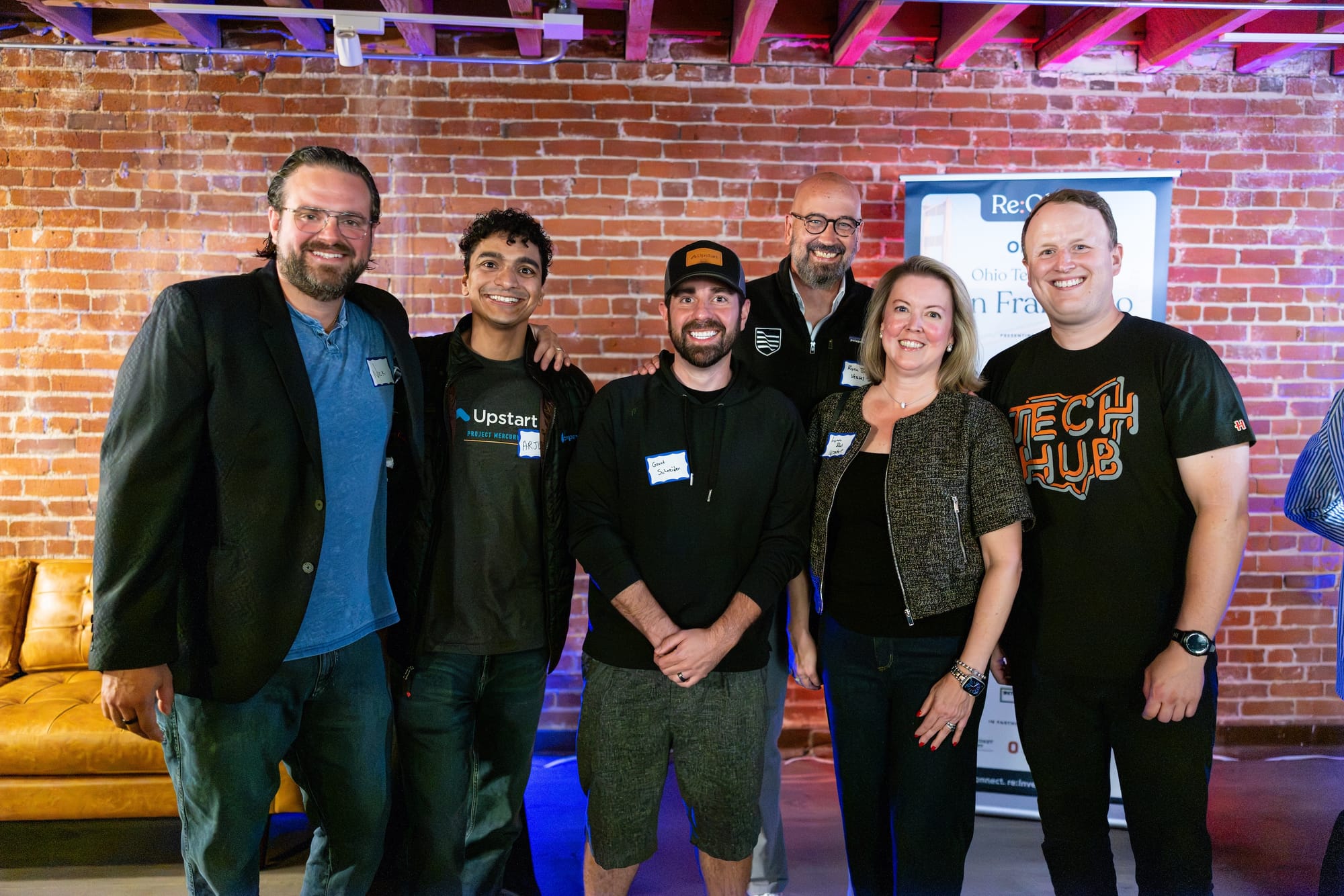
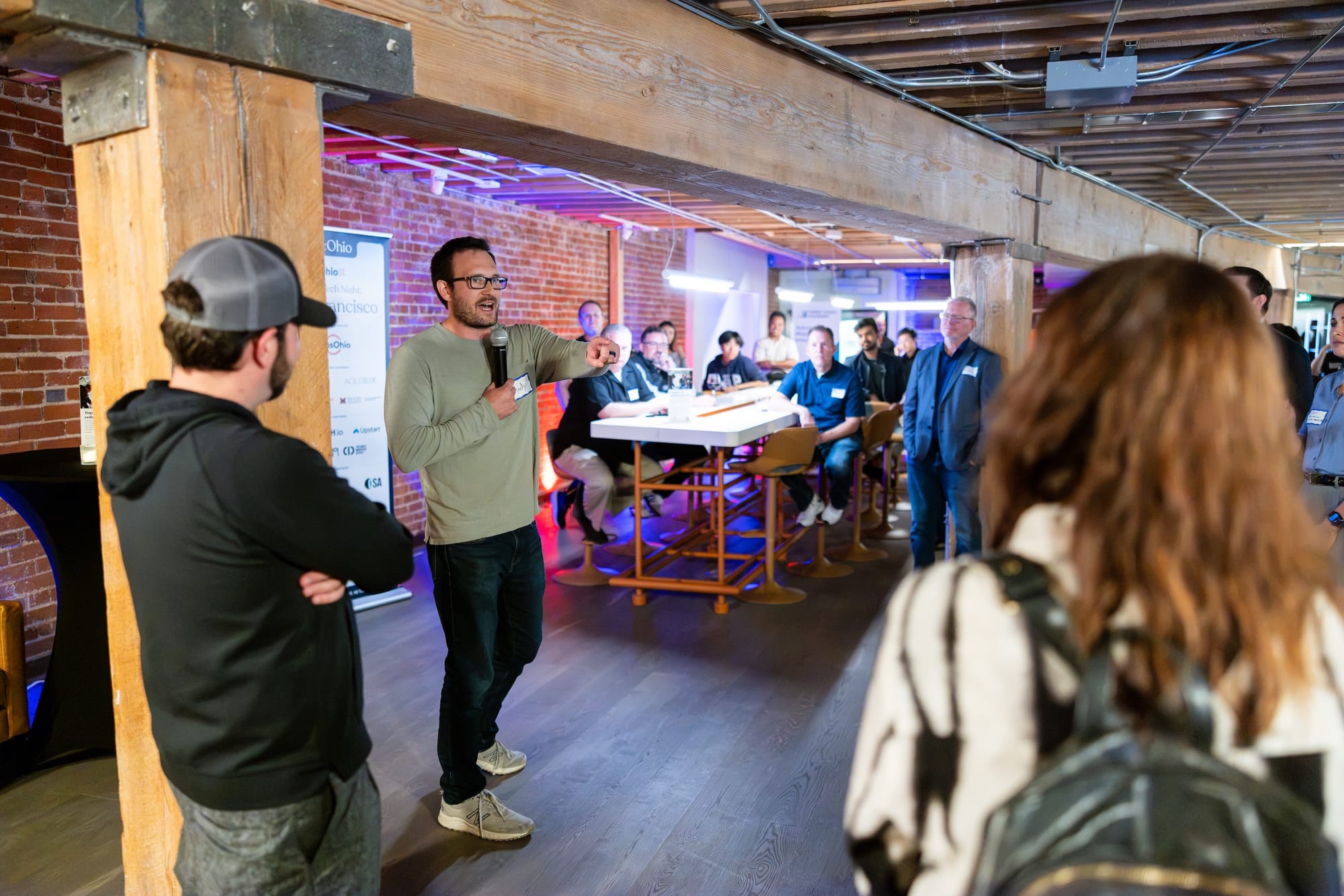
More than 200 people registered for the inaugural Ohio Tech Night: San Francisco on August 19th, bringing Ohio founders, executives, and economic development leaders together with investors, operators, and Ohio expats living in the Bay Area.
About 70% of registrants were from the San Francisco region, while roughly a quarter came from Ohio.
The event, organized by OhioX, JobsOhio and Ohio Life Sciences, was held at Third Coast Foundry, the San Francisco innovation hub that Ohio State and eight other Midwest research universities opened earlier this summer.
But the Ohio-to-California connection goes well beyond a networking event.
Ohio tech companies need access to the concentration of venture capital, technology companies, and talent in the Bay Area. At the same time, a growing list of examples show that accessing those resources does not necessarily mean building a company there.
Third Coast Foundry was created around that premise.
The 3,500-square-foot hub opened in San Francisco’s South Park neighborhood in June, giving startups connected to Ohio State and its partner universities a physical place to meet investors and companies in Silicon Valley. The nine universities behind the effort collectively account for nearly $10 billion in annual research spending and more than 300,000 students.
The goal is not to relocate those startups to California.
“Third Coast Foundry is both a physical presence and a bridge between the Bay Area and the Midwest,” Shereen Agrawal, Ohio State’s associate vice president of student innovation and entrepreneurship, said of TCF's opening.
Ohio Tech Night put another piece of that idea into practice: give Ohio companies a landing point in the Bay Area while creating a reason for Ohioans already there to reconnect with the state.
There is already a playbook for what that relationship can look like.
Upstart found its second home in Columbus
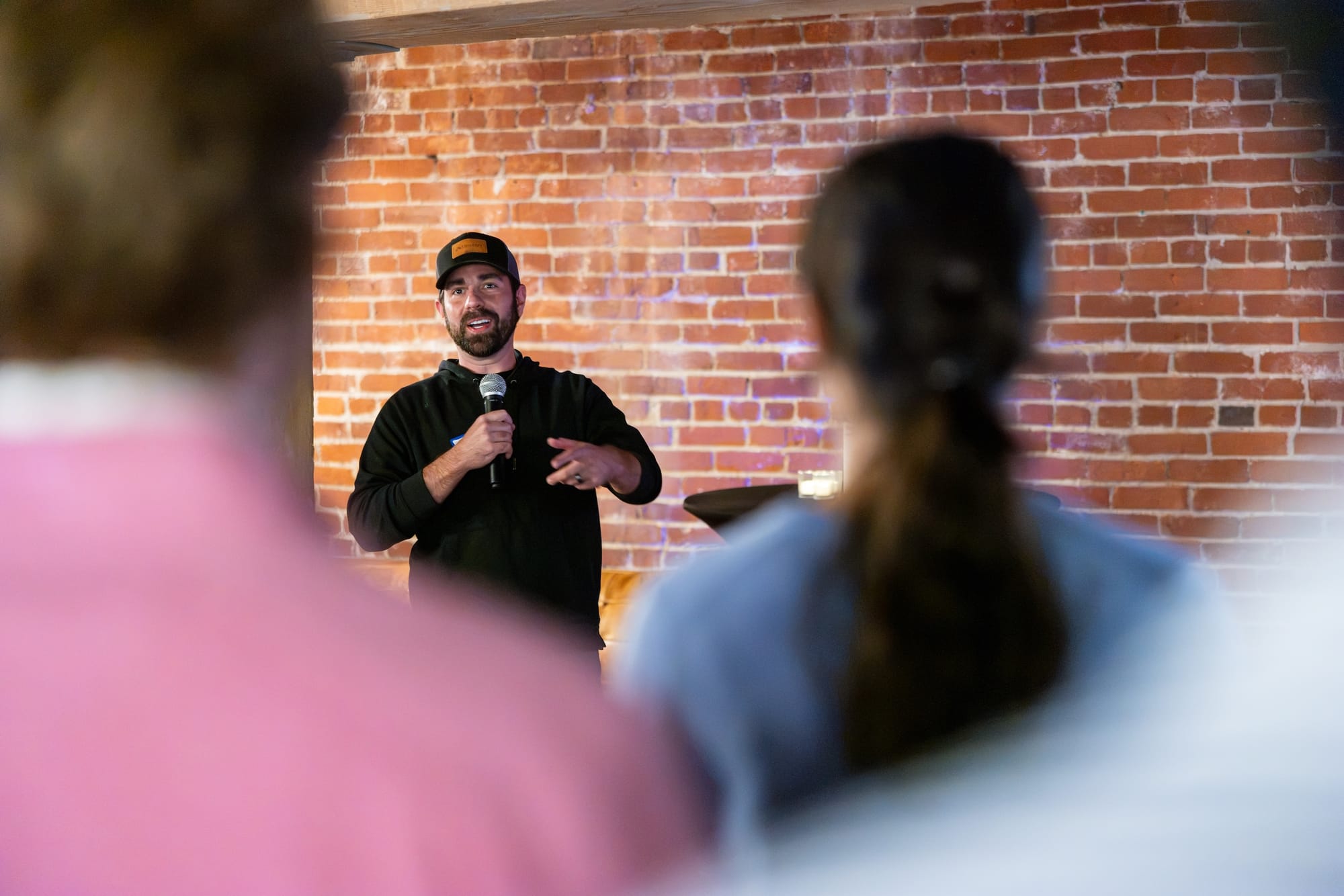
Grant Schneider, CTO at Upstart, spoke at the gathering and is a real world example of the possibilities when Silicon Valley and Ohio meet.
Schneider grew up in southeast Ohio and spent a decade at Ohio State, earning a Ph.D. in statistics before joining San Mateo-based Upstart in 2014 as one of its earliest machine learning engineers. He returned to the company as CTO in February after previously leading its machine learning organization.
His career also helped create one of Ohio’s better examples of a Silicon Valley-to-Ohio expansion.
In 2018, Upstart tasked Schneider with helping find a location for its second headquarters and R&D operation. The company initially considered about 25 cities before narrowing the search to Chicago and Columbus.
Columbus won.
Upstart was looking for technical talent, lower costs and a location that could complement rather than replace its Bay Area headquarters.
“It wasn’t an abandon-the-Bay-Area situation,” Schneider told Site Selection at the time. The company wanted to “combine the best of both worlds.”
The Columbus office quickly became more than a back-office operation. An early auto-refinancing product was about 90% built in Columbus, Schneider said, with local teams working across engineering, data science and machine learning.
Upstart's experience is an early example of what Ohio leaders increasingly want to replicate: companies gaining the advantages of a major technology market without requiring all of their talent and operations to be located there.
Built in Ohio, scaled on the coasts
Path Robotics offers another version of the model.
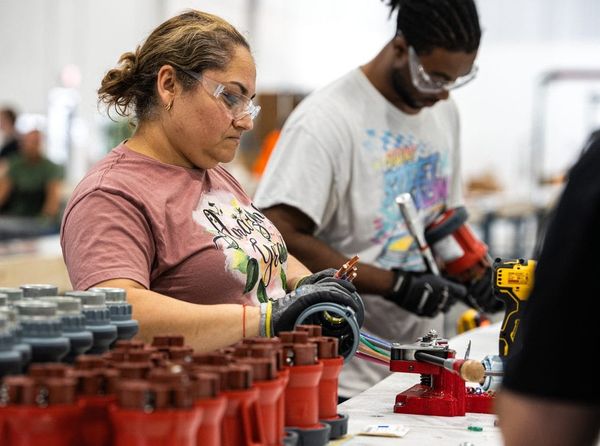
The Columbus physical AI company has spent 2026 moving deeper into the U.S. defense industrial base, most recently through a potential $600 million agreement with Huntington Ingalls Industries.
HII, the country’s largest military shipbuilder, signed performance-based agreements worth up to $900 million with Path and California-based GrayMatter Robotics to bring AI-enabled automation into naval shipbuilding. Path could receive up to $600 million in work over seven years if it meets performance milestones.
The geography is notable.
HII builds ships at major yards in Virginia and Mississippi. Path’s robotics technology is being engineered from Columbus. GrayMatter is based in California.
In other words, some of the technology headed for America’s coastal shipyards is being built hundreds of miles inland.
Path was also a founding partner of the San Francisco gathering.
Building the bridge
That is the larger opportunity behind Ohio's increased Bay Area presence.
Ohio companies will continue traveling west for venture capital, customers, and talent. California companies have reasons to look toward Ohio for talent, operating costs, customers, and expansion. And thousands of Ohio graduates and former residents already work inside the companies and investment firms that make the Bay Area the world's epicenter of innovation.
The question is how deliberately Ohio connects those pieces.
Ohio State now has a permanent startup outpost in San Francisco. Upstart demonstrated that a Silicon Valley company could build substantial AI and engineering capabilities in Columbus. Path Robotics is showing how an Ohio-headquartered AI company can pursue some of the country's largest technology and manufacturing opportunities while remaining based in Central Ohio.
Ohio’s connection to the Bay Area isn’t new. What’s changing is the effort to make it more intentional.
With Ohio companies building nationally significant technology, universities creating a physical presence in San Francisco, and Ohioans working throughout the Bay Area’s technology ecosystem, there is already a network to build from.
Ohio Tech Night was one more step toward connecting it.