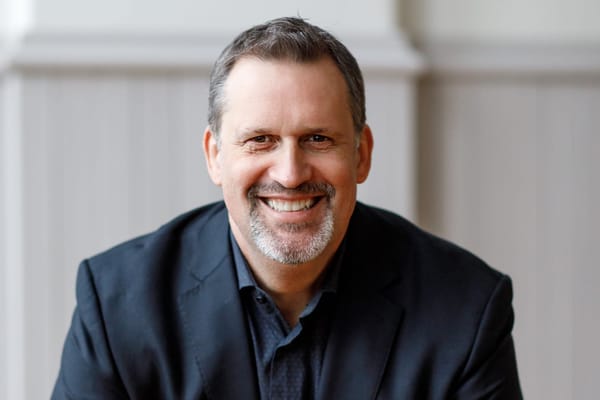
One Year In: Ray Leach on The O.H.I.O. Fund’s fast start and the "Tipping Point" for 2026
One year since its launch by Ray Leach and Mark Kvamme, The O.H.I.O. Fund has raised $238 million and backed 19 projects in AI and infrastructure. Leach discusses the fund's rapid sprint, the shift in investment culture, and why Ohio is poised for a major breakout year in 2026.

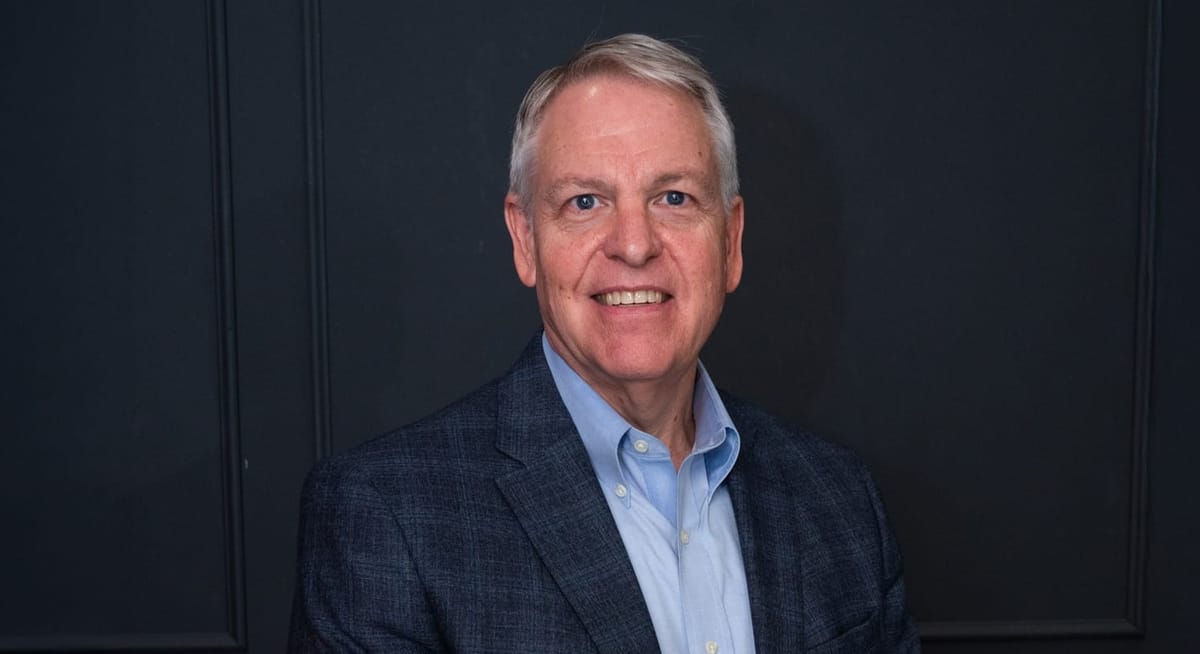
It has been one year since Ray Leach and Mark Kvamme formally launched The O.H.I.O. Fund. The thesis was ambitious: raise Ohio capital to invest in Ohio assets, keeping wealth and growth within state lines. The execution has been rapid—$238 million raised and capital deployed into 19 distinct projects ranging from AI logistics to physical infrastructure.
We sat down with Leach to discuss the fund’s first-year sprint, the shift in Ohio’s investment culture, and why he believes the state is poised for a breakout year in 2026.
Ohio Tech News: You closed year one with $238 million raised and 19 investments. That is a velocity of deployment we rarely see in regional funds. Was the deal flow stronger than you anticipated, or was this a case of pent-up demand finally meeting the right capital?
Ray Leach: The O.H.I.O. Fund is approaching its 18-month anniversary. Our early momentum raising capital from investors and our robust deal flow continue, with $353 million in capital commitments and 30 investments closed by year-end 2025. We knew there were significant capital gaps across private investment opportunities in Ohio, but we didn’t anticipate the gap would manifest to $3-4 billion so quickly. Given that most Ohioans are unaware that we exist, we project the actual Ohio capital gap is in the tens of billions.
OTN: The portfolio is intentionally eclectic—spanning high-growth software, advanced manufacturing, and even physical real estate. Now that you have a year of data, how are you seeing these different pieces fit together? Is there a "flywheel effect" happening between the portfolio companies yet?
Leach: The diversity of our investment portfolio is intentional and a key part of our model. We target investing one-third of our capital in real estate, one-third in growth equity, and one-third in later-stage venture to help growing firms (mostly tech-based) scale.
At the same time, we have invested in opportunities that generated cash returns in months, others with expected annual returns, and some that may not provide liquidity for years. We are also investing in opportunities where we can provide capital to an operating company while also supporting its real estate needs. Our investment mix, along with the expertise and diversity of our investors in The O.H.I.O. Fund Network, already has generated a flywheel effect that will only intensify as our investments deliver returns.
OTN: You transitioned from decades leading a non-profit venture organization (JumpStart) to running a private institutional fund. What has been the biggest personal adjustment in how you evaluate a "winning" deal today versus five years ago?
Leach: Leading The O.H.I.O. Fund is easier in many ways compared to leading an organization like JumpStart, given that The O.H.I.O. Fund’s primary goal is to generate financial returns for investors. We are looking for investments that can generate significant returns without considering other factors, such as near-term job creation.
OTN: A core pillar of The O.H.I.O. Fund is keeping wealth local—essentially creating a "sovereign wealth" model for Ohio. When you talk to investors now compared to a year ago, do you sense a shift in their belief that Ohio can generate coastal-level returns?
Leach: Our investors are encouraged by the returns we have already generated. The fact that we have raised the capital we have in a relatively short period is, we think, indicative of our investors’ confidence.
OTN: Looking toward 2026, you’ve expressed a lot of bullishness. Beyond the numbers, what are you seeing on the ground—in terms of talent, energy, or ambition—that suggests Ohio is hitting a tipping point right now?
Leach: I have spent most of the last 40 years as a working professional in Ohio. While Ohio, like all places currently, has some real challenges, I've never been as bullish about Ohio’s economic future as I am right now. When one travels the state as much as we do, we see it in pockets across every region of Ohio. Ohio is the 7th largest U.S. state economy today, but we were once 3rd, and I see no reason we cannot return to the top three within the next decade, or sooner.
OTN: We often talk about "Brain Drain" vs. "Brain Gain." How does The O.H.I.O. Fund actively change the calculus for a founder deciding whether to scale their company in Columbus / Cleveland / Cincinnati or leave for the coasts?
Leach: I’d say we inform this calculus in two immediate dimensions: first, our ability to write a meaningful check, which can often lead or significantly strengthen an investment round; and second, our ability to make decisions quickly.
OTN: You are sitting in a unique seat with a view of the entire state's economy. If you had to identify one under-the-radar trend or sector in Ohio that isn't getting enough headlines yet, but will be huge in 2026, what would it be?
Leach: While it is capturing headlines, I do not think anyone can overestimate the impact that Ohio’s evolving energy policies are having, and are going to have, across the state. If we get this right as a state, it will set us up for dramatic economic growth for generations.
OTN: If we sit down for this interview again in December 2026, what is the one outcome—beyond just financial returns—that you hope to point to as proof that the Fund’s thesis is working?
Leach: That our number of investment partners has doubled, and that we have had another robust year of new investments, while also generating additional financial returns.
Get connected: To learn more about the shift in Ohio’s investment culture, visit TheOhioFund.com or connect with Ray Leach on LinkedIn.