Path Robotics lands shipyard deal with autonomous vessel maker Saronic
The Columbus-based welding AI company is bringing its tech to the shipyard floor through a new collaboration with Saronic, the autonomous vessel maker that's betting software-led manufacturing can crack the U.S. shipbuilding capacity problem.

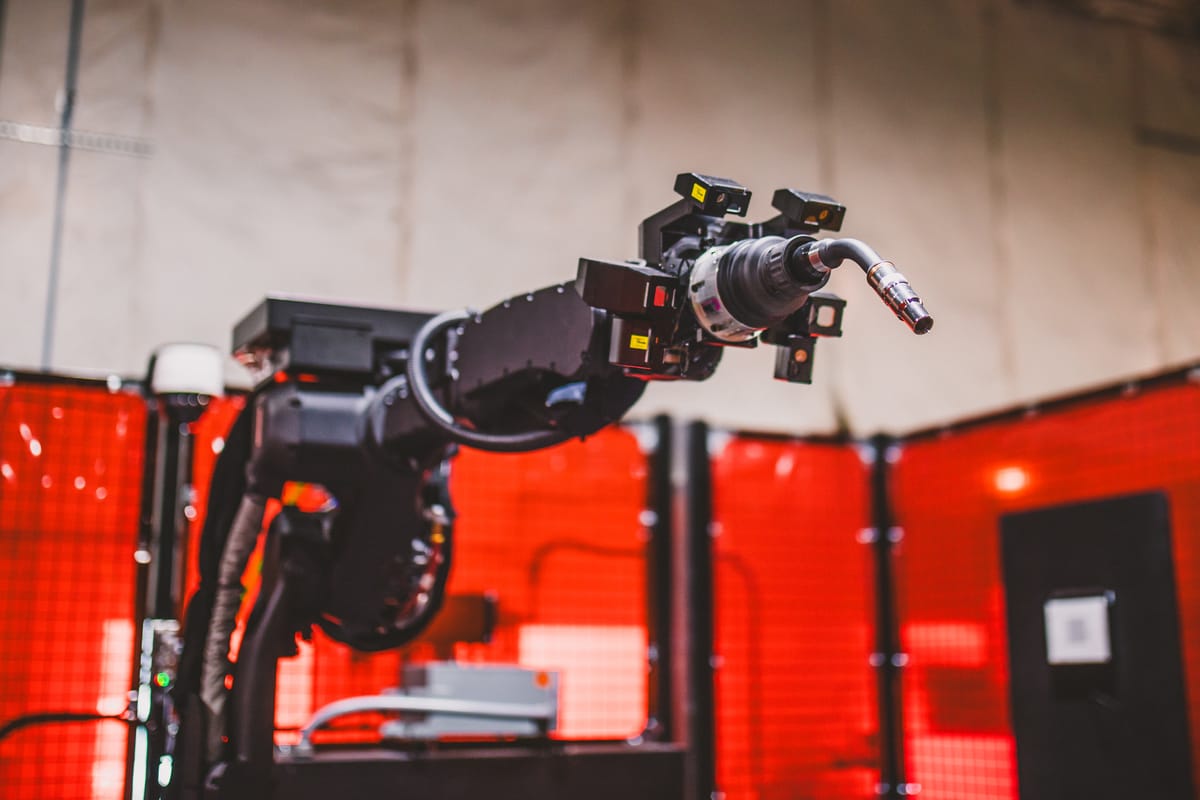
Path Robotics, the Columbus-founded company that builds AI-guided welding systems, is heading to the shipyard.
The startup announced a collaboration with Saronic, an Austin-based builder of autonomous naval vessels, to integrate its robotic welding technology at Saronic's facility in Franklin, Louisiana. The initial work will center on "intelligent welding cells" that pair Path's AI models with Saronic's existing welding team.
It's a notable step for Path into defense-adjacent manufacturing — and a deal that puts Columbus-developed technology at the center of a growing push to modernize U.S. ship production.
The details
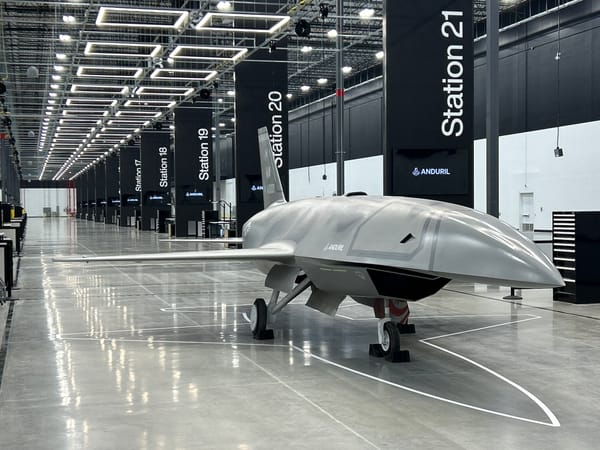
Saronic is building unmanned surface vessels and expanding its shipyard footprint in Louisiana. The company has taken what it calls a "software-led" approach to shipbuilding, treating production more like a systems problem than a traditional craft operation.
Path's technology fits that model. Its robotic welding arms use computer vision and machine learning to handle variable, complex welds — the kind of work that typically requires experienced human welders and is difficult to automate with conventional robotics. Path says its systems have been trained on tens of millions of welded inches.
The companies describe the initial rollout as focused on efficiency, quality, and repeatability. John Morgan, Saronic's head of manufacturing, said that the "collaboration allows us to learn how Path's technology can be applied within our shipbuilding environments and scaled to support a more modern, resilient production model.”
Why it matters
The collaboration feeds into a broader conversation around U.S. shipbuilding capacity and a larger skilled trades shortage. Domestic yards have faced persistent pressure to increase throughput, and demand for skilled welders continues to outpace supply. And, by 2030, Path is predicting a shortage of 600,000 welders in America. "America’s shipyards are under immense pressure to deliver more capacity, faster, driving an increased demand for skilled welders," Path CEO Andy Lonsberry said.
For Path, the deal extends its reach beyond general heavy manufacturing into a sector with long production cycles and significant government interest. For Saronic, it's a test case: the company plans to use what it learns in Louisiana to inform the design of Port Alpha, a planned next-generation shipyard built around automation from the outset.
The Ohio opportunity
Path Robotics was founded in Columbus in 2018 and has raised significant venture capital, including a $100 million Series D round in 2024, to develop its platform. While the welding work is happening on the Gulf Coast, the underlying AI — the vision systems, the machine learning models, the software stack — is an Ohio product.
The deal is a concrete example of Columbus-area robotics and AI technology being applied in sectors well beyond the region's own industrial base.