Inside Arsenal-1: Anduril's Ohio mega-factory goes live in days (PHOTOS)
Months ahead of its July target, Arsenal-1 in Pickaway County is open and ready for production. The billion-dollar mega-factory will begin assembling autonomous combat drones in a matter of days, with 4,000 jobs and a $2B economic impact on the horizon.

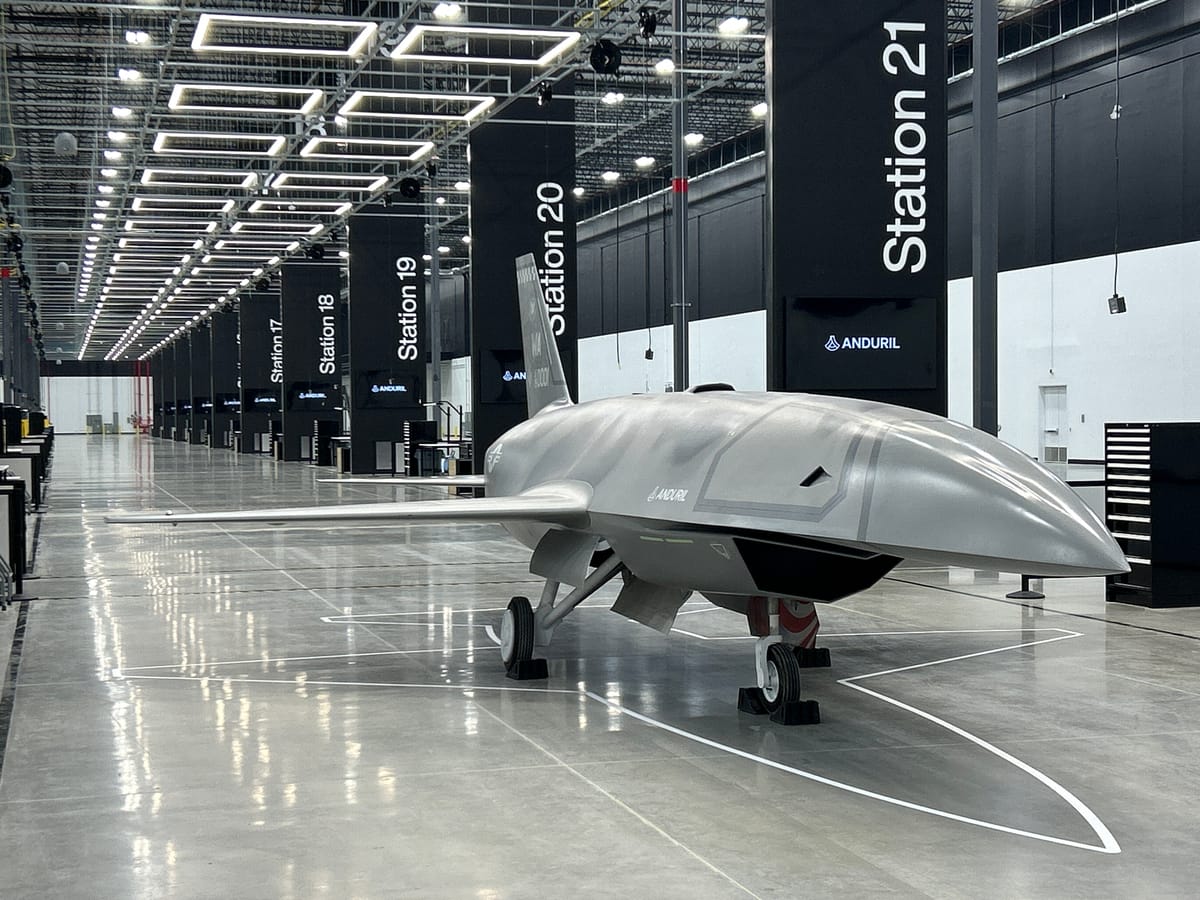
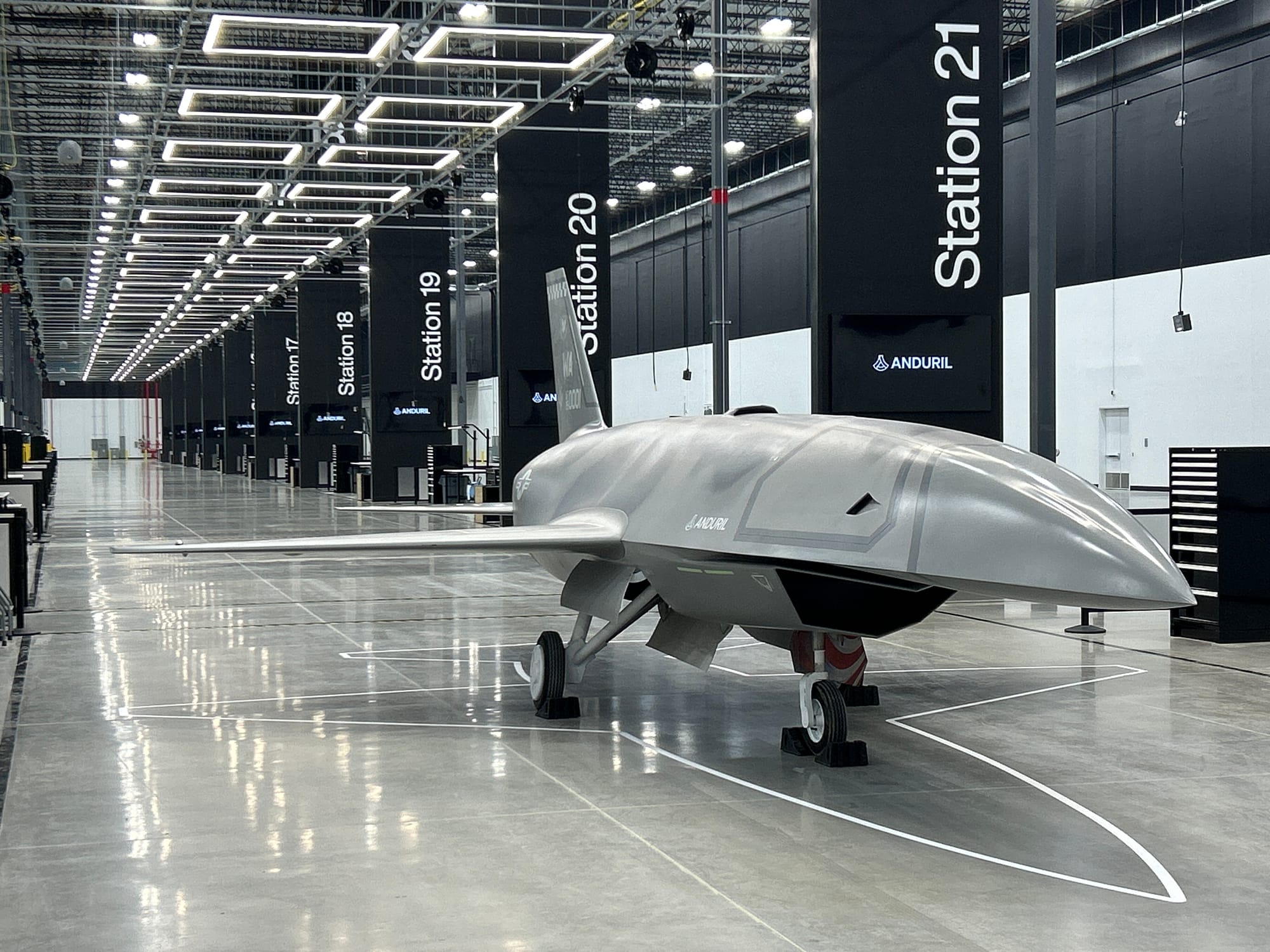
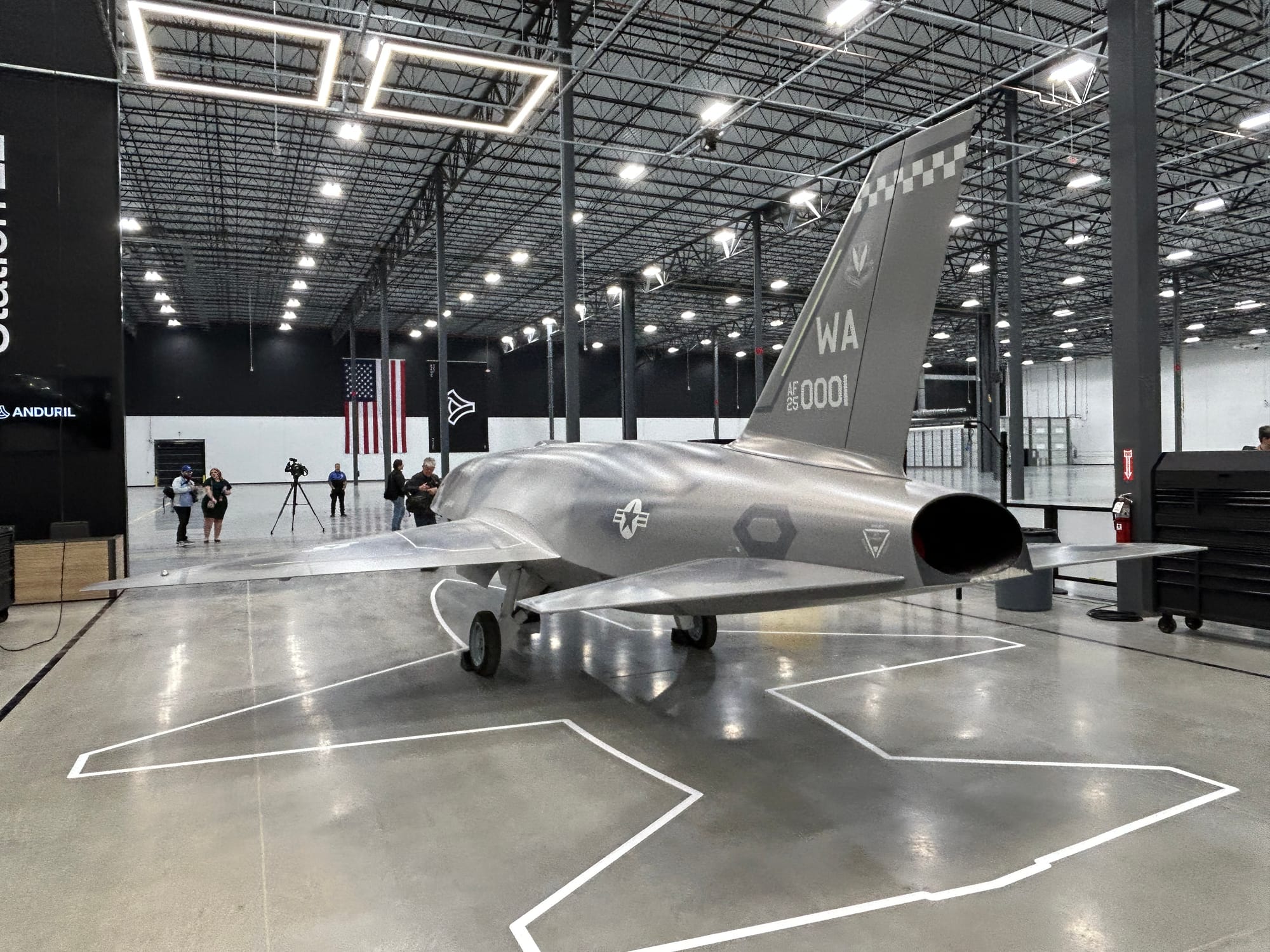
Anduril Industries has opened its massive Arsenal-1 manufacturing facility in Pickaway County and will begin building its Fury combat drone by the end of March — months ahead of schedule.
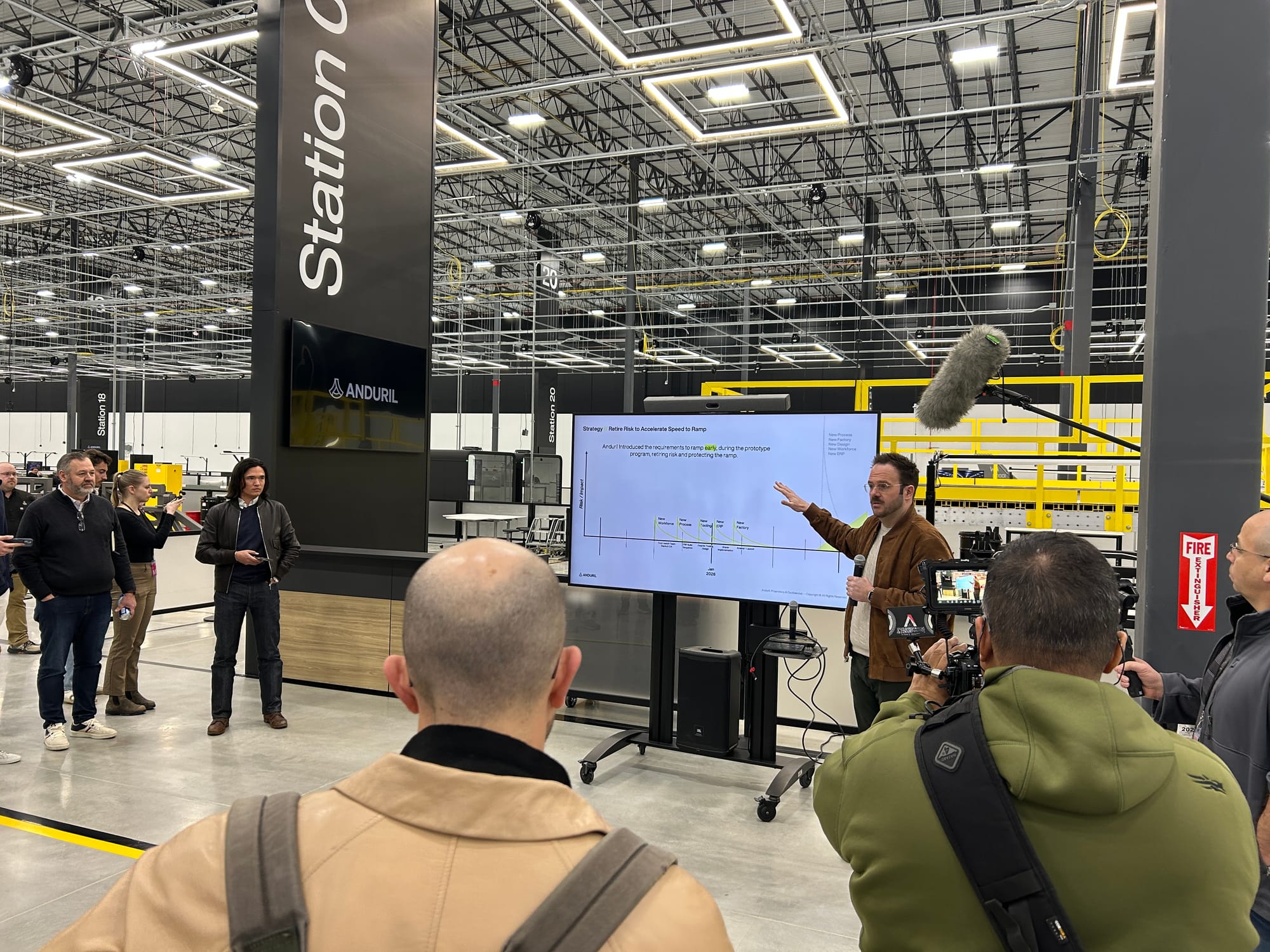
Anduril's co-founder and chief operating officer Matthew Grimm said the project is running both ahead of schedule and under budget, calling that a rarity in the defense business. The original target was July 2026.
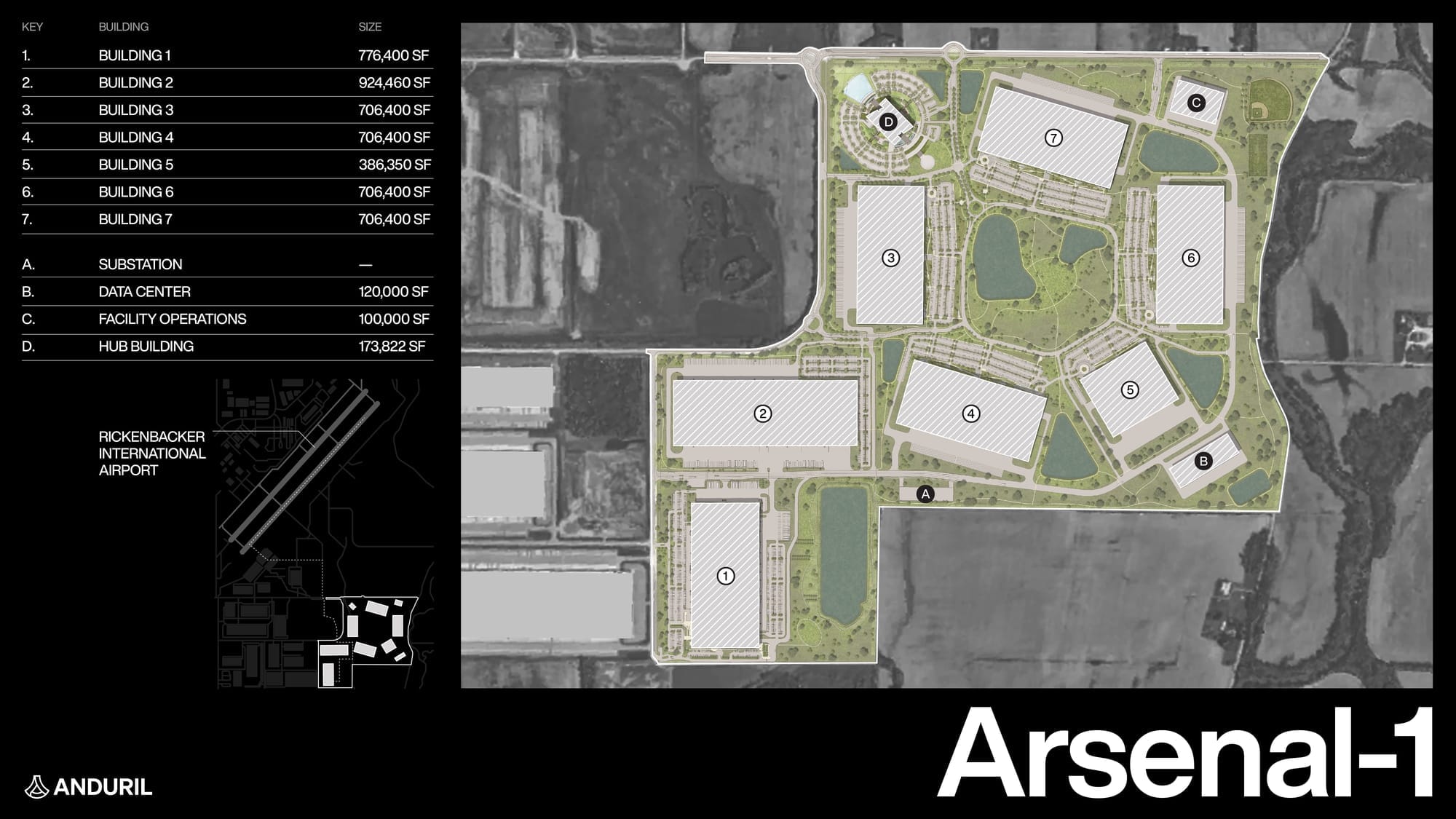
Arsenal-1 is a hyperscale defense manufacturing campus about 20 miles south of Columbus, near Rickenbacker International Airport, designed to produce AI-enabled autonomous aircraft and weapons systems at scale. When fully built out, it will be the largest single job-creation project in Ohio history, according to JobsOhio.
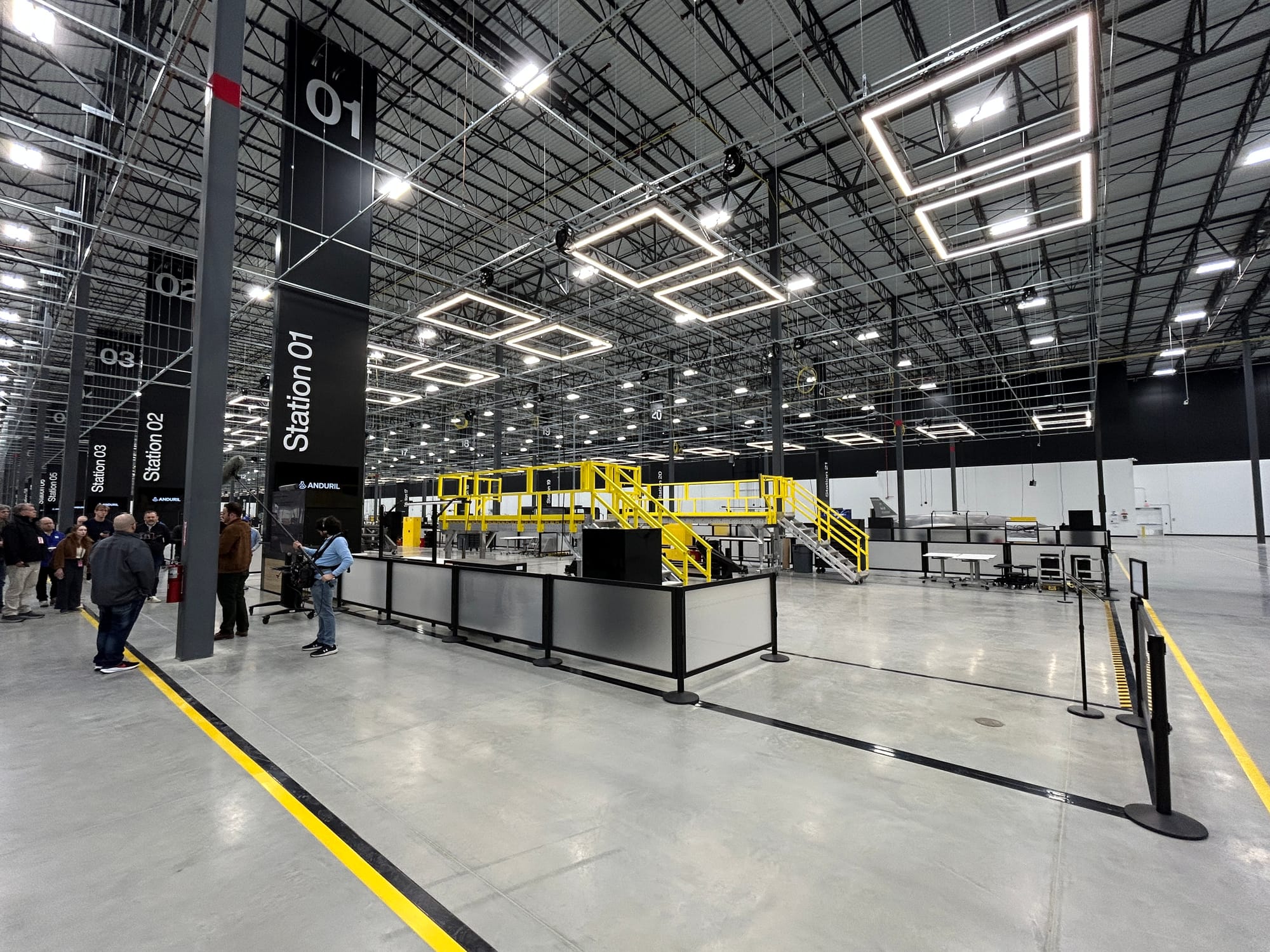
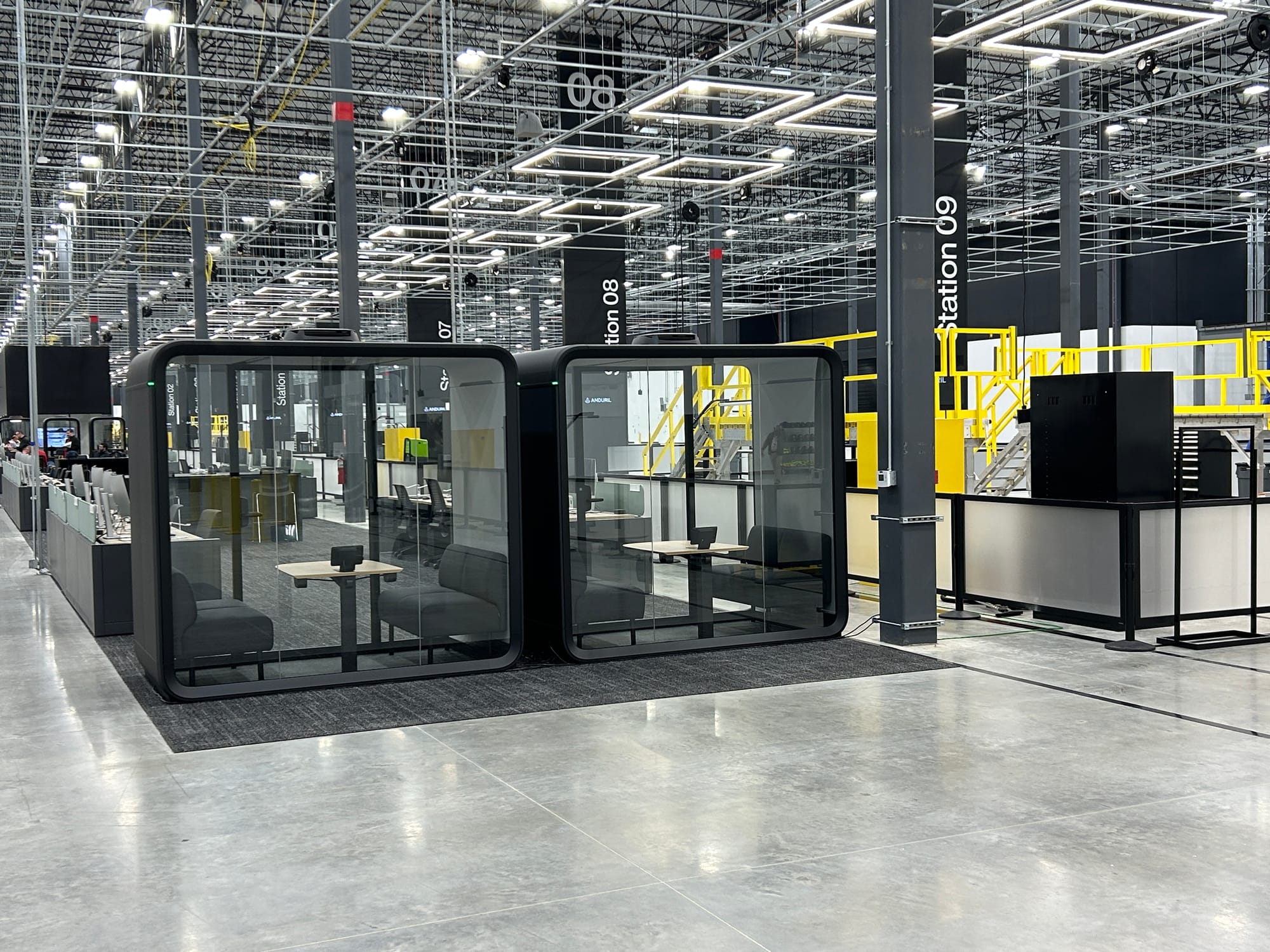
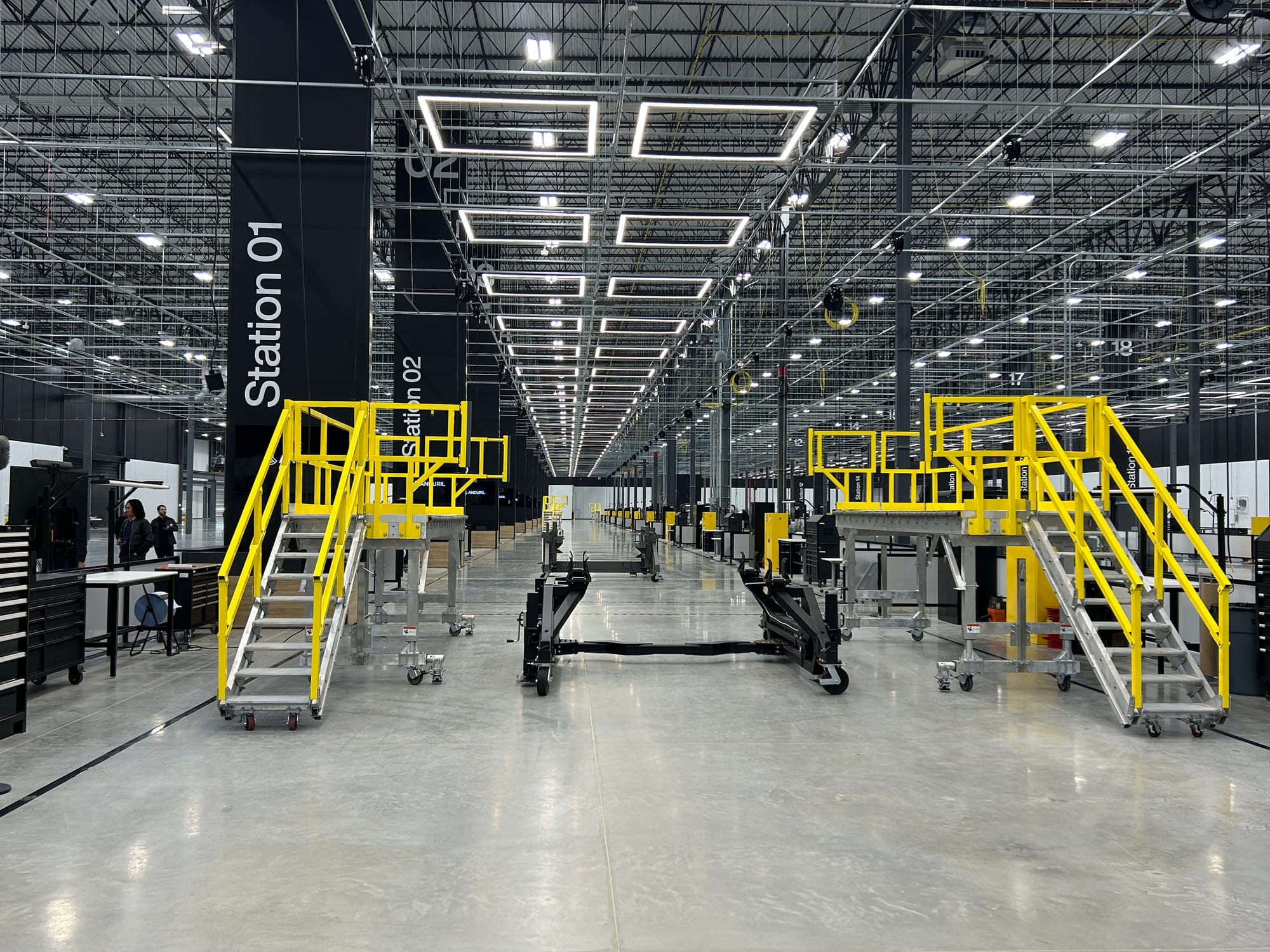
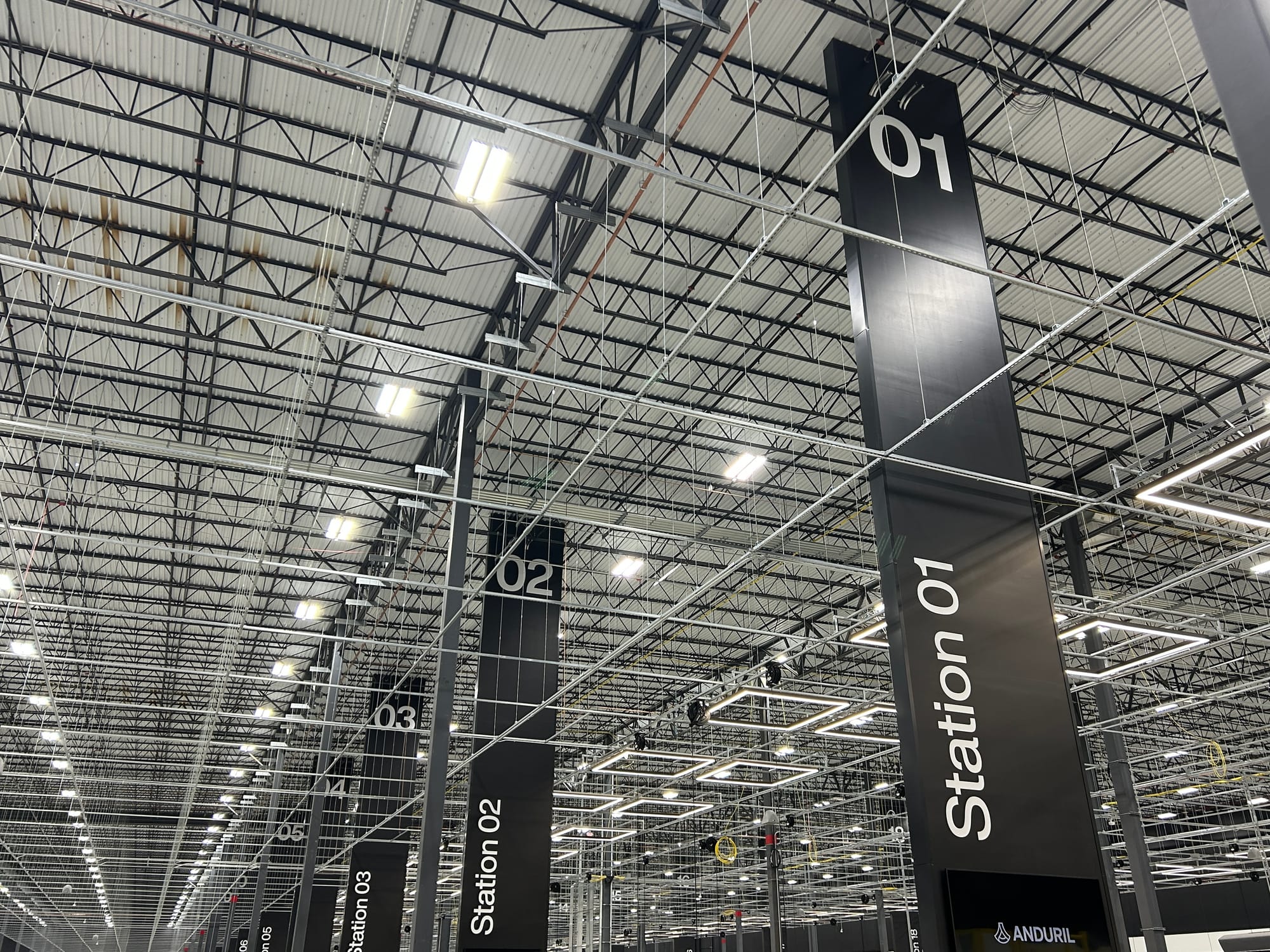
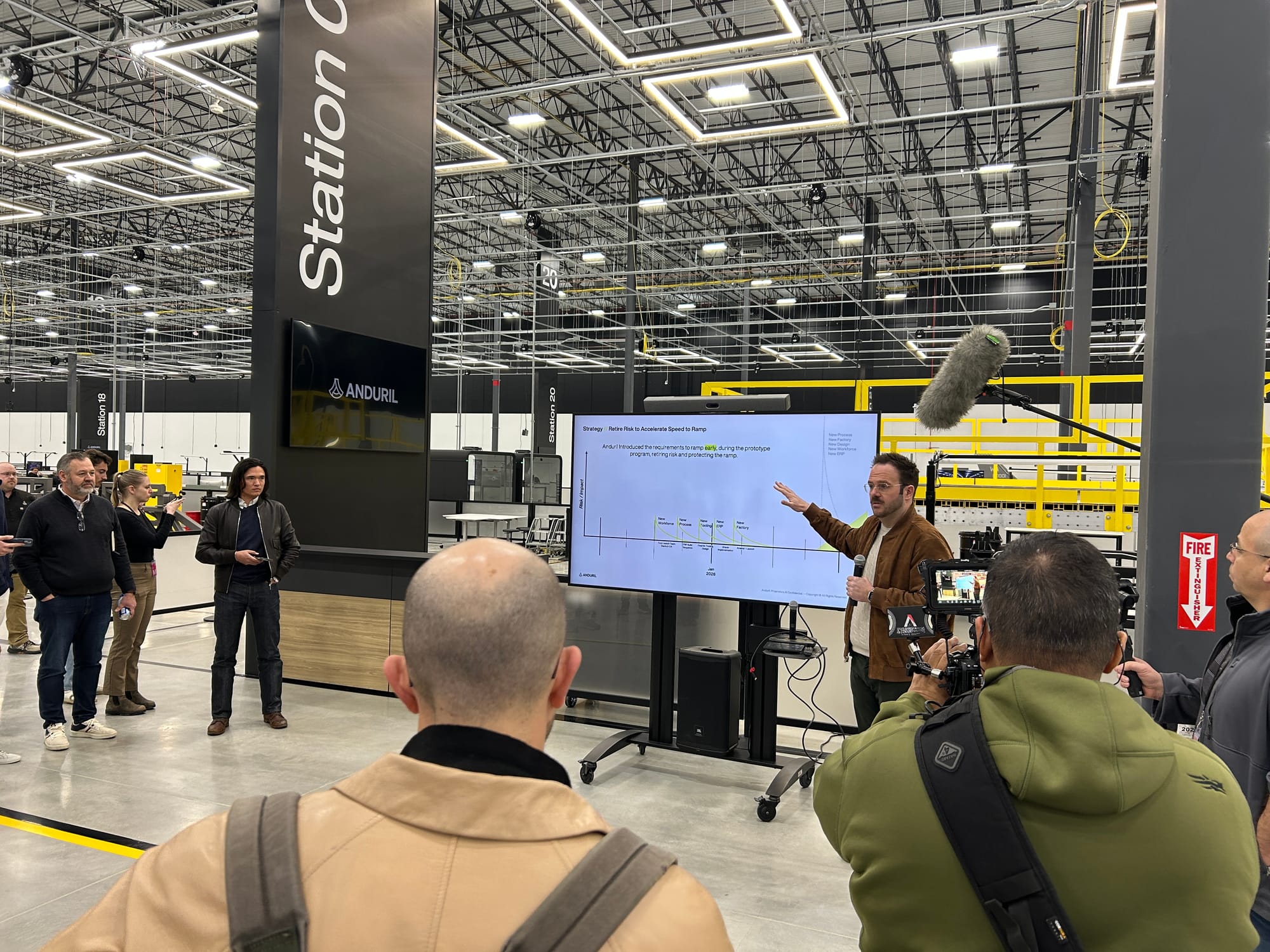
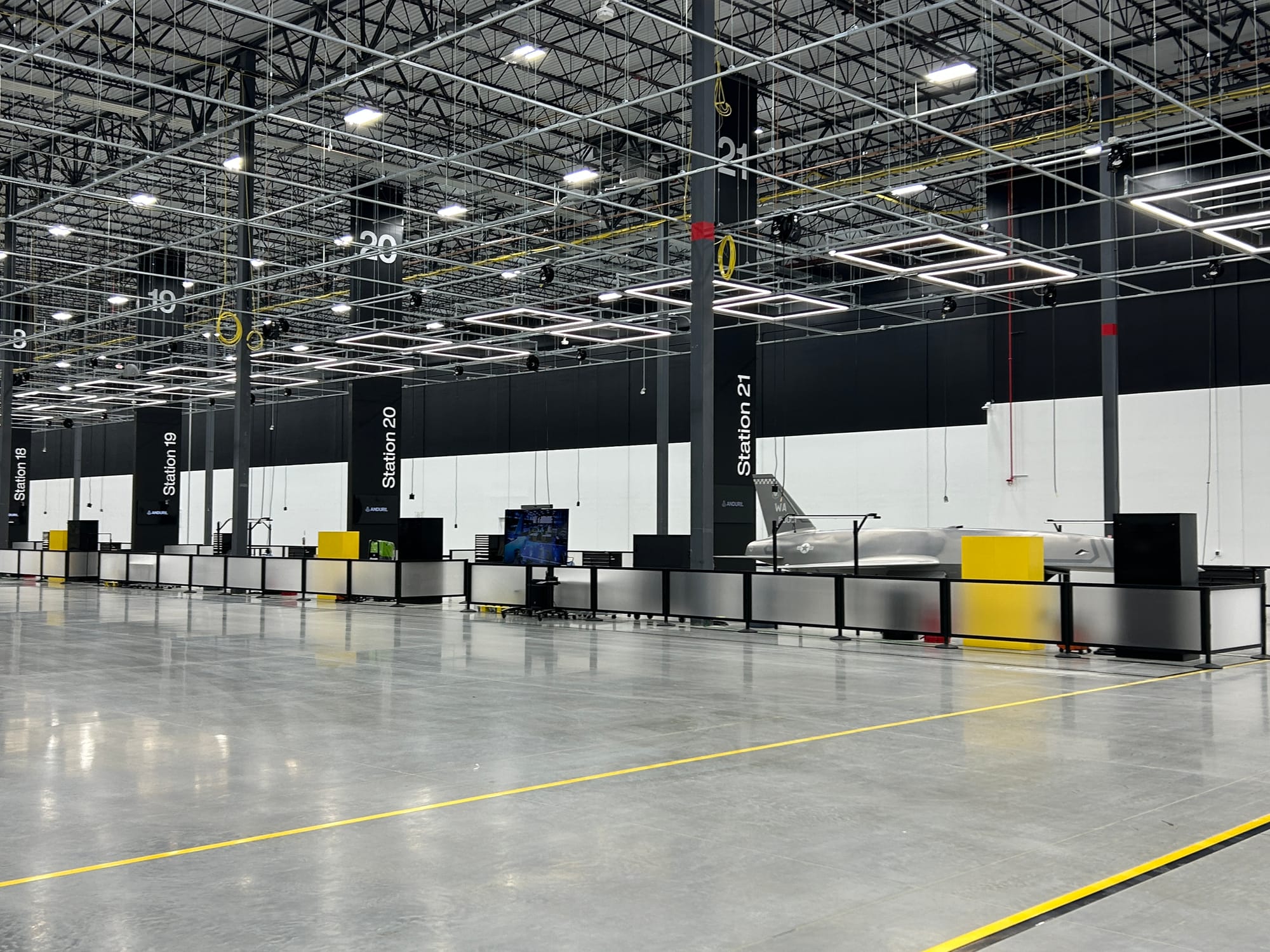
Ohio Tech News toured the facility this week. What we saw was a factory floor built for speed — not just in the aircraft it produces, but in how fast the facility itself went from dirt to production-ready.
Closing the gap between prototype and production
The defense industry has long struggled with what insiders call the "valley of death" — the gap between a successful prototype and mass production. Arsenal-1 is Anduril's answer, and the pace of this project is itself the proof of concept.
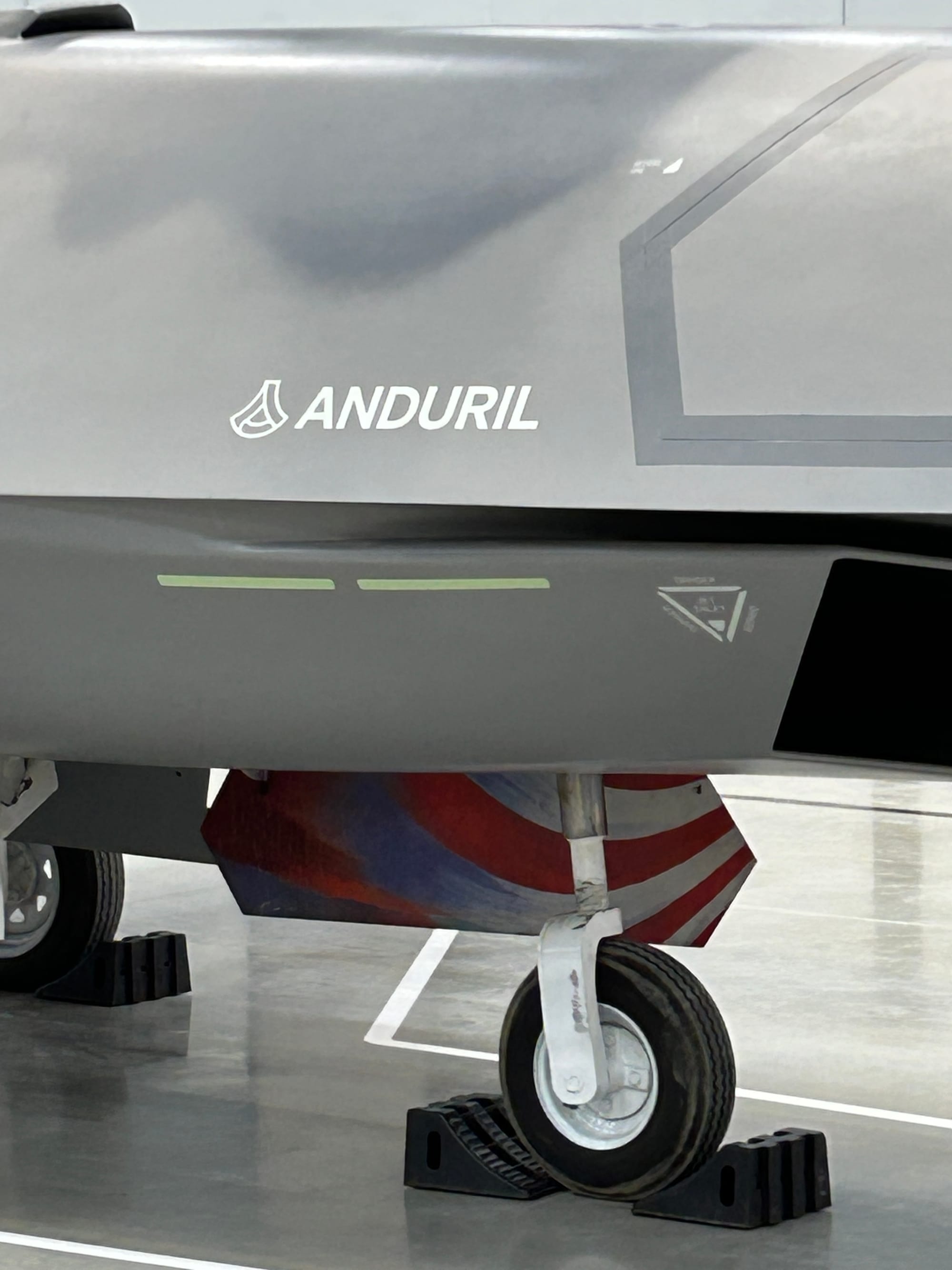
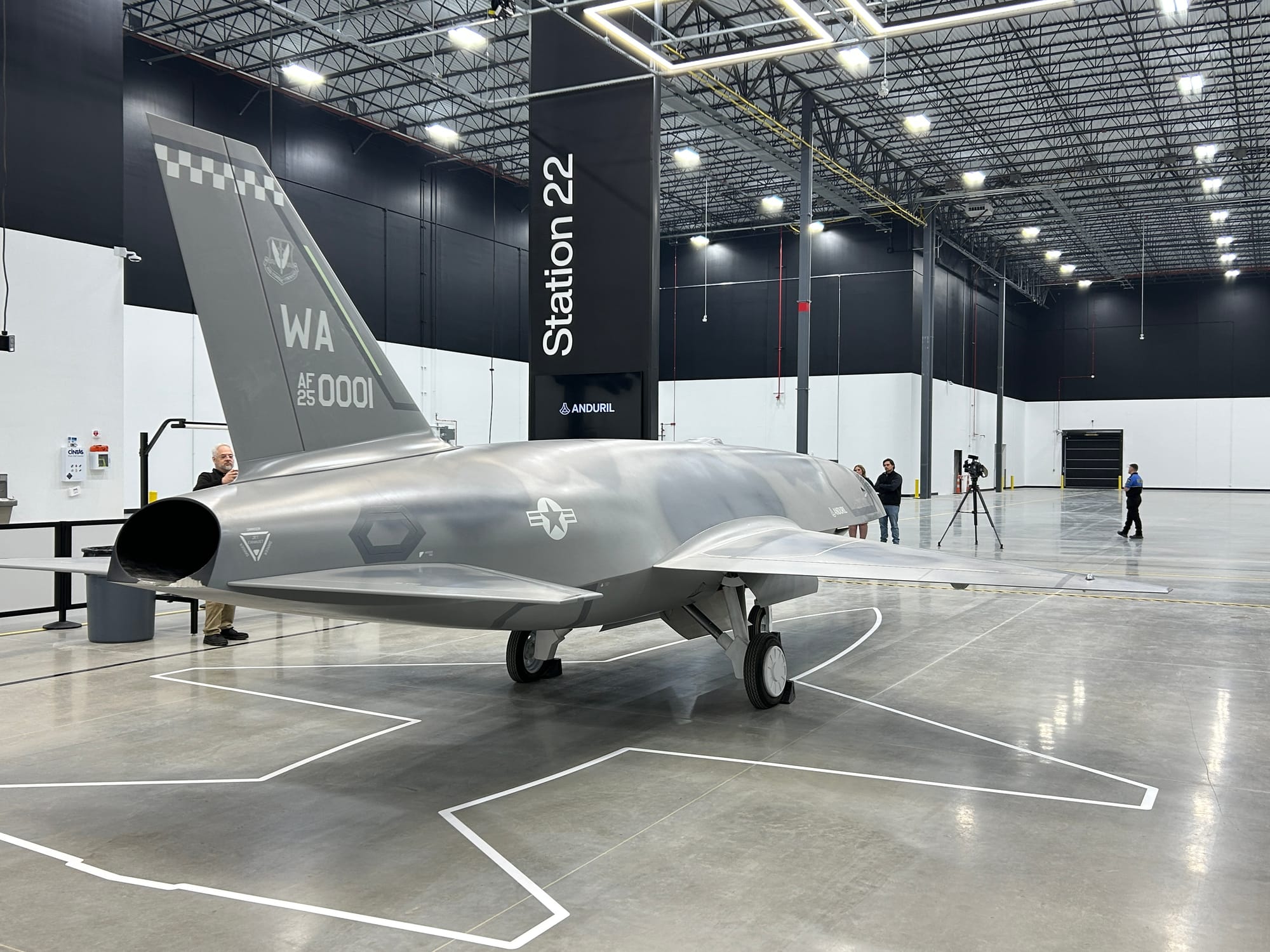
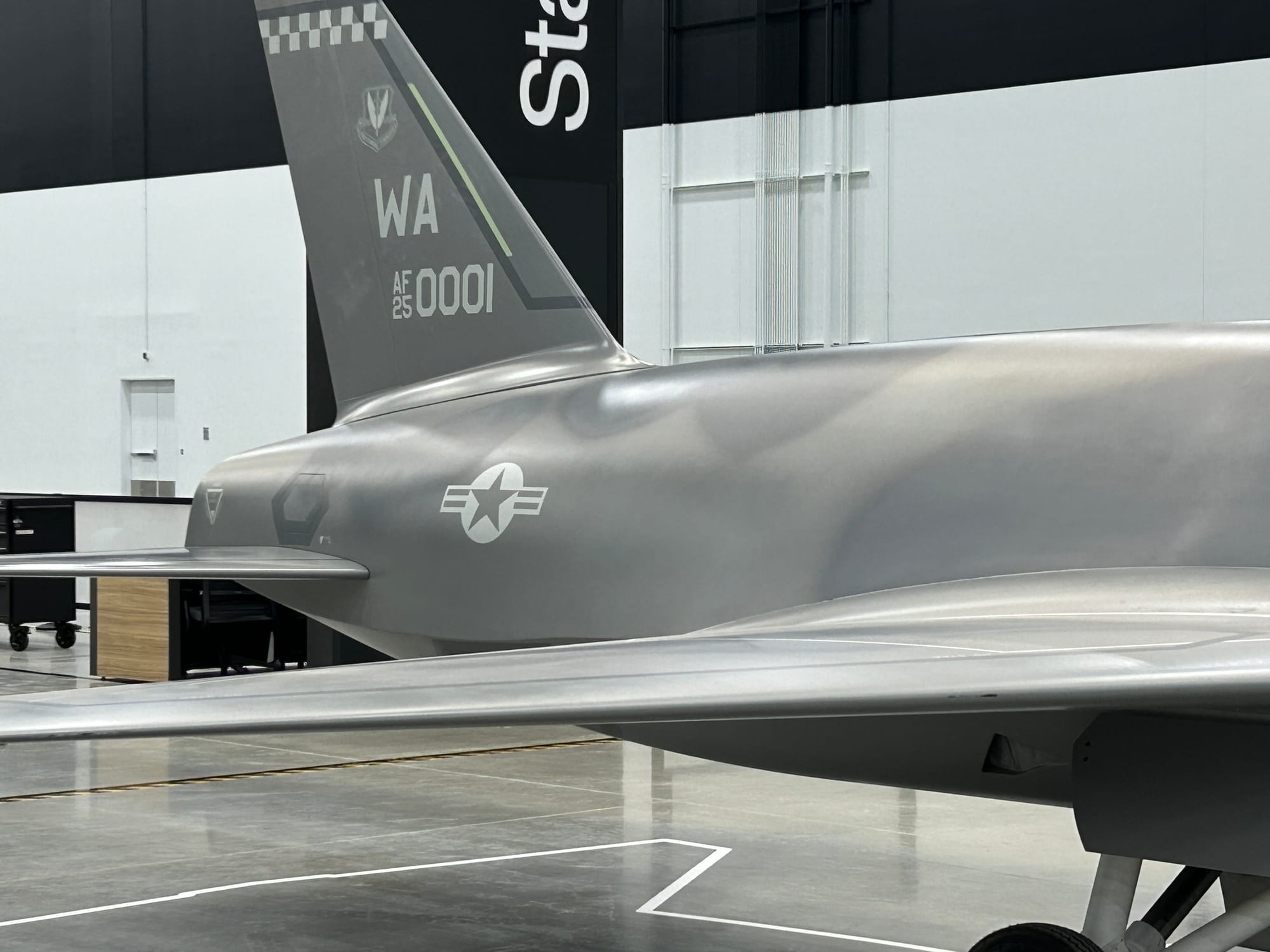
The YFQ-44A Fury, a jet-powered semi-autonomous drone designed to fly alongside crewed fighter jets as part of the U.S. Air Force's Collaborative Combat Aircraft program, went from a clean-sheet design to a fully built, flight-tested aircraft in 365 days. Its first flight took place on October 31, 2025. Now, less than five months later, a production line in Ohio is ready to start building them in volume.
But Fury is just the beginning. During the tour, Anduril confirmed that its Roadrunner interceptor drone, Barracuda cruise missile family, and a classified program will all be produced at Arsenal-1 — in some cases on the same floor, with the same workforce, reconfiguring quickly as demand shifts.
Grimm put it plainly: the production line can be configured "in days and weeks, not months and years."
At the heart of the operation is Arsenal OS, its integrated digital platform — a software layer that links design to mass production and allows common commercial machinery to build vastly different autonomous systems. In practice, that means a line producing Fury airframes can be swapped to Roadrunner or Barracuda with minimal reprogramming. That modularity is what makes it possible to run multiple programs off the same assembly line.
Commercial parts, Ohio supply chains
One of the most consequential details we observed on the tour is Anduril's supply chain strategy — and what it could mean for Ohio businesses.
Nearly 90% of Anduril's products can be made with commercially available components and materials. The Fury's jet engine, for example, is a commercial turbine like those found in private jets, bought off the open market, not custom-built through a decade-long defense procurement cycle. Across its programs, the company draws from more than 6,000 suppliers worldwide.
That approach does two things. First, it keeps costs down and avoids the bottlenecks that plague traditional defense procurement, where a single proprietary vendor can hold up an entire program. Second, it opens the door for the state's existing industrial base to plug directly into Anduril's supply chain. Companies already making parts for automotive, aerospace, or commercial aviation could find new defense revenue without retooling.
Grimm noted the company is even investing in upstream suppliers, including mines and refineries, to secure access to the raw materials those suppliers need.
A workforce that already exists
The use of commercial parts also reshapes who can work on Arsenal-1's production floor. Because the facility uses technology and materials already common in other industries, Anduril can recruit workers from automotive manufacturing, consumer electronics, and commercial aerospace — sectors Ohio already has deep talent pools in.
Grimm said this significantly shortens the time from hire to productive assembly-line work. The production floor we walked was intentionally human-driven. Aircraft frames will be moved by hand through production stations rather than by automated systems, an approach the company says allows for faster adjustments, scalability, and customization based on demand.
Anduril leaders drew parallels to World War II–era manufacturing, citing Ford's Willow Run plant, which once produced a B-24 bomber every 63 minutes. The difference now: a software-defined, modular production line that can pivot between multiple product families in the same facility.
The company is already connecting with local school districts, community colleges, and universities to build a pipeline of future workers.
Why Ohio — again
The decision to build Arsenal-1 in the Columbus region was a calculated play into Ohio's aerospace and manufacturing DNA. The site is close in proximity to Rickenbacker International Airport which provides direct access to two 12,000-foot runways and a 75-acre private apron capable of handling military-scale aircraft. Ohio ranks third in the nation for Air Force civilian employees and manufacturing workforce, and the region surrounding Wright-Patterson Air Force Base offers a talent bench that already understands the stakes of national security.
When asked about the importance of Ohio's role and the quality of its workforce on the tour, Anduril's Brian Flynn kept it simple: "Ohio provides that."
A billion-dollar bet, taking shape fast
The investment behind Arsenal-1 represents more than $900 million in direct spending, with 4,000 direct jobs promised and a total expected economic impact of $2 billion for the state.
The campus will start with roughly 250 employees by the end of this year. Companywide, Anduril now employs around 7,500 people and is approaching 8,000. Meanwhile, up to 600 construction workers are expected to be part of the total campus build.
The full Arsenal-1 footprint will span seven buildings across 5 million square feet. Building one — the 775,000-square-foot production hall plus 120,000 square feet of office and support space — is what we toured this week. Active construction is visible across the rest of the campus, and the company is planning amenities designed to make Arsenal-1 a destination employer: an on-site gym, fresh food options, and on-site medical services to support the local workforce.
The bigger picture
Arsenal-1 arrives at a pivotal moment for Ohio's ambitions in advanced manufacturing and the larger trends of American re-industrialization. Anduril's project is a leading example of both state and national momentum — moving faster than promised, with secured federal contracts and state incentives already in place.
For Pickaway County, the Columbus region, and the state of Ohio, what matters right now is that those bets are being placed here — in a facility that didn't exist 14 months ago, already ahead of schedule, with Ohio workers preparing to build the aircraft that may define the next era of American defense.