Inside Arsenal-1: Anduril's massive Ohio plant taking shape—First jets ship this spring (photos)
One year after Palmer Luckey promised to bring "hyperscale" defense manufacturing to central Ohio, the vision is becoming concrete reality. Arsenal-1's first autonomous jets will roll off the line by Q2—a timeline that would've been impossible just a decade ago.

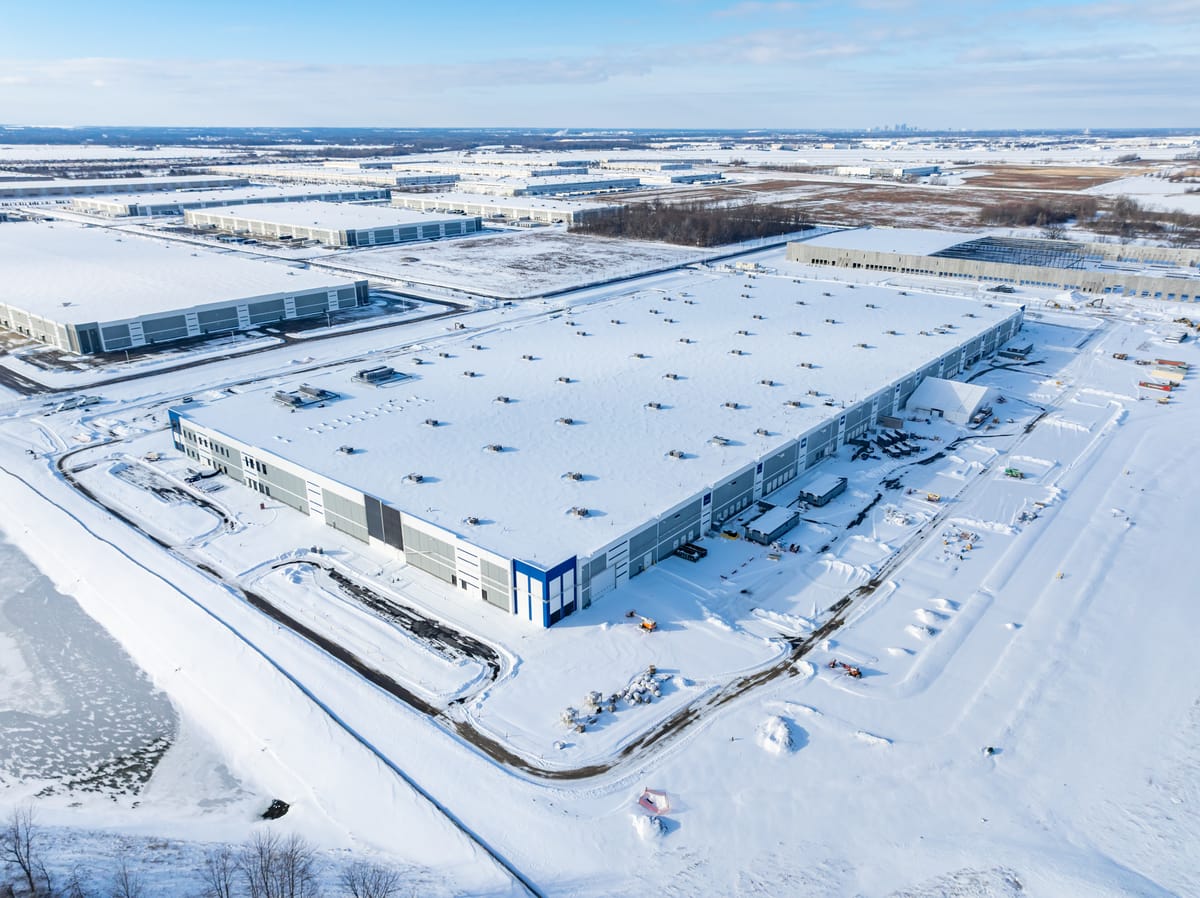
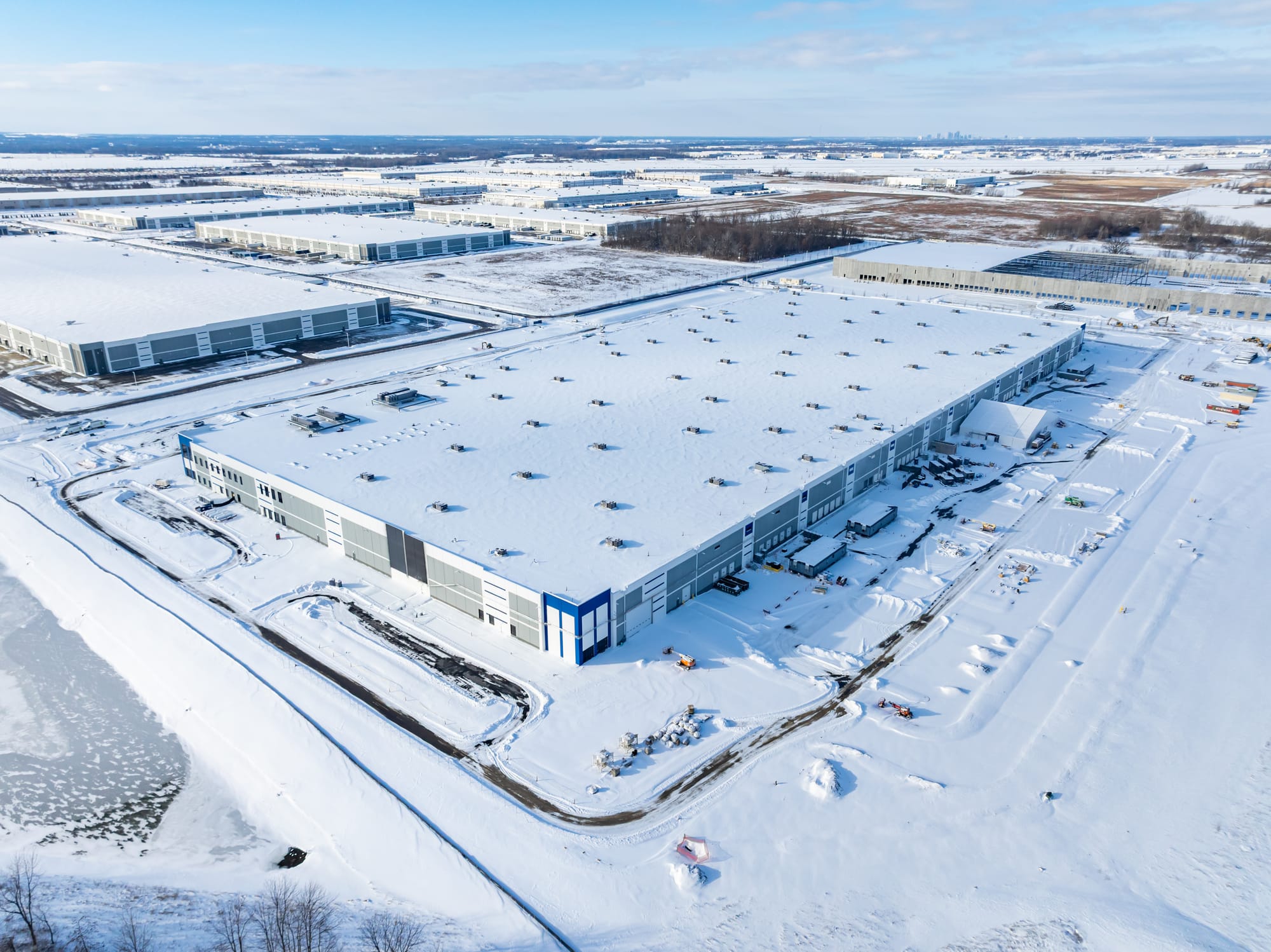
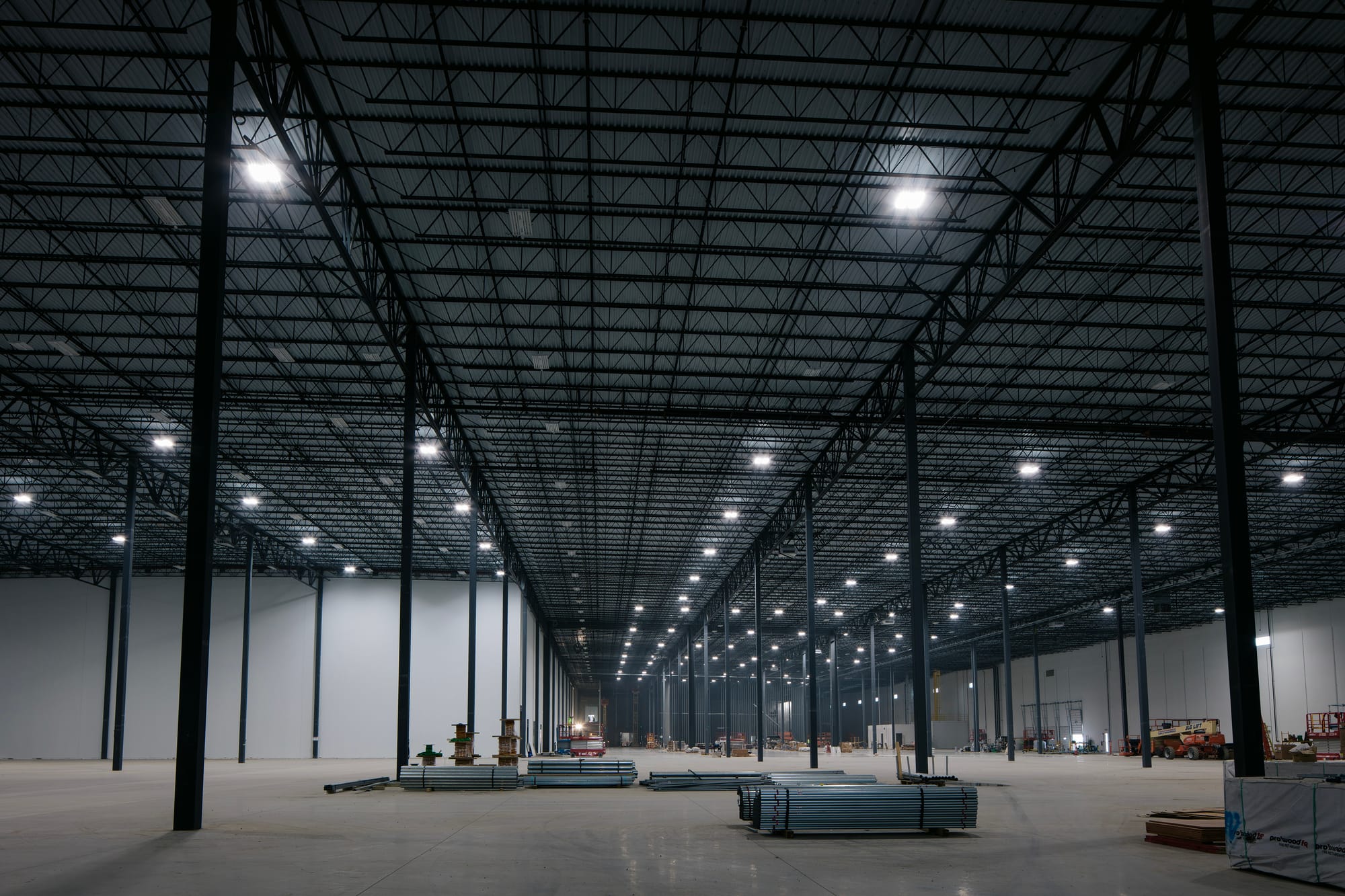
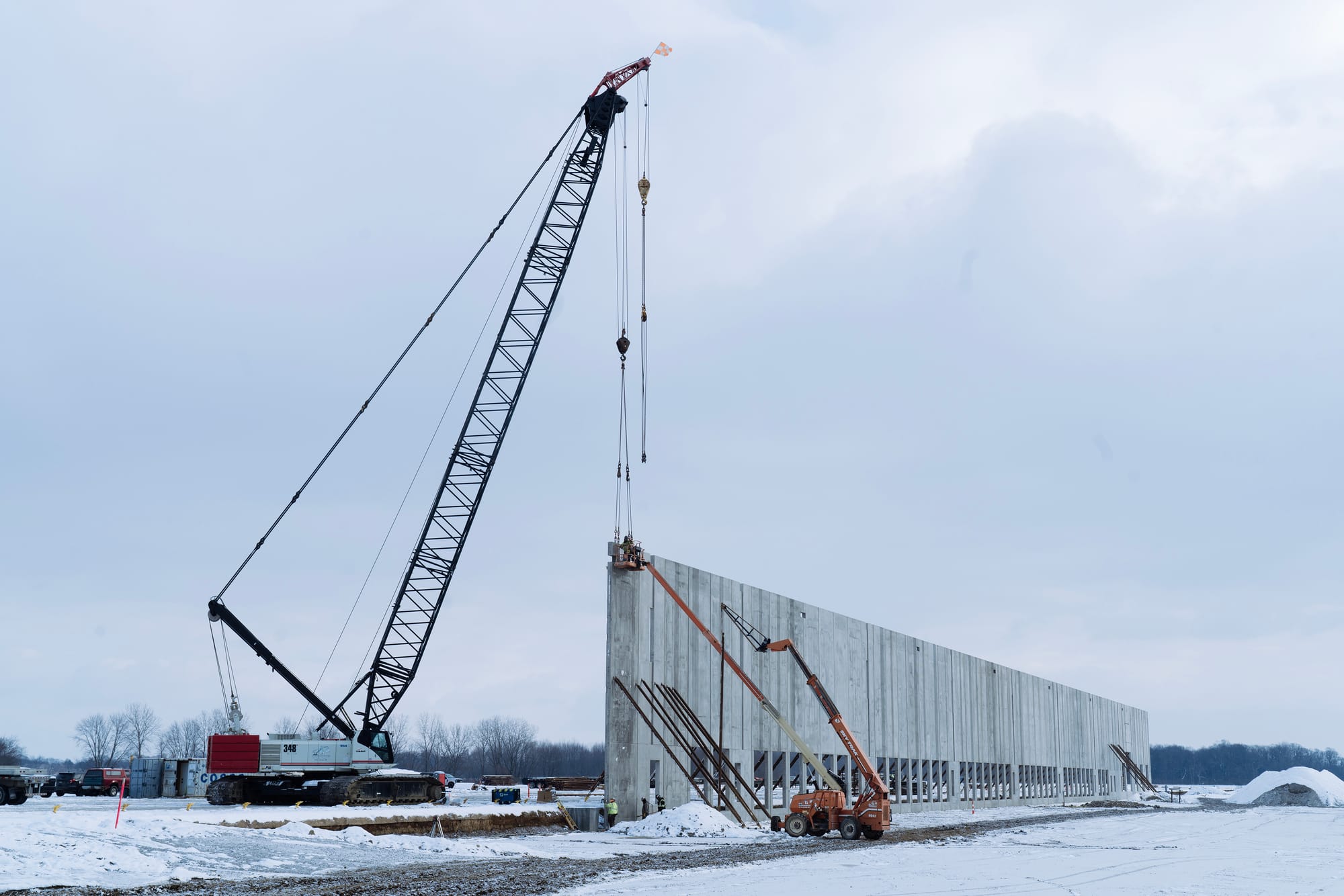
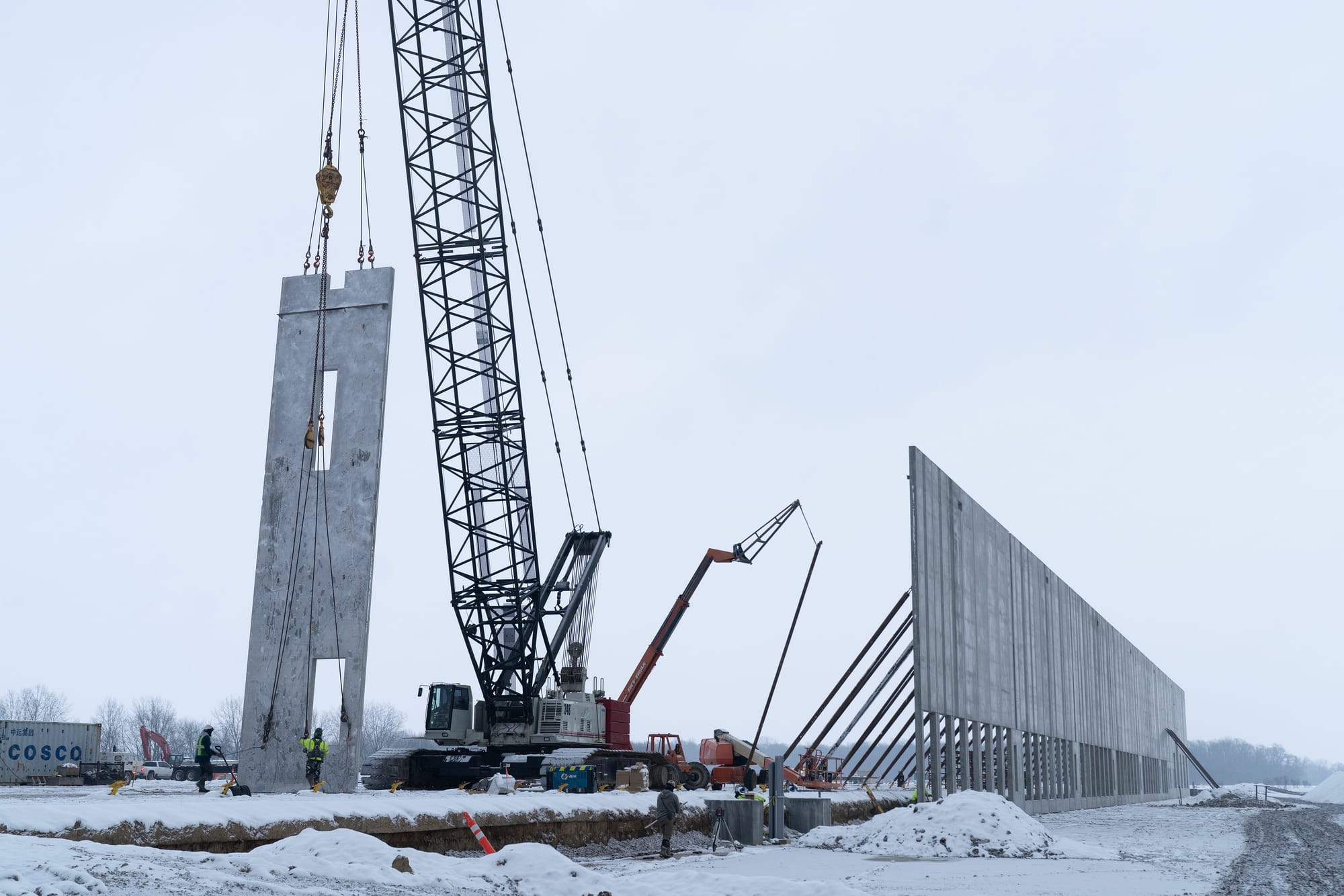
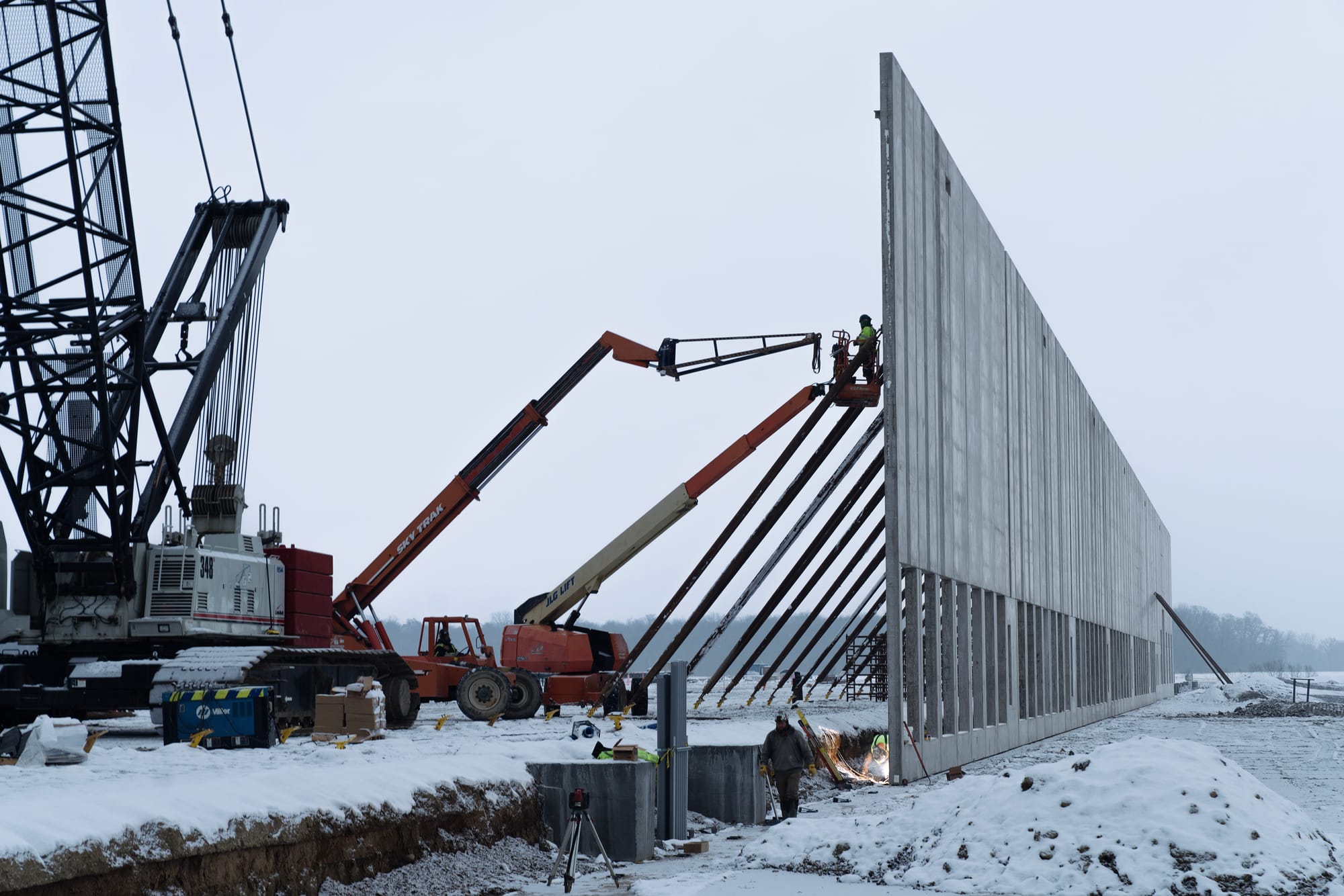
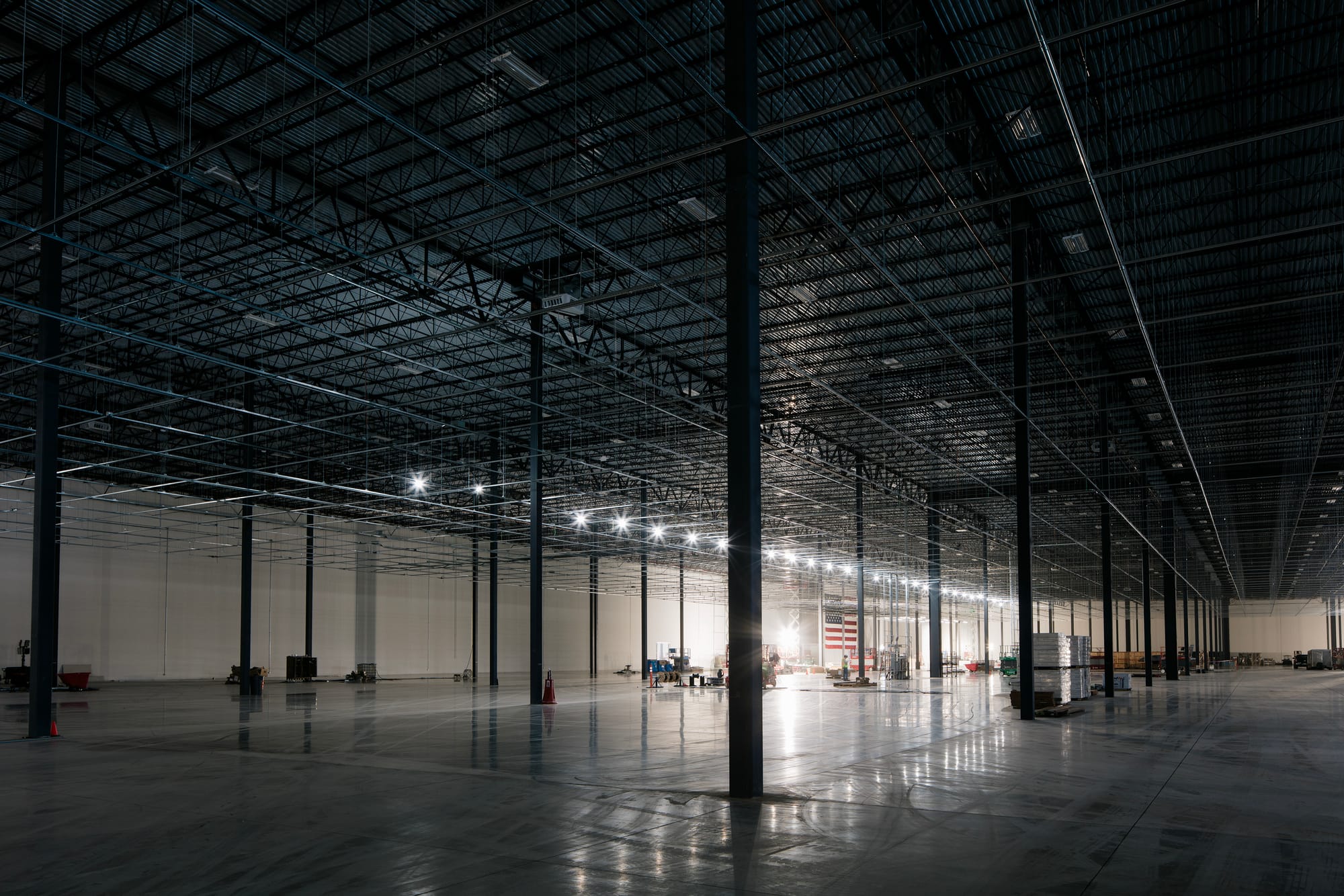
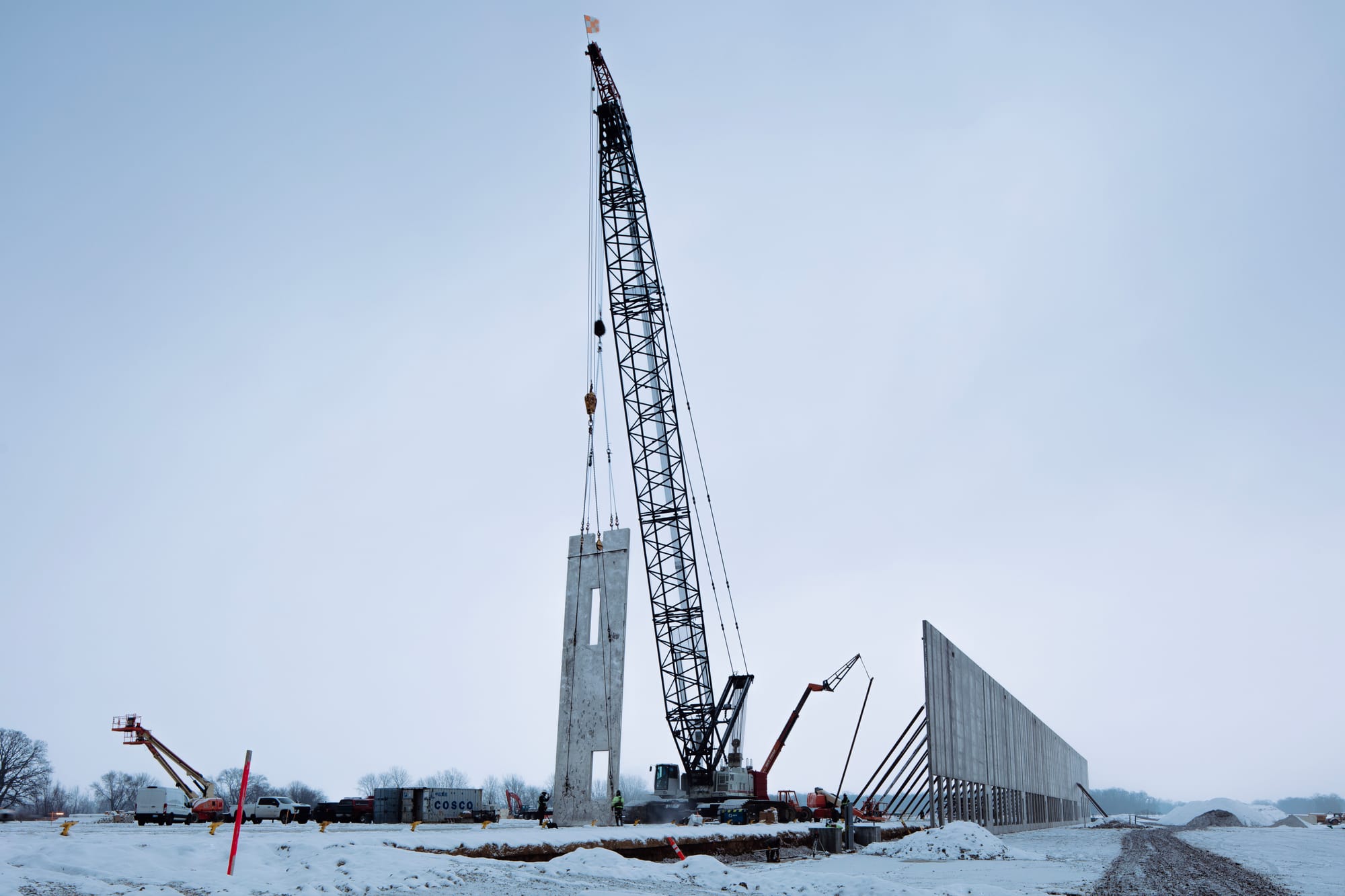
One year ago, Anduril Industries founder Palmer Luckey stood in central Ohio and made a nearly $1 billion promise: to build a "hyperscale" manufacturing campus that would do for defense what Henry Ford did for the automobile. Today, that vision—Arsenal-1—is no longer a theoretical rendering. It's a massive construction site where the walls of Building 1 are rising.
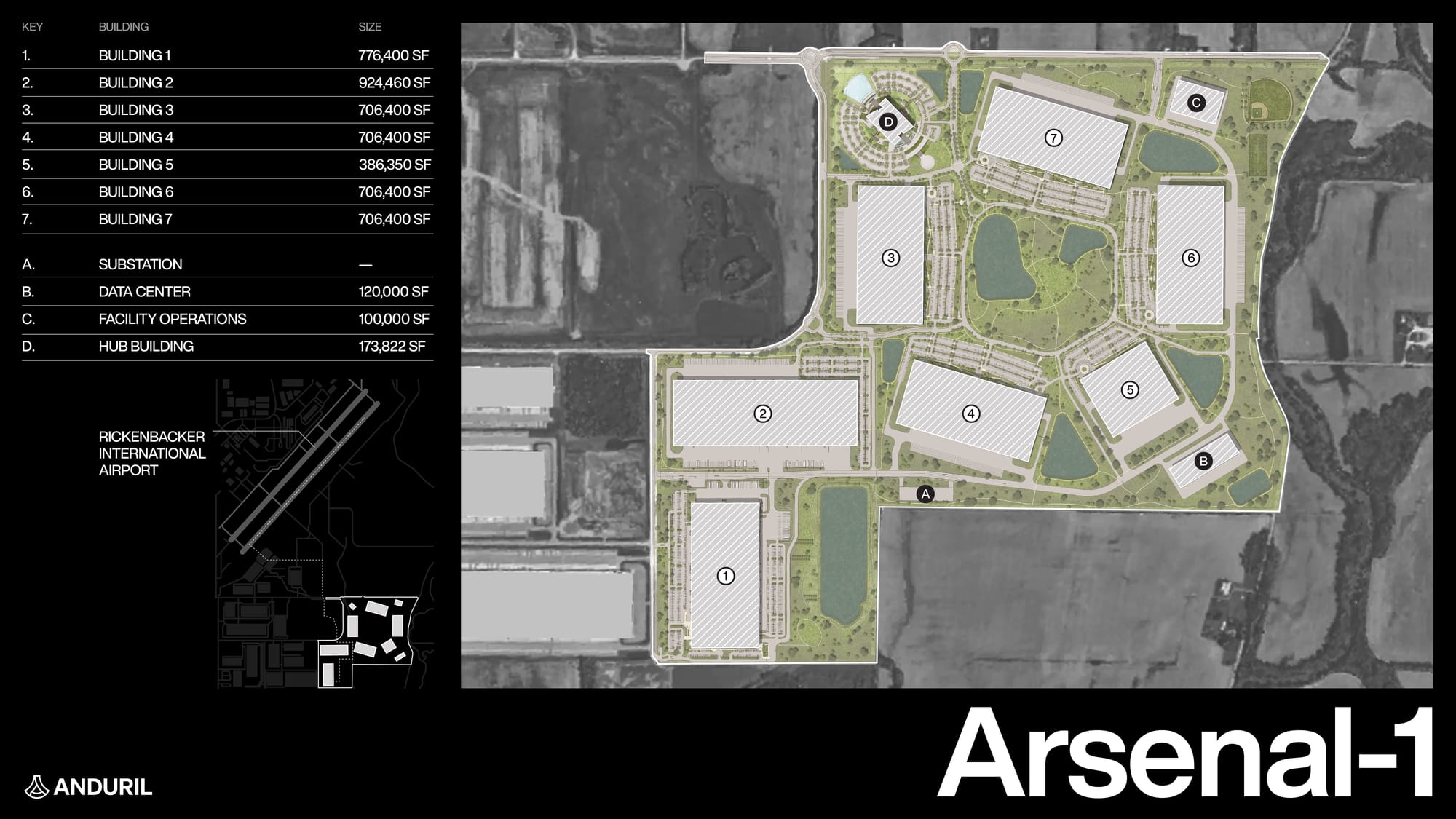
When Anduril first announced its selection of the 500-acre site near Rickenbacker International Airport in January 2025, the company framed it as a "monumental step" toward rebuilding the American defense industrial base. Twelve months later, the project is moving at the "software speed" the company is known for, with production of its first autonomous fighter jet, the YFQ-44A, slated to begin by the second quarter of 2026.
Breaking the defense 'Valley of Death'
The defense industry has long been plagued by the "valley of death"—the gap between a successful prototype and mass production. Arsenal-1 is Anduril's answer. Unlike traditional defense plants designed for low-volume, handcrafted jets, this facility is "software-defined."
At the heart of the operation is Arsenal OS, an integrated digital platform that links design and mass production. The system allows the factory to use common commercial machinery to build vastly different autonomous systems—from underwater vehicles to the YFQ-44A fighter. This modularity is why Anduril was able to move the YFQ-44A from clean-sheet design to a fully built, flight-tested aircraft in just 365 days.
Why Ohio? A strategic marriage of tech and tradition
While Anduril is a California unicorn, the decision to build its primary manufacturing hub in the Columbus region was a calculated play into Ohio's aerospace nervous system:
- The Logistics Hub: The site’s proximity to Rickenbacker International Airport provides direct access to two 12,000-foot runways and a 75-acre private apron. This allows military-scale aircraft to be tested and delivered directly from the factory floor.
- The Talent Bench: Ohio ranks #3 in the nation for Air Force civilian employees and manufacturing workforce. By tapping into the region surrounding Wright-Patterson Air Force Base, Anduril is hiring a workforce that already understands the stakes of national security.
- The Workforce: The first 50 Ohio-based employees have already joined the team. A core group of 25 technical production leads recently returned to Central Ohio after months of training at Anduril’s California headquarters.
The Product: YFQ-44A 'Fury'
The first hardware to roll off the Ohio line will be the YFQ-44A, a variant of the "Fury" autonomous jet. Designed for the U.S. Air Force’s Collaborative Combat Aircraft (CCA) program, the jet is built for "affordable mass."
- Performance: Engineered to pull 9g maneuvers and reach speeds of Mach 0.95, it matches the performance of manned fifth-generation fighters like the F-35 at a fraction of the cost.
- Brainpower: The aircraft is powered by Lattice OS, which manages mission autonomy, allowing the jet to act as a semi-autonomous "loyal wingman" for human pilots.
What's next
By 2030, Arsenal-1 is projected to support 4,000 direct jobs, cementing its place as the largest employment project in Ohio’s history. But the true metric of success isn't headcount—it's output. Success means proving that a software-defined factory, built and operated by Ohioans with aviation in their DNA, can outpace an aging defense establishment. In Pickaway County, the mission is clear: demonstrate that the American industrial base can still iterate at the speed of relevance to secure air dominance for the next half-century.
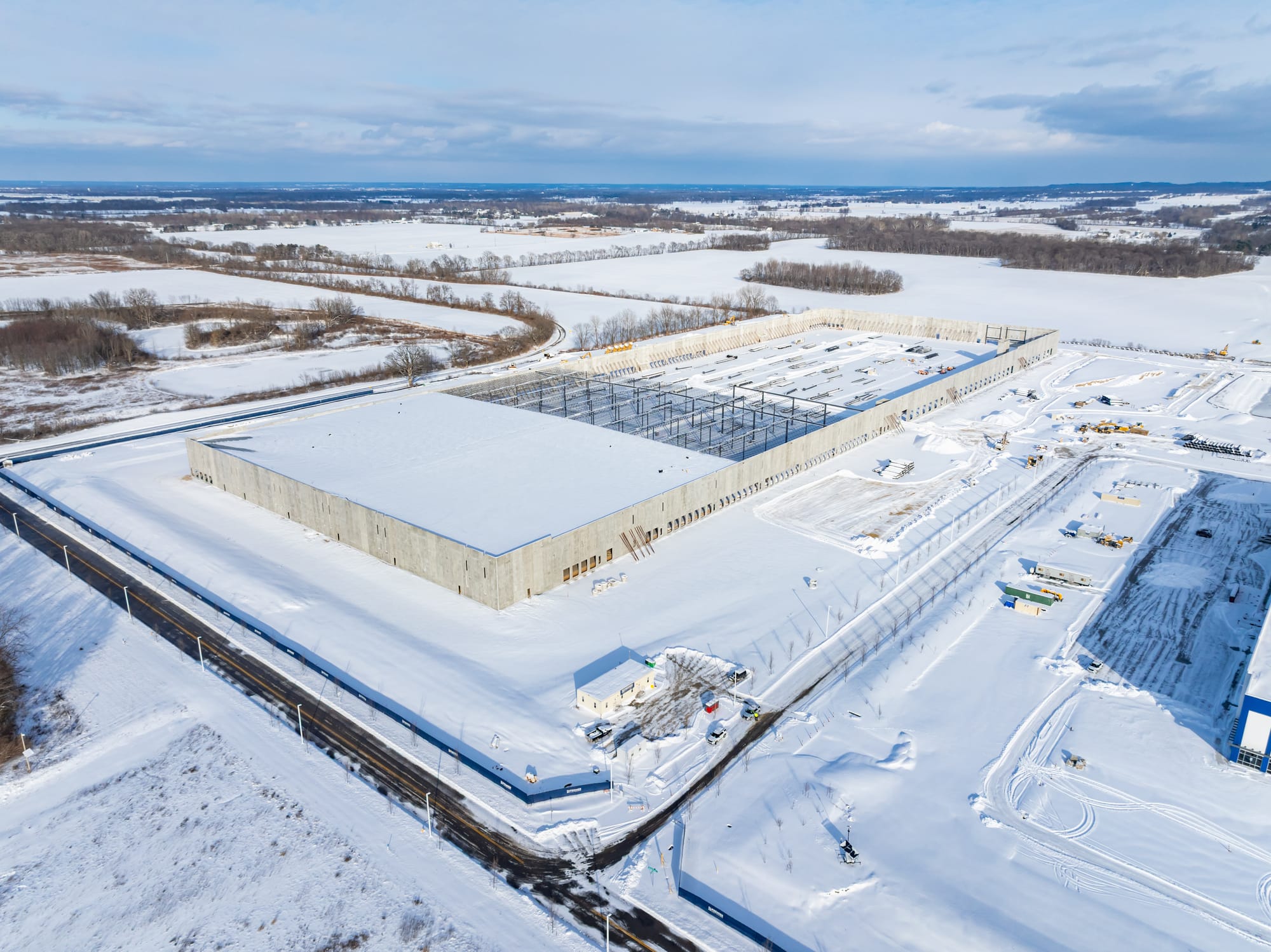
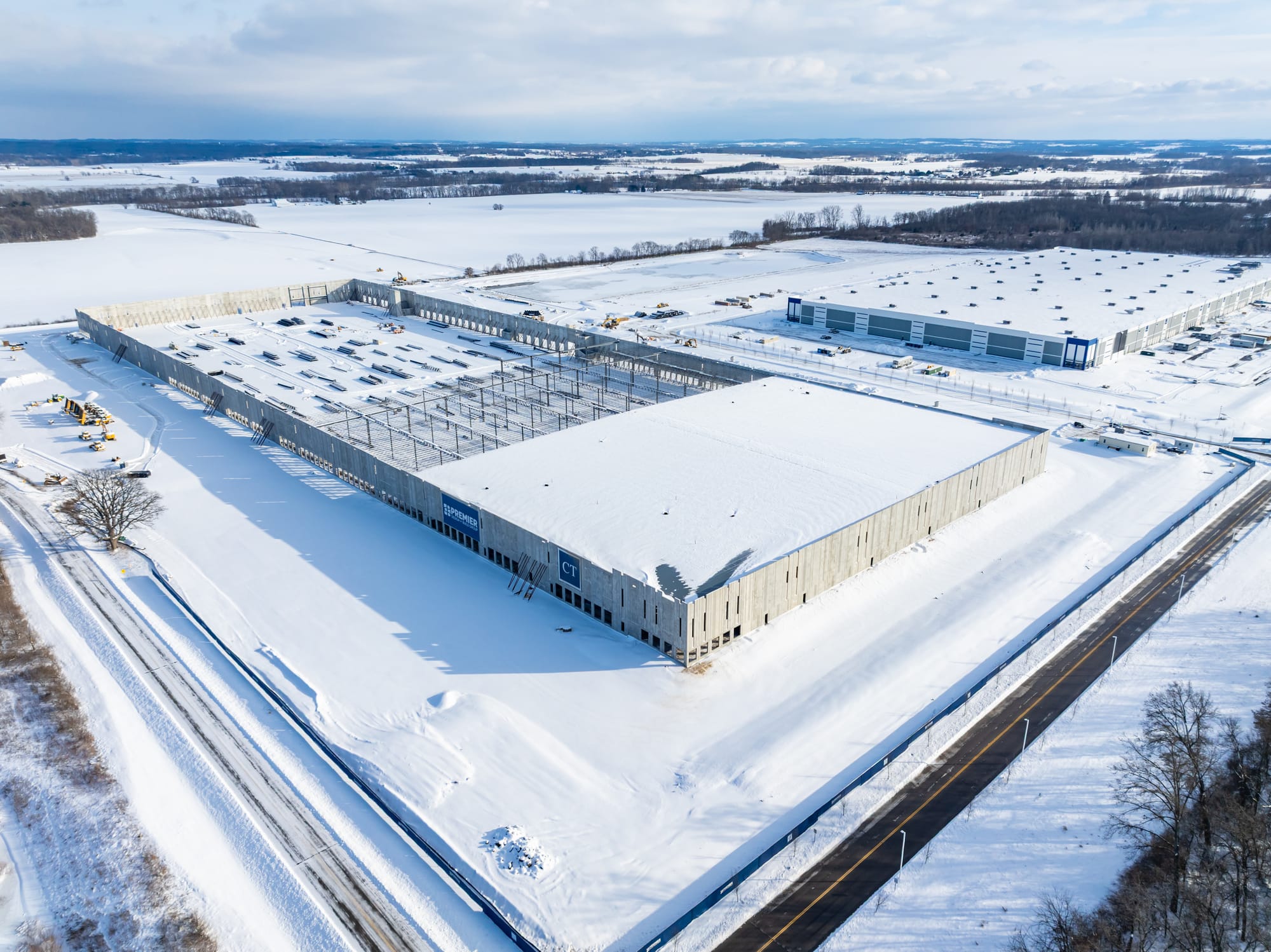
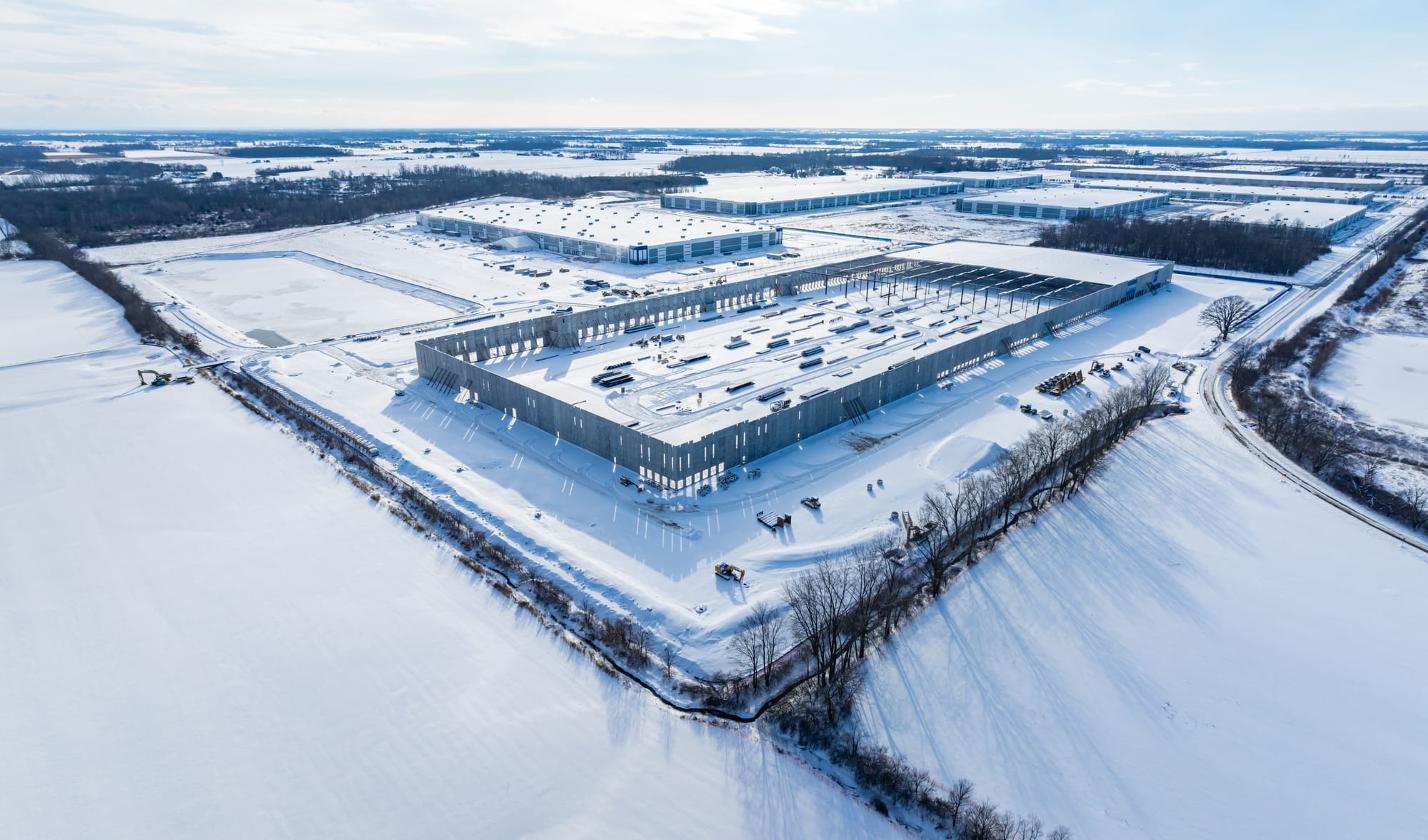
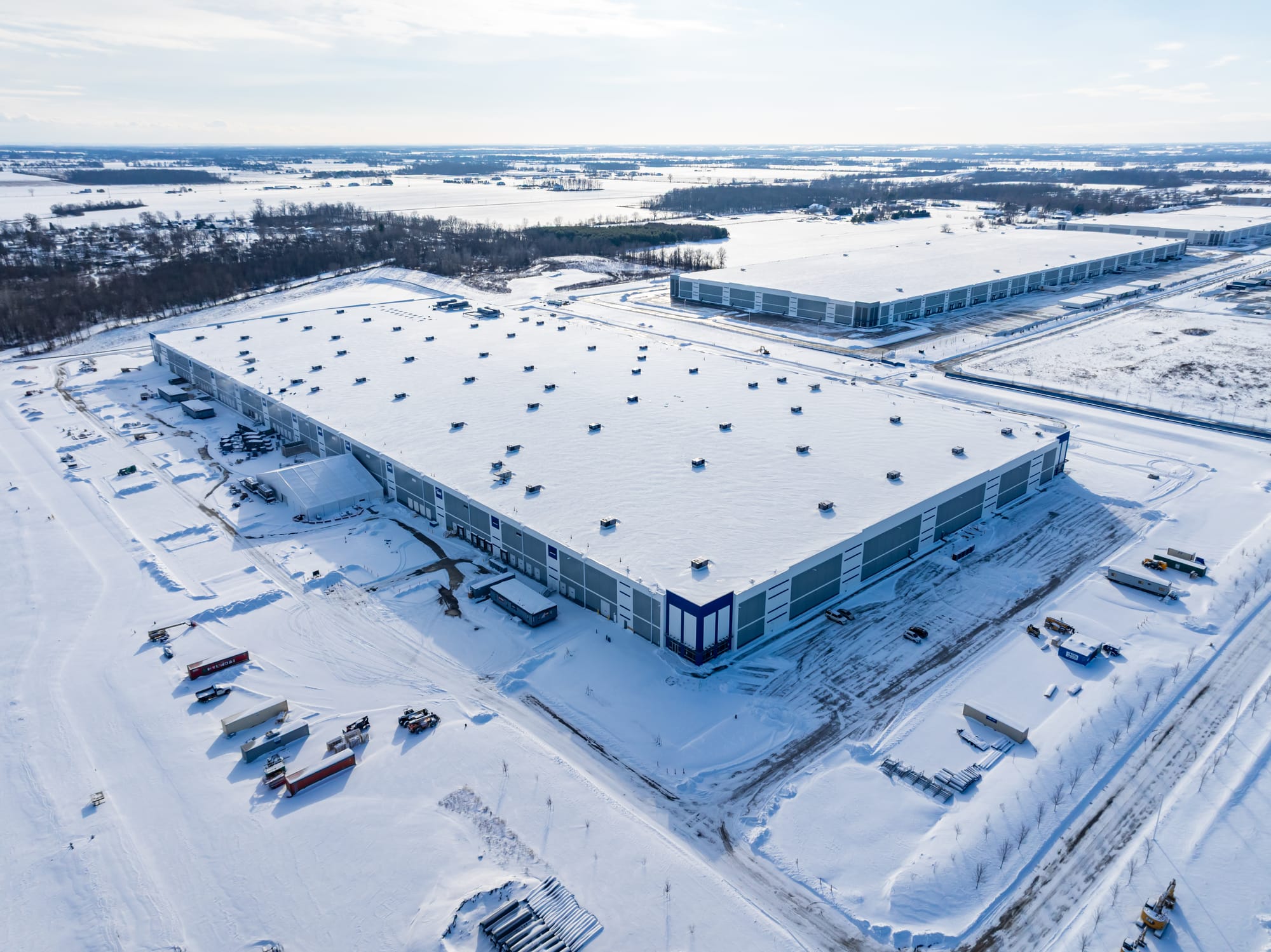
Images: Anduril
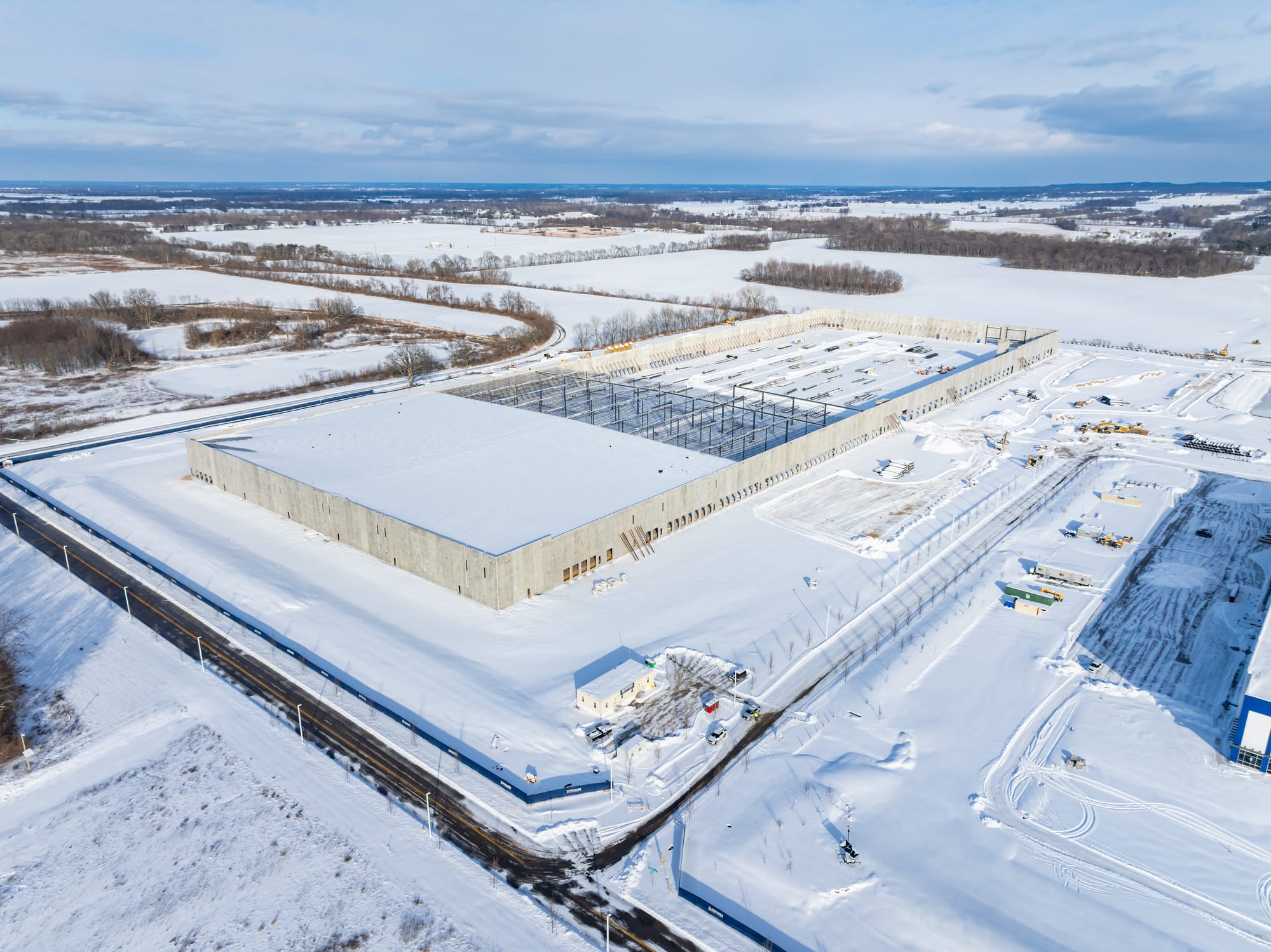
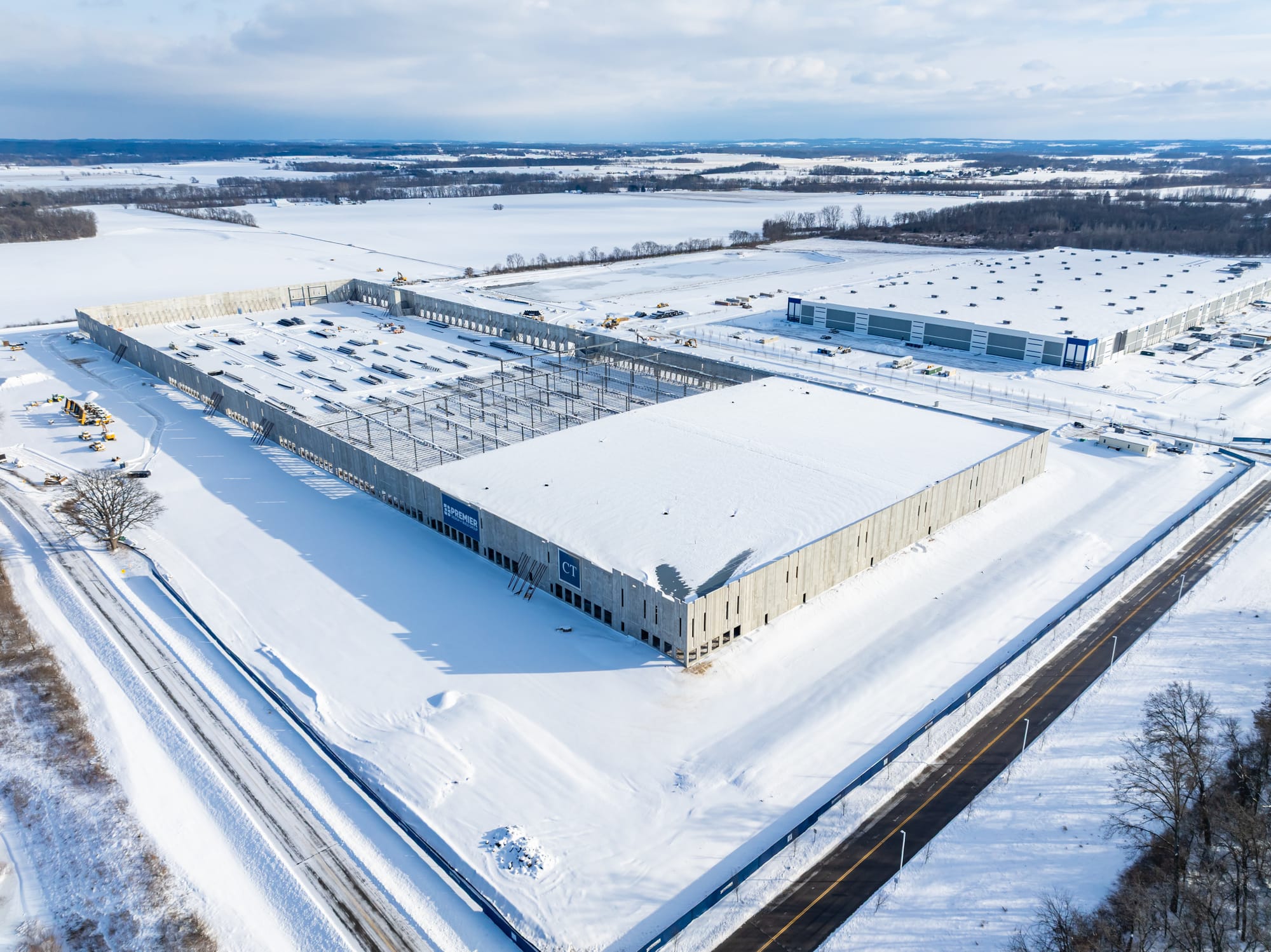
Images: Anduril