Ohio is poised to lead government AI modernization
Deloitte’s Adarsh Desai highlights Ohio as a national leader in government AI modernization. By moving beyond pilots to scale high-value solutions like fraud detection and natural language constituent services, the state is transforming public sector efficiency and accessibility.

By Adarsh (AD) Desai
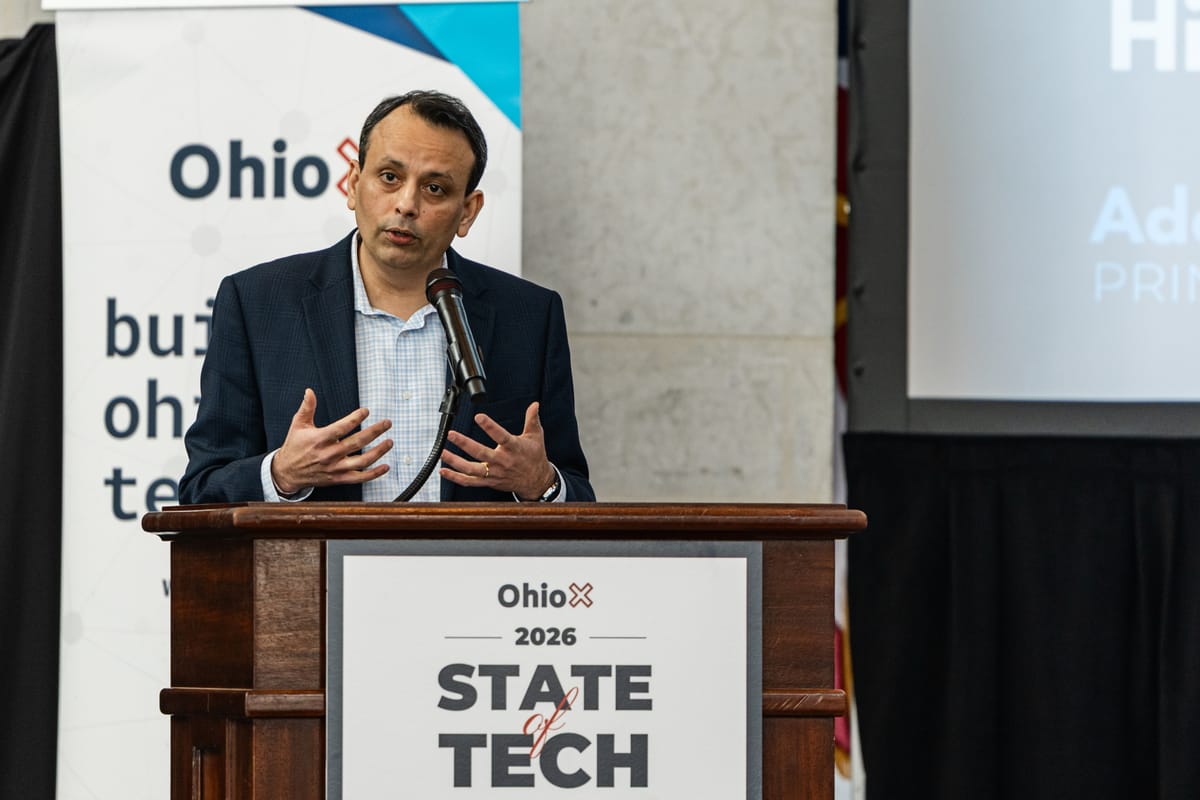
In late February, OhioX gave me a wonderful opportunity to speak in front of a couple hundred of Ohio’s technology leaders and innovators at its annual State of Tech event at the Ohio Statehouse. Given the rise and hype of artificial intelligence (AI), combined with my experience with data and AI for government modernization, I saw this as an opportunity to discuss how AI can transform government services in Ohio and beyond. In fact, I believe the state of Ohio is in a prime position to lead this next phase of modernization building a responsive, efficient and proactive government for the people.
AI and Modernization
Throughout history, new technologies have arrived and altered some fundamental aspect of our work and lives. The steam engine, electricity and the car. Or more recently – the internet, telecom wireless networks and the smart phone. I have no doubt that AI will do much the same or more. However, AI is also incredibly unique to these prior technologies. It has humanlike characteristics in that it can seem to understand, converse and act independently. And most significantly, it can create. Because of this, I believe AI will be more powerful in transforming more aspects of our lives, including how we deliver and receive public services.
We’re seeing this already from the State of Ohio. After all, the state is seen nationally as a state tech modernization leader with agency and enterprise wide initiatives like the InnovateOhio Platform and the single-sign-on digital identity service OHID.
From an AI perspective, one Ohio agency sourced more than 440 policy documents and is utilizing AI to put complicated policy information at employees’ fingertips so they can fully understand what services Ohioans can use, and answer constituent questions more quickly and accurately. While AI opens up opportunities such as these, it inevitably introduces new cybersecurity and fraud risks that states must prepare for as well. The Ohio Department of Administrative Services, for example, uses AI within a new Fraud Detection and Reporting tool that monitors and detects suspicious user behavior within OHID, helping the state identify and shut down fraudsters, while protecting and saving taxpayer dollars.
It’s an amazing foundation to build on, and I see a few steps Ohio and all tech leaders here can take to ensure the state continues its leadership position:
- First, we empower our public sector with resources, policy backing and workforce education to have the freedom to discover where AI could work, implement AI at scale and learn how to use it to do the impactful work of serving residents. The state is in fact already driving AI adoption with its IT-17 policy governing formal use case approvals and upskilling our state workforce.
- Next, let’s imagine the art of the possible. It’s time now to think about how every government action, activity or interaction could be enabled, automated or enhanced with AI. For example, can we envision an “intelligent citizen service” giving residents access to all government services, not by digging through websites, but by simply conversing with an AI solution in natural language? There are myriad ways AI could be used to better deliver health, human, transportation, tax and other critical services that the State of Ohio provides.
- Finally, let’s act with a sense of urgency to get this done and lead the nation. For that to happen, we should move beyond pilots, over-analyses and anxiety, getting right to work on the many low-risk, high-value solutions we all know are out there. Let’s build on what’s already being accomplished here, creating momentum and a virtuous cycle of innovation.
Still, let’s be clear: AI won’t be the solution to every challenge. Nor will it magically transform government. As I said at the State of Tech event in February, we will all have to work together – the policymakers, the agency leaders, industry and academia – to ensure we have the resources, policy, innovations and urgency to make this happen here.
I do know that Ohio is ready for it. And with the right actions, the state can continue to be a tech innovation leader.
Adarsh (AD) Desai is the Principal at Deloitte Consulting, LLP. Connect with him on LinkedIn.