Ohio solidifies place as a leading hub in the global AI race
Ohio’s economic narrative is shifting from industrial manufacturing to high-tech infrastructure. With Columbus now the 6th largest data center market globally, the state anchors a Midwest pivot toward AI through billions in venture capital and semiconductor investment.


For decades, the narrative of Ohio’s economy was defined by industrial manufacturing. Today, that story is being rewritten by the hum of thousands of servers and the rising steel of semiconductor plants.
New data from the American Edge Project and PitchBook reveals that Ohio has transitioned from a regional player to a leading destination for the infrastructure powering artificial intelligence. Columbus now ranks as the 6th most established data center market in the world—outpacing traditional tech strongholds like Salt Lake City and Chicago—as the state anchors a Midwest shift toward a high-tech future.
What the data says
The scale of this transformation is increasingly reflected in the state’s physical and financial ledger:
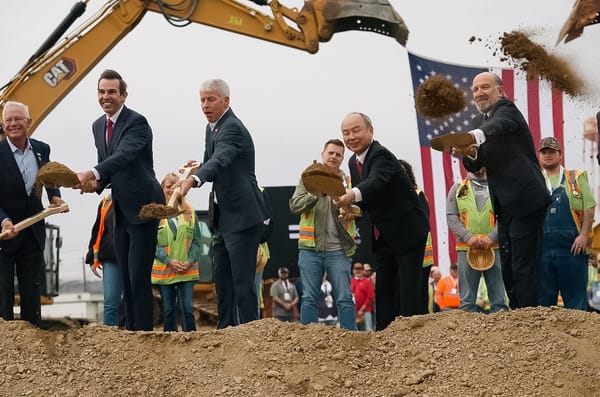
- Manufacturing Prowess: Intel’s $28 billion semiconductor "mega-fab" in New Albany represents the largest single private investment in Ohio history, supported by $7.9 billion in federal CHIPS Act funding.
- Infrastructure Momentum: Ohio currently hosts 191 active data centers, with an additional 102 projects currently announced or under construction.
- Economic Impact: These new infrastructure projects are projected to generate $266 million in state and local tax revenue over the next decade.
- Venture Capital: Capital is following the concrete; Ohio has secured $2.3 billion in AI-related venture capital across 244 deals since 2019, with activity rising in logistics and manufacturing.
A new labor engine
The build-out is creating a massive demand for both white-collar and skilled trade labor. The report estimates that Ohio’s current pipeline of data center projects will support roughly 172,176 temporary construction jobs and 25,500 permanent operational roles. These figures underscore a broader trend: tech-related employment in the U.S. is growing 2.5 times faster than the general economy.
The regulatory headwind
Despite this momentum, Ohio’s position is not guaranteed. The report identifies Ohio as a state where "well-intentioned" local regulation could impede the very growth it seeks to foster. With 14 AI-related legislative proposals currently pending in the statehouse, analysts warn that a complex patchwork of state-level rules could stifle experimentation and surrender American leadership to global competitors.
The bottom line
The race for AI dominance is a trillion-dollar contest of infrastructure and energy. For Ohio, the challenge lies in modernizing its power grid and maintaining a pro-innovation environment to meet the massive electricity demands of these new "digital factories". If the state can navigate these policy hurdles, its transition to a leading tech hub may serve as the national blueprint for the AI era.