Ohio State, Microsoft launch five-year AI and cloud partnership reportedly valued at $250 million
Plans call for expanding connected hospital systems, using technology to ease clinicians’ documentation burden and linking patient care, research and operational data. Students, employees and community members could also gain broader access to technical training and industry certifications.

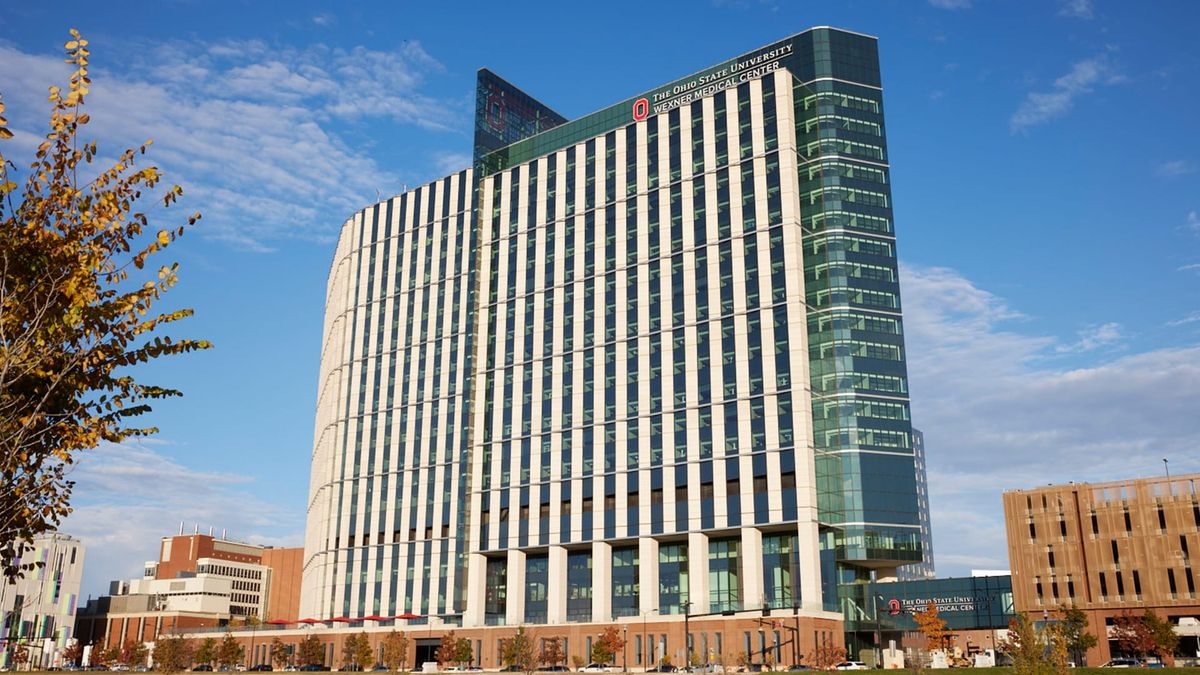
The Ohio State University and Microsoft have announced a five-year partnership, valued at $250 million according to The Columbus Dispatch and Columbus Business First, to expand clinical artificial intelligence, move major computing workloads to the cloud and broaden technology training opportunities.
The collaboration, announced Nov. 10, builds on work already underway at Ohio State’s Wexner Medical Center, including AI-assisted clinical documentation and connected hospital systems operating at two facilities. The joint announcement did not disclose financial terms.
Why it matters
The partnership connects a substantial computing migration with changes in how Ohio State manages hospital facilities, organizes research data and supports clinical work. It also reaches beyond the medical center, with plans to broaden access to Microsoft training and certifications for students, employees and community members.
Some technology is already operating. Other elements—including potential AI tools for coordinating cancer care—remain exploratory.
Moving computing to the cloud
The partners outlined two related infrastructure initiatives:
- Cloud migration: The partnership’s target is to move approximately 70% to 80% of Ohio State’s storage and computing to Microsoft Azure, including digital pathology and imaging workloads. Wexner Medical Center is also moving its electronic health record to Azure as a backup for business continuity.
- Connected data: Ohio State is building a shared data foundation using Microsoft Fabric and OneLake to connect clinical, operational and research information across the medical center, colleges and regional campuses.
The data platform’s high-level design is complete. Potential early applications include forecasting surgical demand, staffing needs and operating room use. A secure research environment on Azure could also provide investigators with controlled access to appropriate, de-identified data.
Expanding smart hospital systems
A smart hospital platform powered by Azure and Internet of Things technology is already operating at the Richard M. Ross Heart Hospital and the James Outpatient Care facility.
The platform connects facility, operational and clinical-support systems. Initial work is improving energy efficiency and resource use, according to the announcement, which did not provide figures measuring those gains.
Ohio State plans to extend the capabilities to additional facilities. The work will also inform operations at the medical center’s new University Hospital.
Bringing AI into clinical work
The clinical initiatives are at different stages:
- Already in use: Clinicians are using Dragon Copilot to draft clinical notes from patient visits. Clinicians review and finalize the documentation.
- Under exploration: The partners are examining AI-supported tumor-board workflows that could bring pathology, imaging, genomic information and clinical histories into a more coordinated view for teams reviewing complex cancer cases across locations.
“Artificial intelligence represents one of the most significant opportunities to transform and improve how hospitals care for patients,” said Dr. John J. Warner, CEO of Wexner Medical Center and executive vice president at Ohio State.
The organizations said their approach is intended to reduce administrative burden while keeping clinical judgment and human oversight central to patient care.
Building Ohio’s AI workforce
Microsoft and Ohio State also plan to expand AI learning, Microsoft Learn resources and certification opportunities for caregivers, researchers, faculty, staff and students.
As Ohio State becomes a Microsoft Training Services Provider, it will have opportunities to broaden access to training and certifications for community members as well.
That gives the collaboration a workforce-development role beyond hospital operations.
What to watch
Key milestones include extending smart hospital systems to additional facilities, progress toward the cloud migration target and details on how community members can access training. Those developments will help show how the five-year agreement translates into operational changes and opportunities for Ohio residents.