Stack Health raises $21 million Seed Round to shift small businesses from group insurance to individual coverage
Alex “Fro” Frommeyer’s Columbus startup is betting that fixed employer allowances, employee-owned plans, and local care-navigation tools can give small businesses an alternative to escalating health-plan renewals.

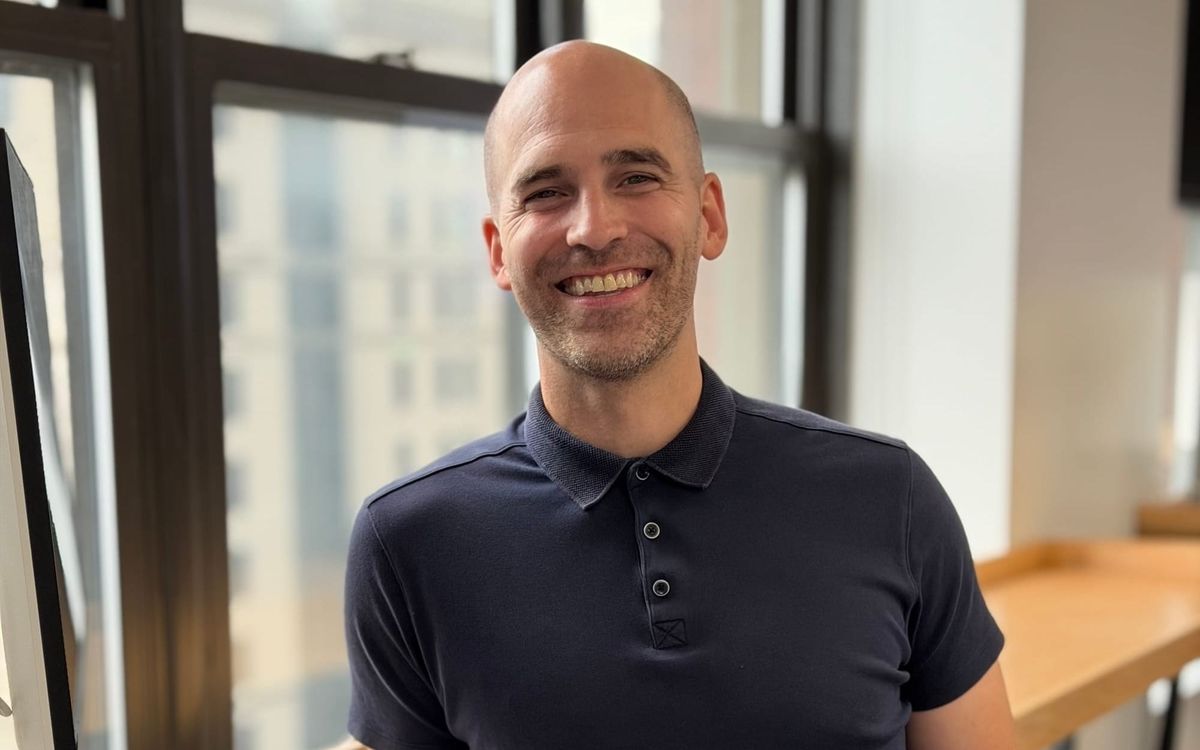
Stack Health, the Columbus startup founded by former Beam Benefits founder and CEO Alex “Fro” Frommeyer, has raised a $21 million seed round to help small businesses replace traditional group health insurance with employee-owned individual plans.
The round was led by 8VC, with participation from A*, Heartland Ventures, The O.H.I.O. Fund, and other investors. It gives Stack fresh capital for an ambitious proposition: employers should stop purchasing one health plan for everyone on the payroll and instead give workers a fixed contribution to choose coverage that fits their own doctors, prescriptions, care needs, and budgets.
Stack is launching first in Central Ohio, where it is targeting small businesses confronting another difficult benefits-renewal season and employees who increasingly shoulder higher premiums and out-of-pocket costs.
“Founding and building Beam shaped me into the person I am today,” Frommeyer said in a statement shared with OTN. “Now, it’s time to use that experience, along with our incredible team, to build a company that gives Americans choice, freedom, and personalization of their healthcare.”
The renewal problem
Stack’s funding arrives as employers prepare for another sharp rise in health-benefit expenses.
WTW projects that U.S. employers could face an 11.1% increase in health-care costs in 2027 if they make no changes to their benefits programs. Aon, meanwhile, forecasts a 9.5% increase next year, pushing average employer health-care costs above $19,000 per employee.
Workers are paying more as well. Aon estimates employees with employer-sponsored insurance will spend an average of $5,297 on health care in 2026, including $3,130 in paycheck premium contributions and $2,167 in out-of-pocket costs. That total is $388 higher than in 2025.
For a small business, the problem is not simply that health insurance gets more expensive every year. Traditional group coverage also leaves employers exposed to unpredictable renewal quotes. They can absorb the increase, ask employees to pay more, reduce benefits, or begin shopping for another plan.
Stack’s pitch is that employers can retain a meaningful health benefit without taking on an open-ended insurance expense.
How Stack works
Stack is built around an Individual Coverage Health Reimbursement Arrangement, or ICHRA, a benefits structure that allows an employer to reimburse eligible workers for individual health-insurance coverage and qualifying medical expenses.
Instead of buying a single group policy for the company, the employer sets a defined monthly allowance for each worker. Stack then helps employees compare and select individual plans.
The model has three central pieces:
- A fixed employer contribution: Employers establish a monthly health-benefit budget per employee rather than negotiating a new group-plan premium each year.
- Individual plan selection: Workers choose their own carrier and plan, using criteria that can include doctor networks, hospital systems, prescription coverage, expected care needs, and household budget.
- HSA tools: Eligible members can use Stack’s health savings account tools to pay qualified medical expenses with tax advantages and invest money they do not spend.
The company’s broader argument is that health coverage should be attached to the person, not the job. A worker who changes employers, becomes a contractor, or starts a business would not necessarily have to begin the insurance-shopping process from scratch.
That does not make health care cheap, and it does not guarantee that an individual-market plan will cost less for every worker. But it changes the employer’s role from buyer of a group policy to funder of individual choices—and gives the business more control over what it spends.
Why Central Ohio comes first
Stack is deliberately limiting its initial market.
The company is currently available only to businesses with a vast majority of their workforce in Central Ohio. That is because health insurance is intensely local: carrier options, provider networks, plan availability, hospital affiliations, and prescription coverage can vary substantially by county.
Stack says it wants to become a “master of the market” before expanding, providing employees with accurate information about whether a potential plan works with their preferred doctors, local hospital systems, medications, and budgets.
That focus is a practical response to one of the biggest barriers in individual coverage. Giving an employee a defined allowance and a marketplace login is not enough if they cannot confidently determine whether a cheaper plan excludes their doctor or creates unexpected costs when they need care.
The company is trying to make that decision easier through localized plan guidance and, eventually, a broader set of care-navigation tools.
From Beam to Stack
Frommeyer spent 13 years building Beam Benefits, which he has said serves roughly 25,000 employers across more than 45 states. Stack is a more fundamental challenge to the system Beam operated within.
Rather than helping employers administer benefits, Stack is attempting to change how small employers provide health coverage in the first place.
“Fro isn’t trying to build a better insurtech, he and his team are trying to change how tens of millions of Americans choose and use their healthcare,” said Alex Moore, a partner at 8VC. “That’s the level of impact we want our companies to make.”
Stack now has $21 million to test whether small businesses will trade the familiarity of group coverage for more predictable costs—and whether workers, with the right guidance, will embrace health plans built around their own doctors, prescriptions and needs.