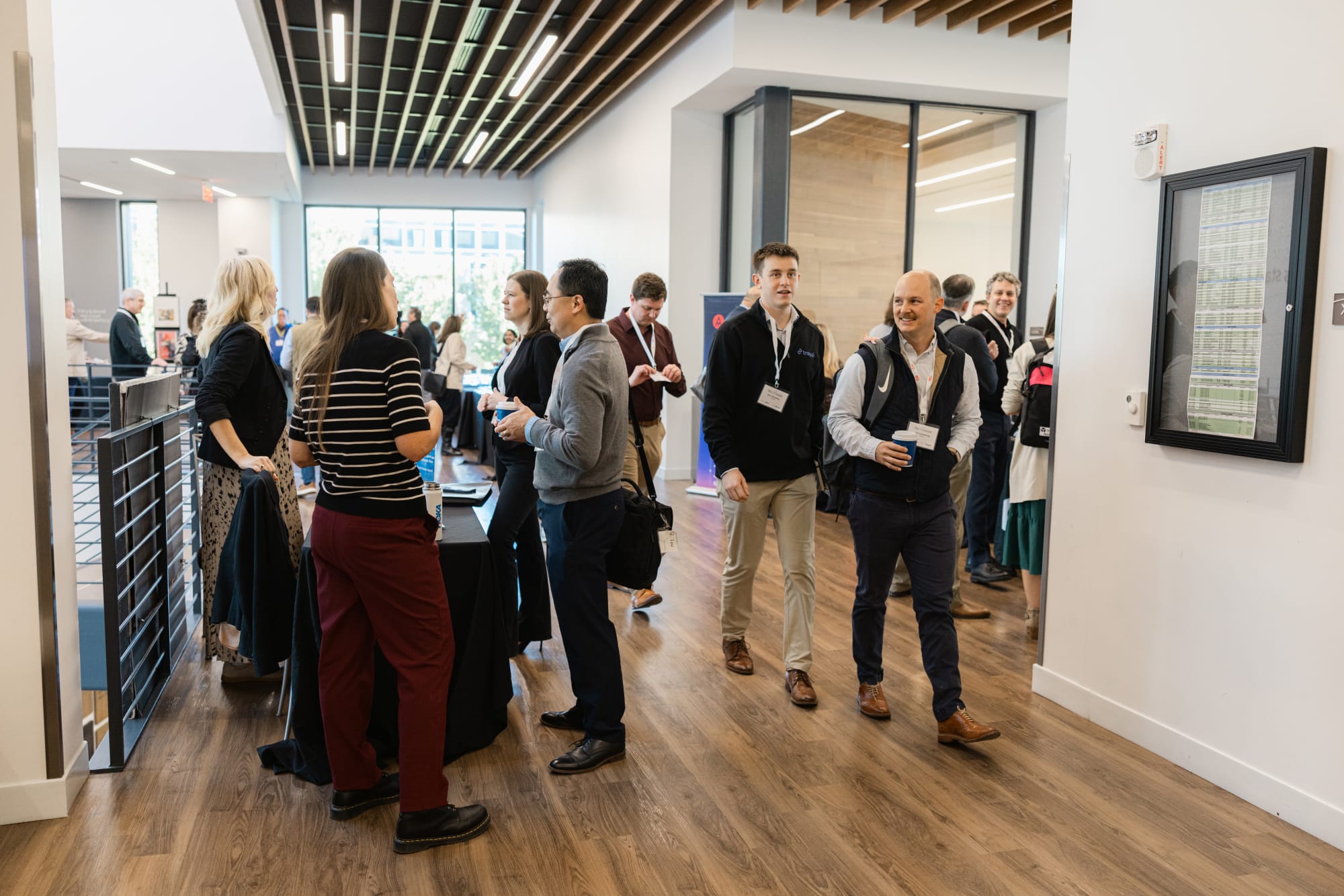
Ohio’s AI momentum takes center stage at third annual Summit
Presented by OpenAI, the sold-out gathering brought 415 attendees from across Ohio to Columbus for conversations on putting AI to work, featuring leaders from Nationwide, Path Robotics, Stack Health and state government, plus lessons on infrastructure, workforce development and business growth.

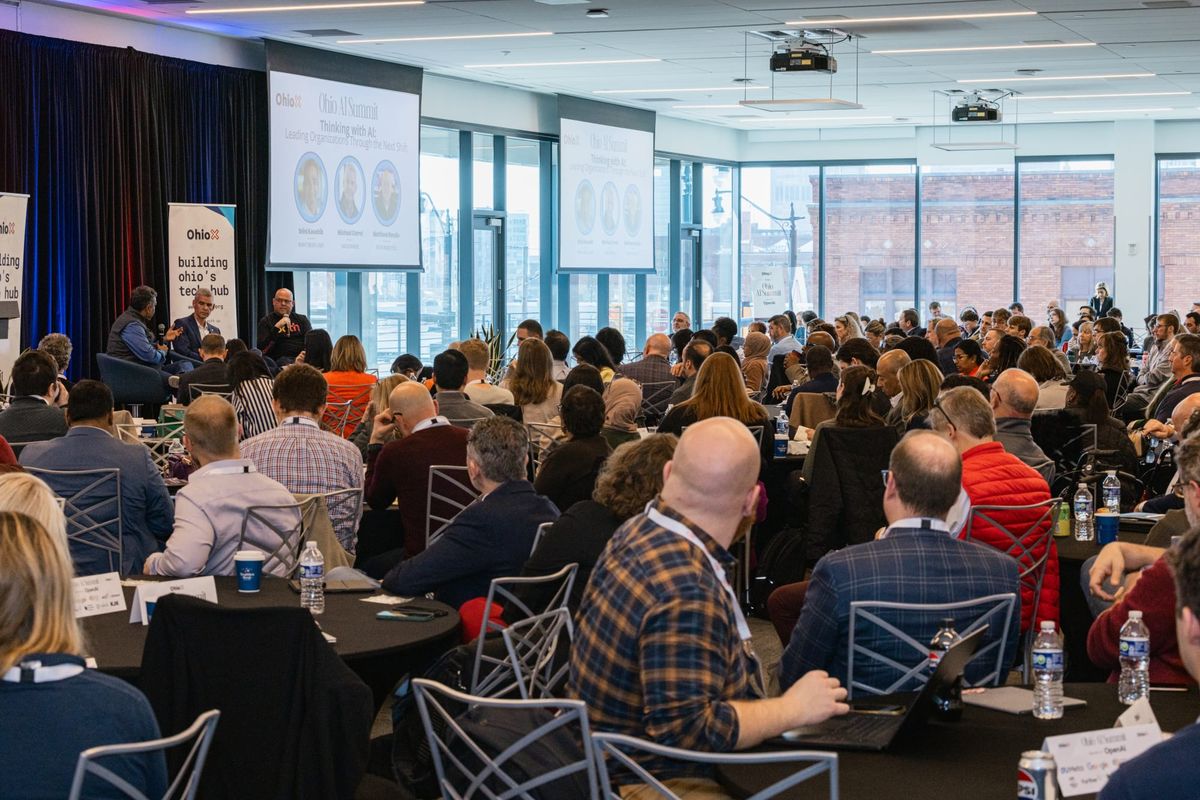
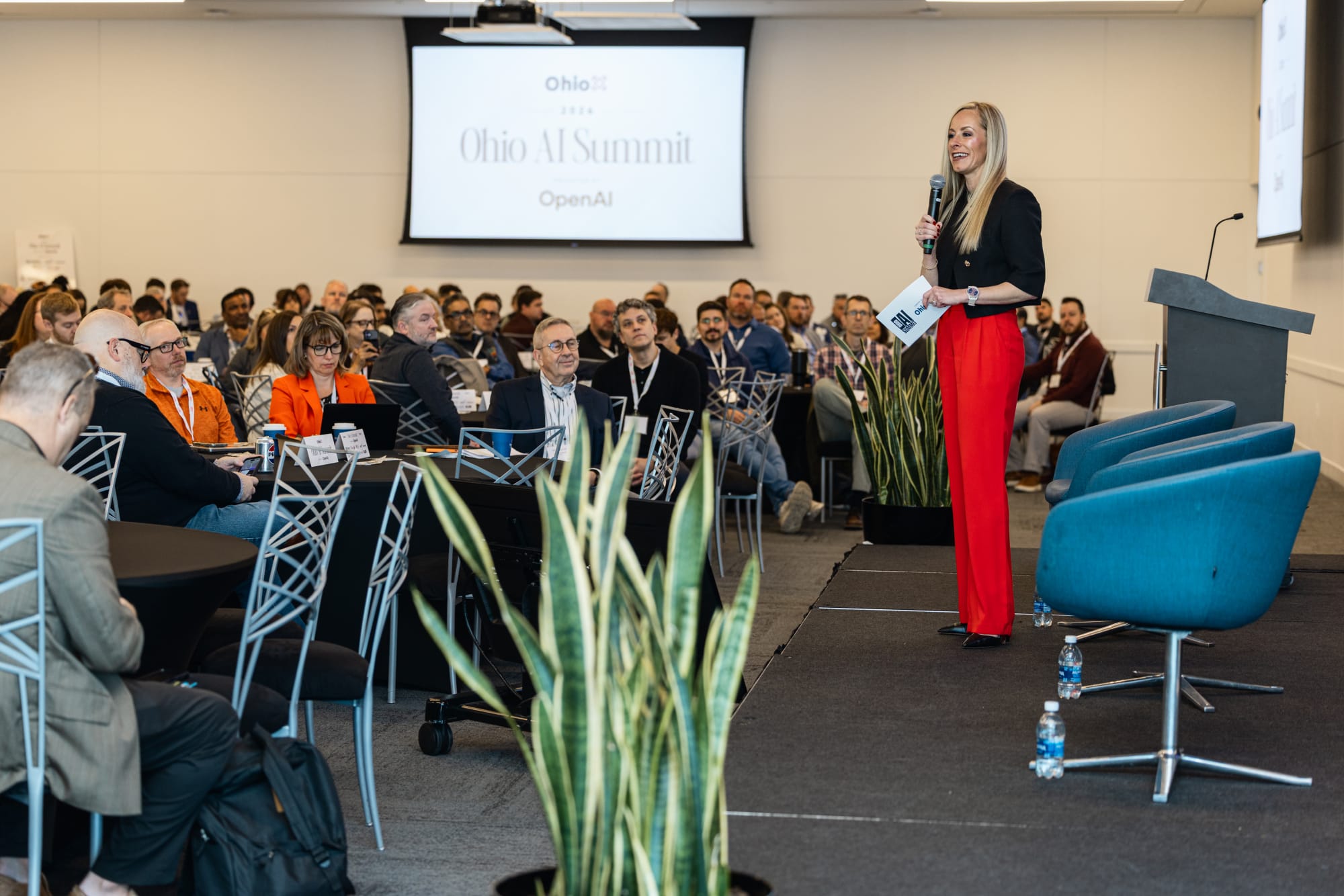
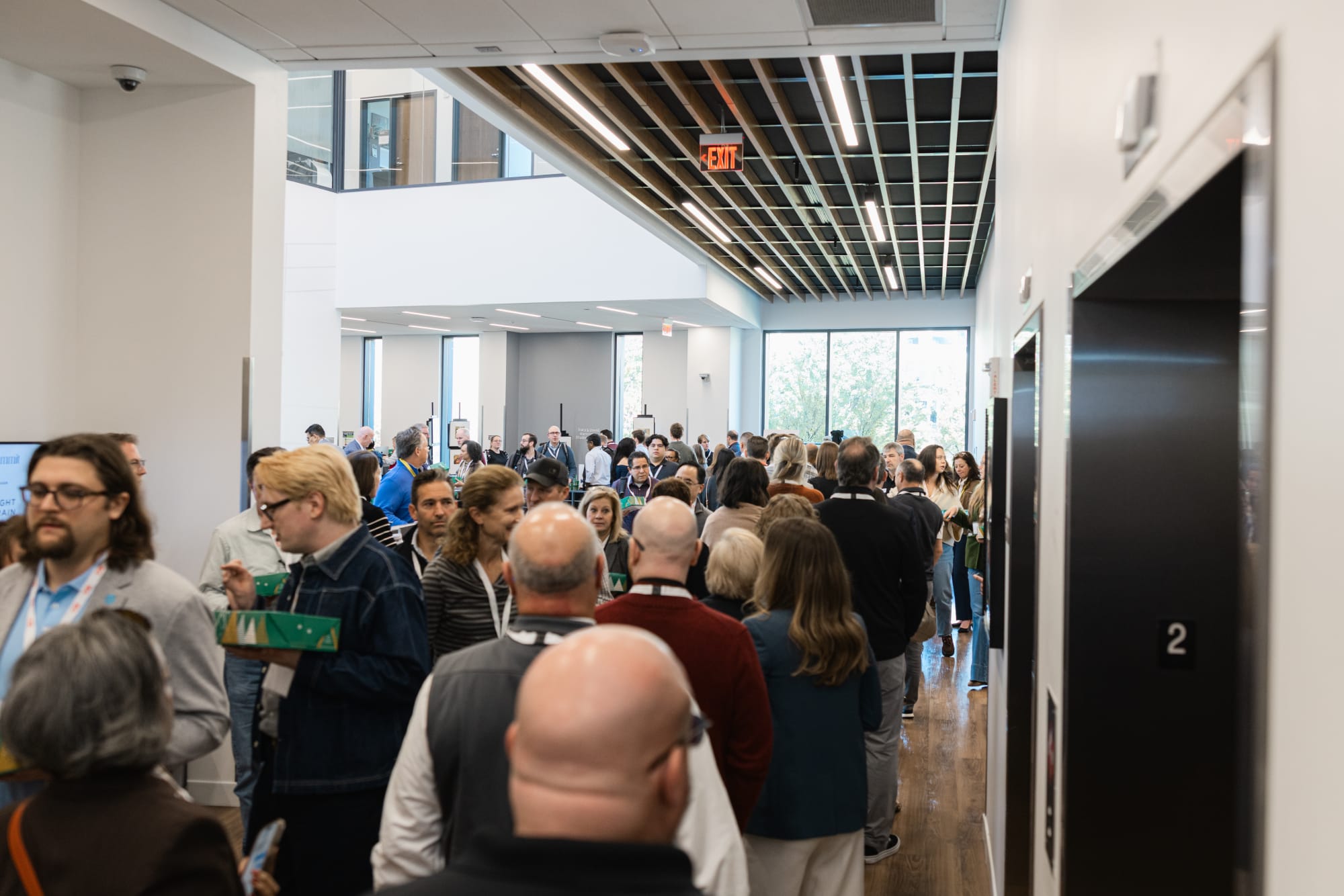
The Ohio AI Summit sold out for the third year in a row, bringing 415 people to Columbus State Community College on Nov. 18 for a day focused on how businesses and institutions are using artificial intelligence.
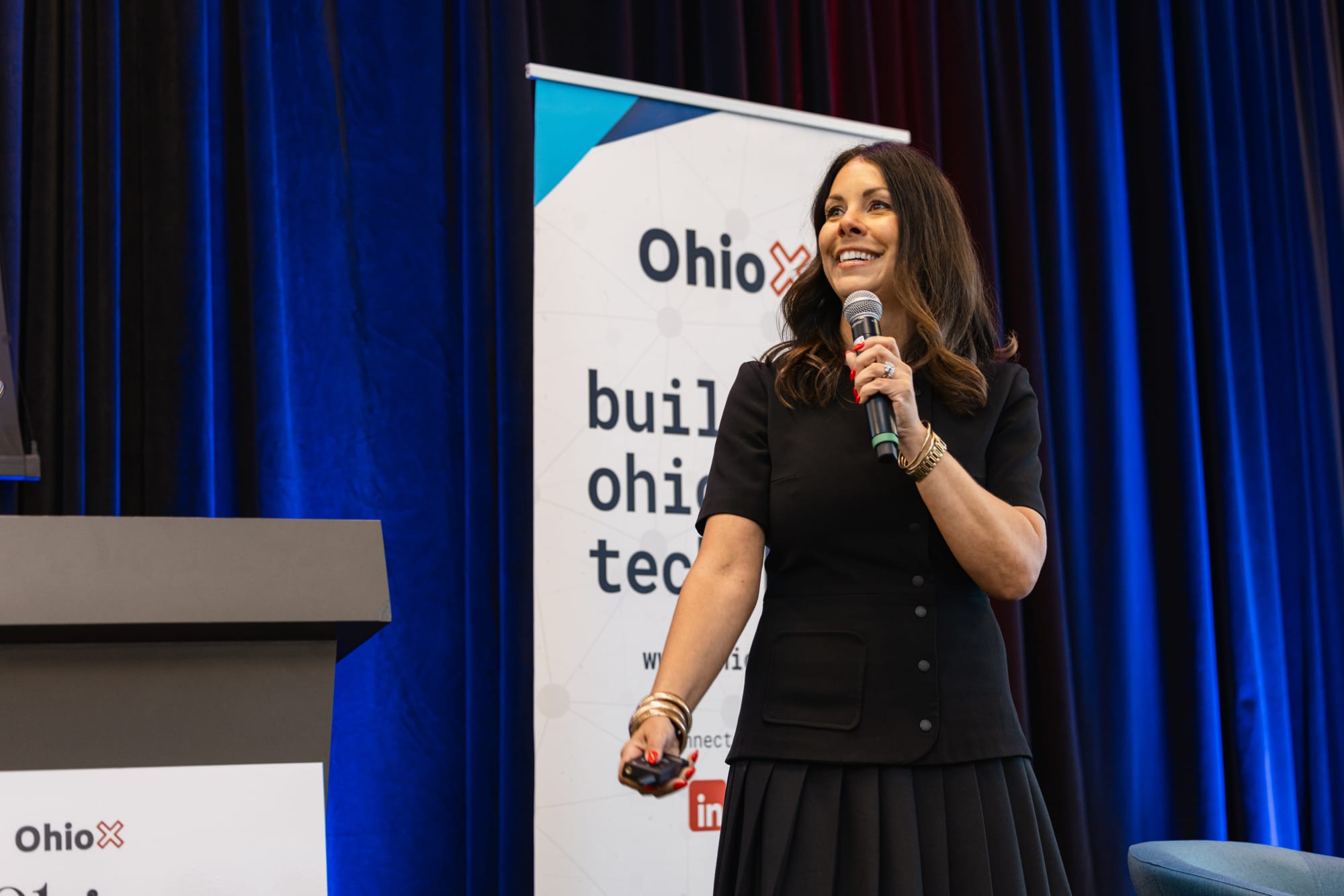
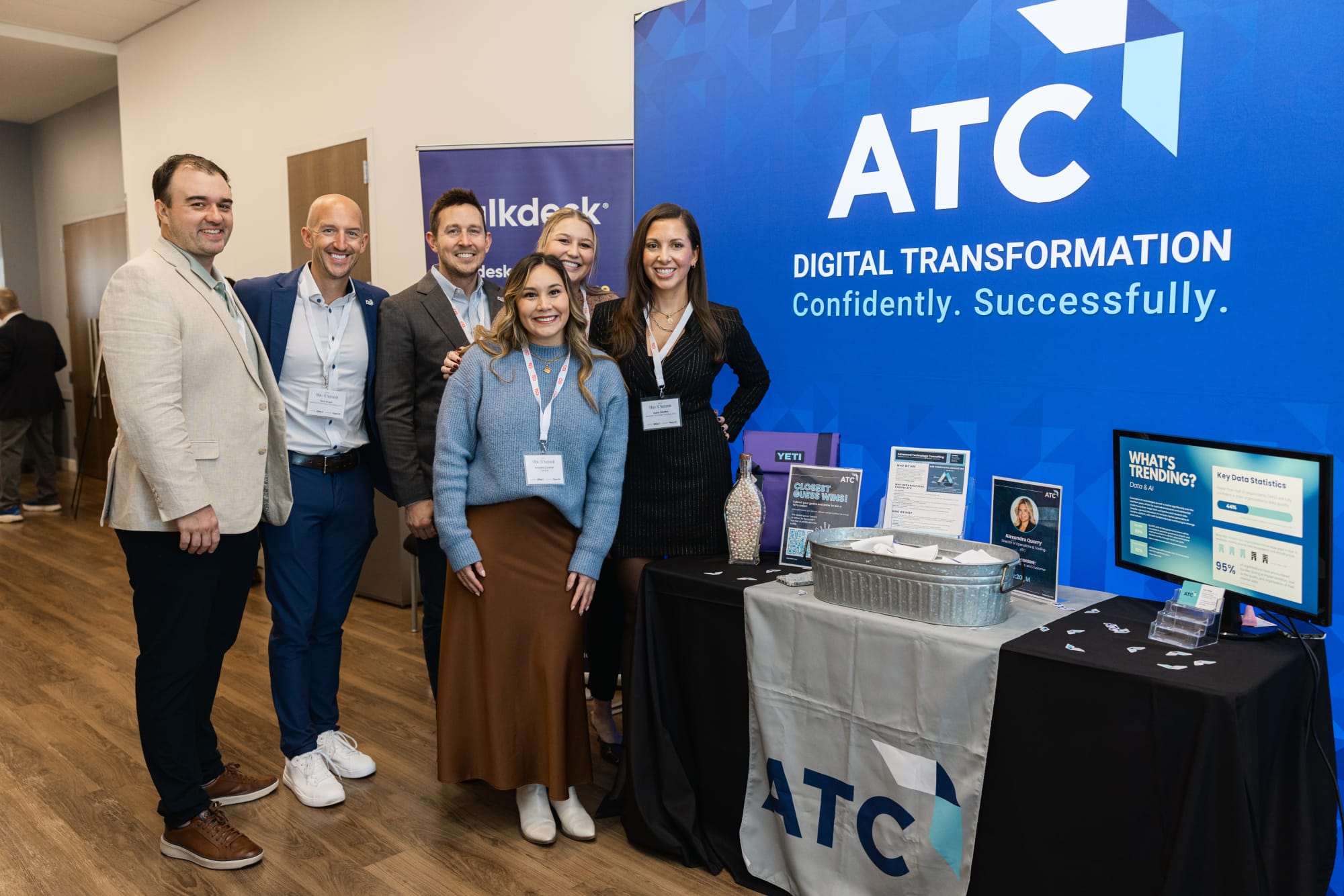
Presented by OpenAI and hosted by OhioX, the Summit drew attendees from every region of Ohio. Large employers, startups, small businesses, colleges, government agencies and nonprofits were represented.
The conversations went beyond choosing AI tools. Sessions addressed how to change day-to-day operations, prepare employees and decide which responsibilities should remain with people.
Big investments, practical decisions
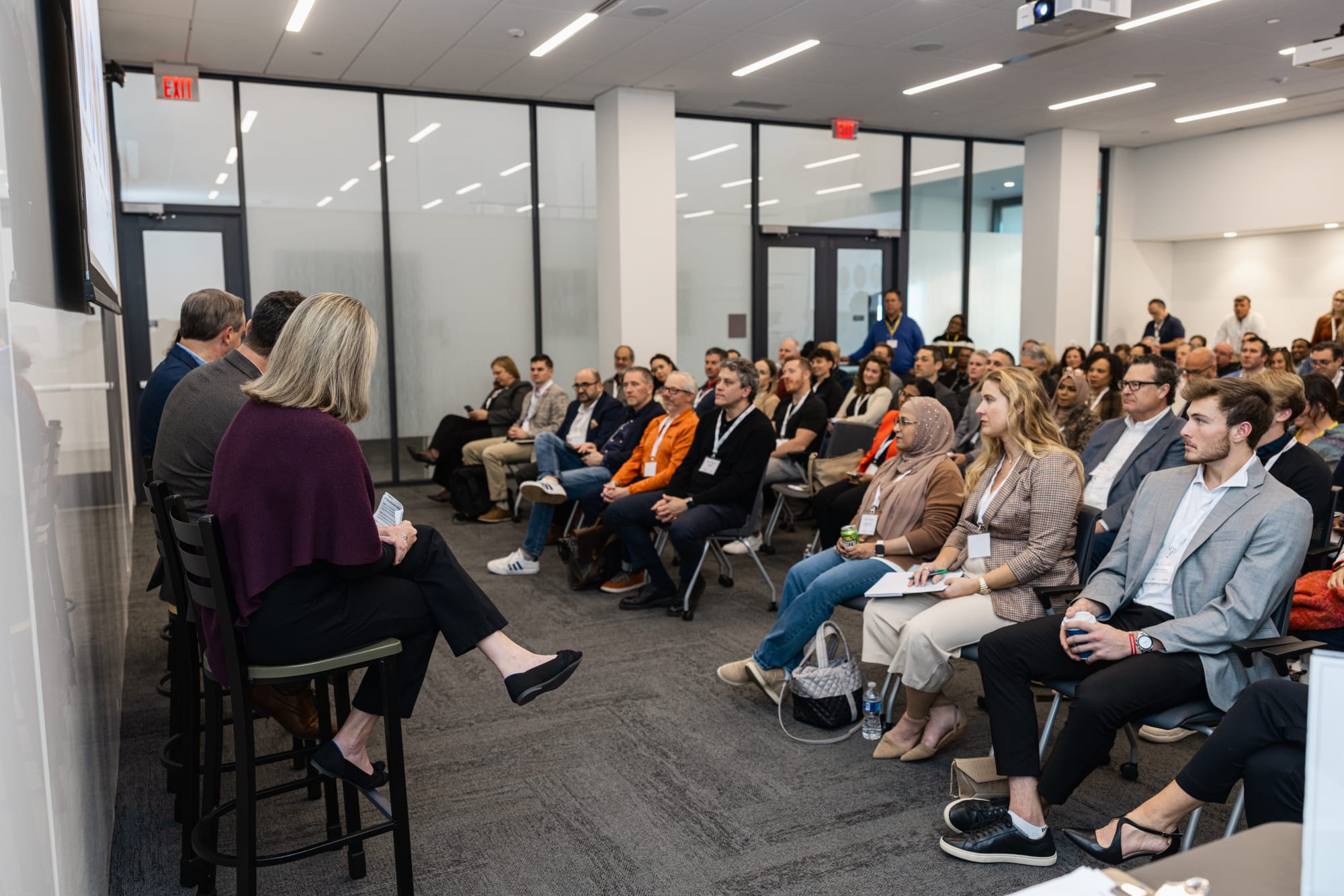
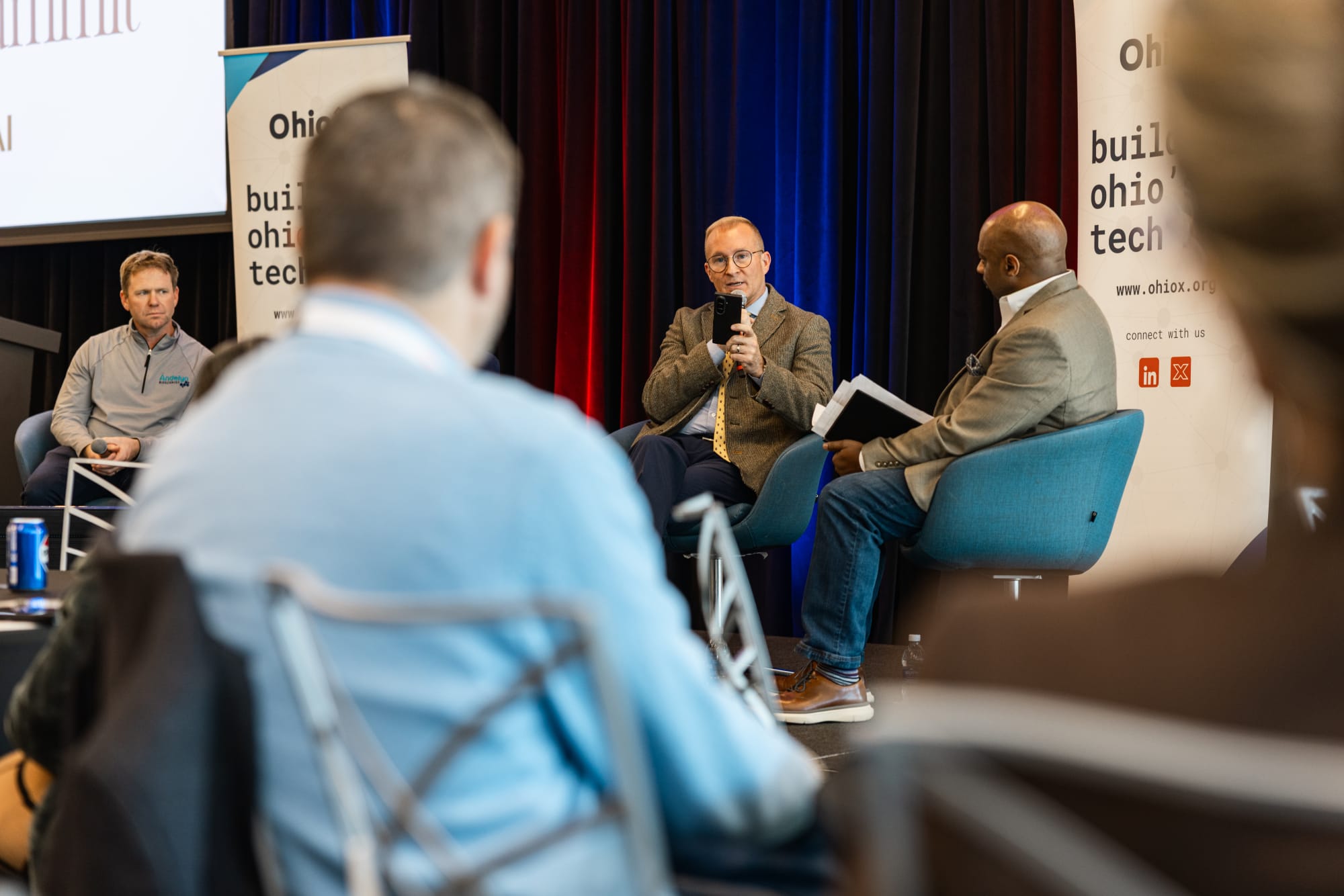
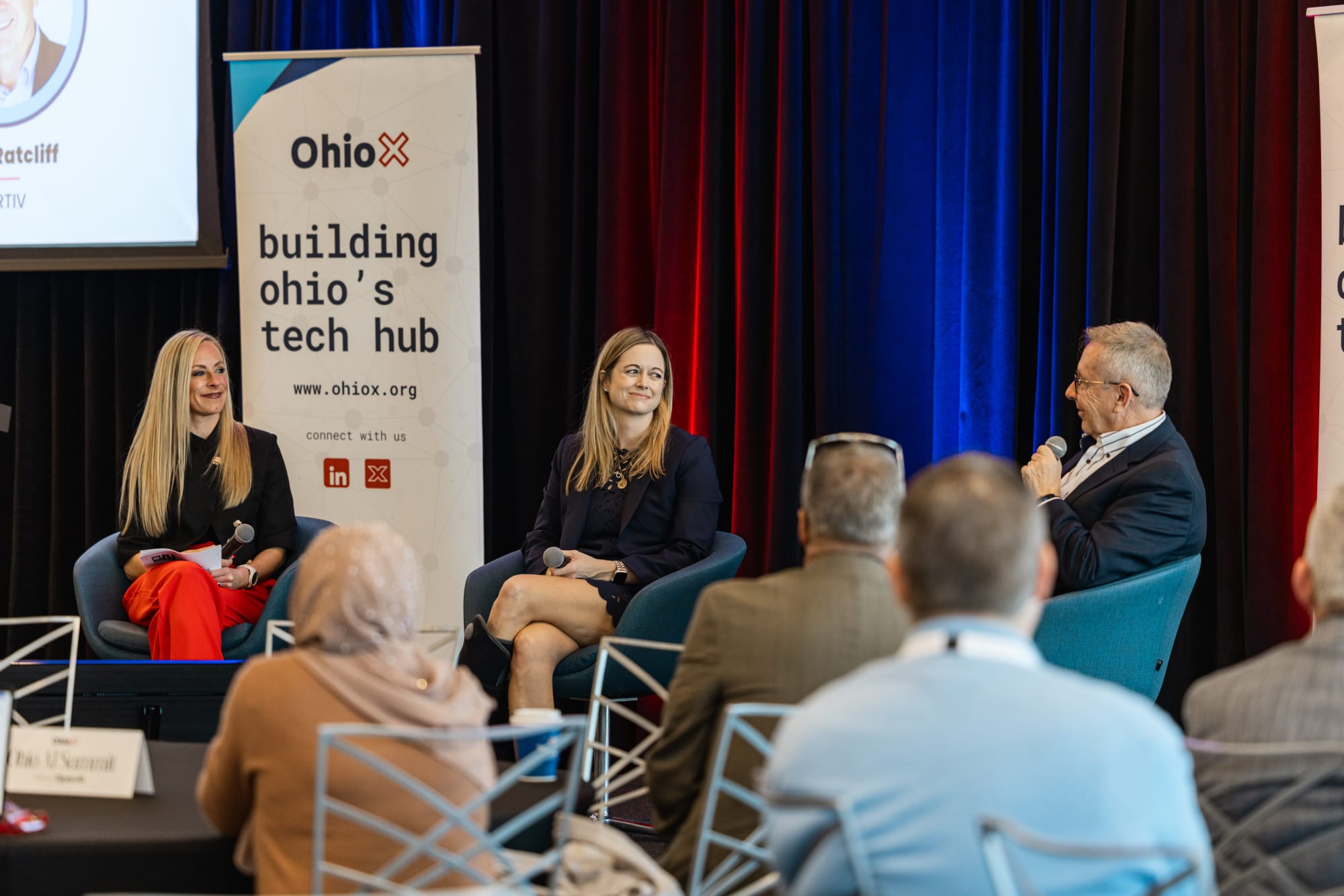
Nationwide’s Michael Carrel and Path Robotics’ Matthew Randle joined Right Brain Labs founder and CEO Srini Koushik for a discussion about leading organizations through those decisions.
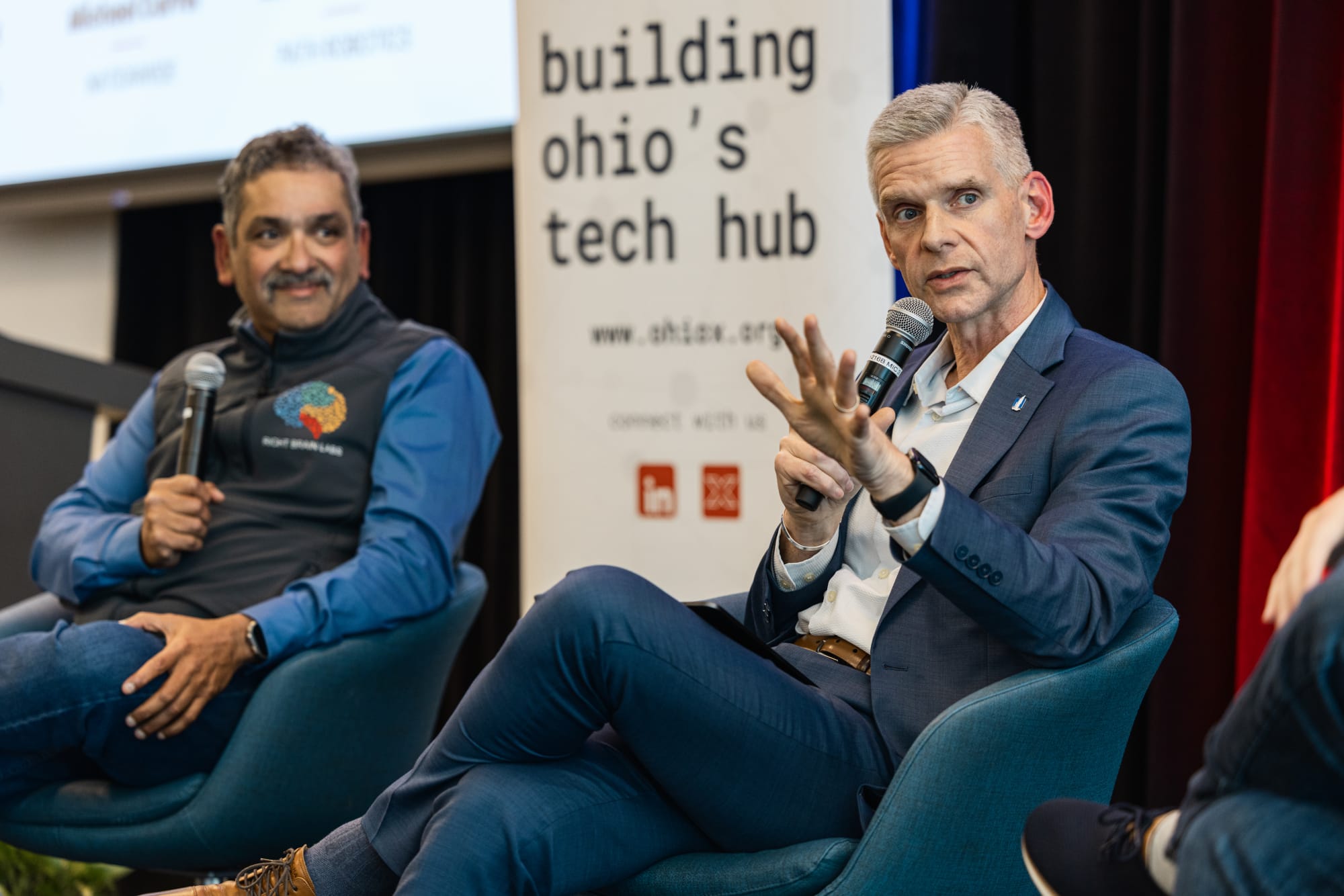
Carrel, Nationwide’s executive vice president and chief technology officer, brought the perspective of an insurer investing heavily in technology. Nationwide previously announced a $1.5 billion technology commitment through 2028, including $100 million annually for AI initiatives.
Randle, chief information security officer and vice president of product reliability engineering at Path Robotics, represented a different application: AI on the factory floor. The Columbus company recently announced a $300 million funding round at a $2.45 billion valuation to expand its physical AI technology for manufacturing.
Their session examined what AI should do, what people should continue to do and how leaders can use the technology to strengthen employees’ capabilities and judgment.
AI Sprints offered faced paced looks at how companies are putting AI to work. Speakers included Alex “Fro” Frommeyer, founder and CEO of Stack Health, whose Columbus startup recently raised $21 million to help small businesses move from traditional group health insurance to employee-owned individual coverage.
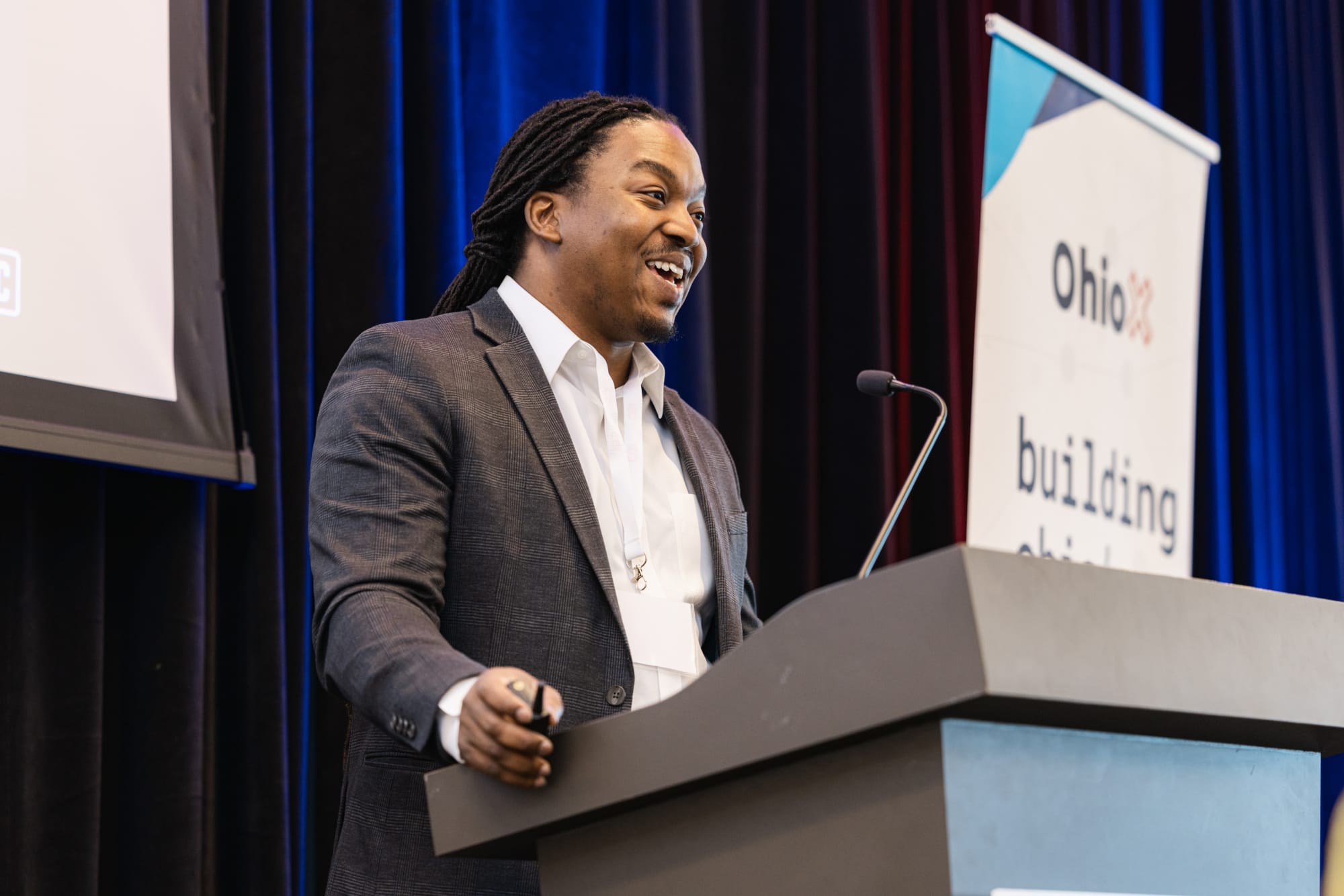
Ordermatic co-founder David Boone Jr. addressed another time-consuming task: entering orders by hand. His company’s software reads orders arriving as emails, PDFs, phone calls or handwritten notes and converts them into entries for a distributor’s enterprise resource planning system. Employees review and approve the entries rather than retype them, helping the same team handle more orders and spend more time with customers.
Beyond the chatbot
State Chief Information Officer Katrina Flory joined speakers from Upstart, CBTS, CGI and Dell Technologies for a session on AI applications across business systems. The discussion’s focus included separating live deployments from experiments and understanding the integration and oversight each requires.
Other sessions tackled the less visible work behind adoption: fitting AI into existing operations, getting employees comfortable using it and measuring success and impact.
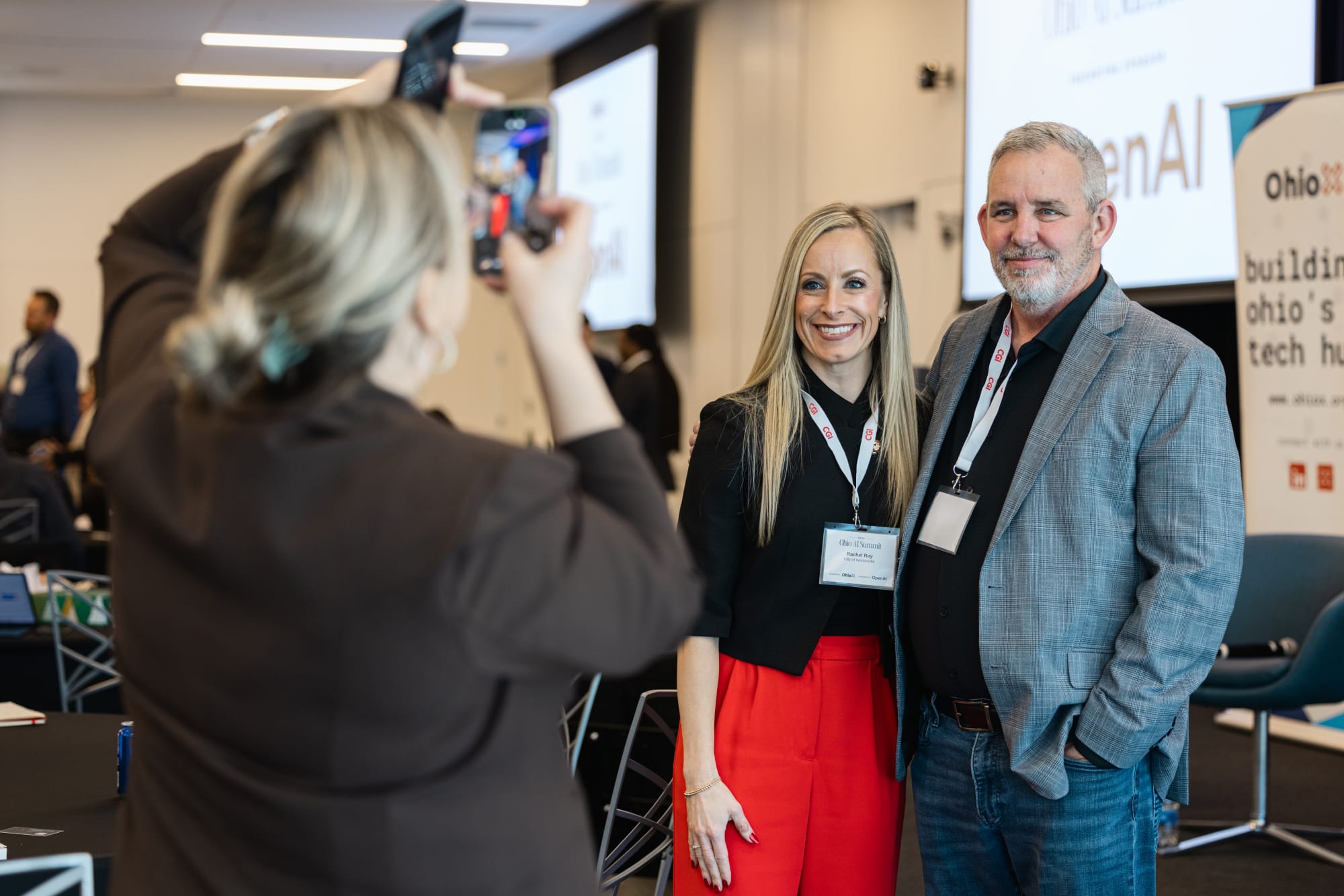
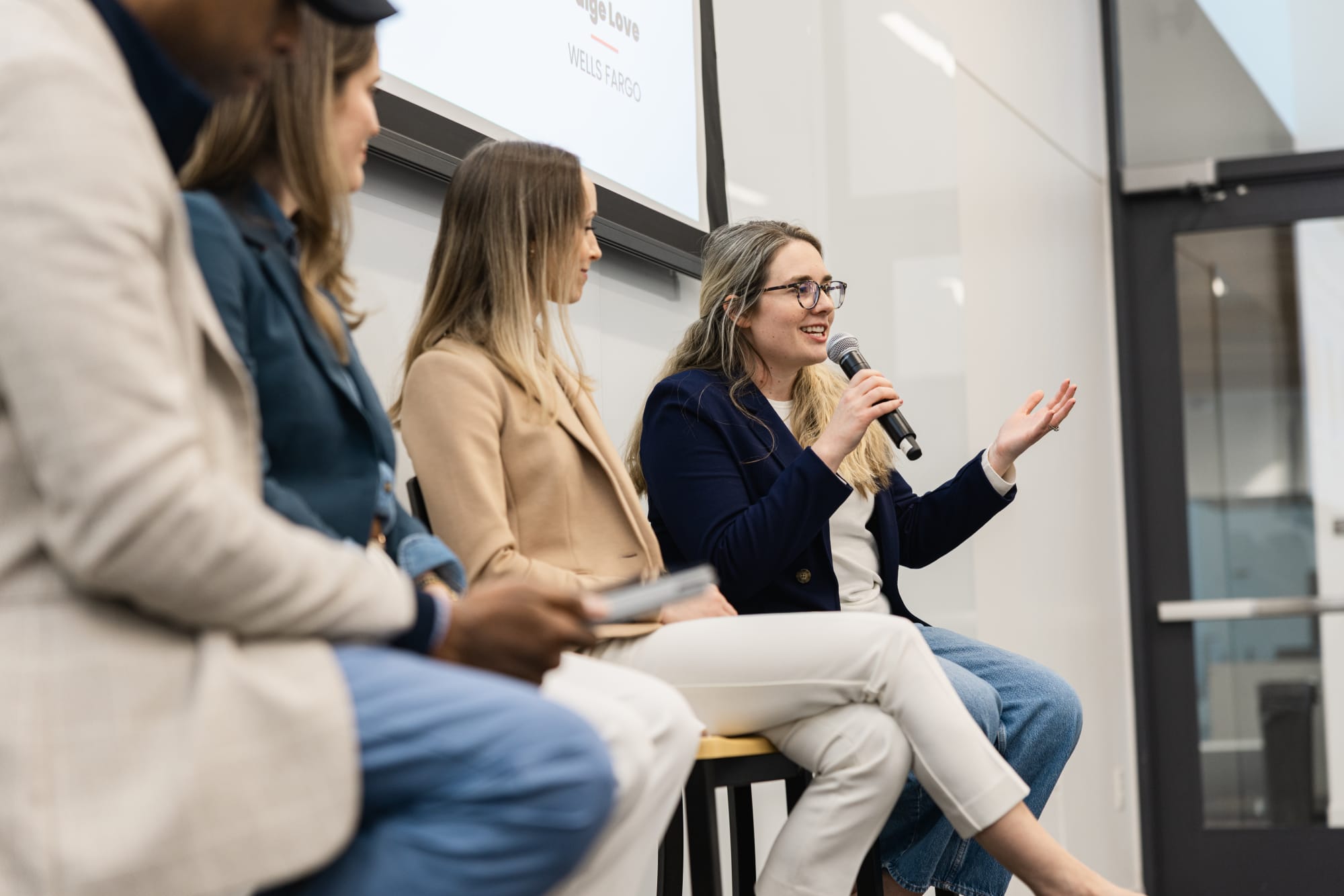
Infrastructure and workforce discussions addressed what Ohio needs to support that work. Google, Vertiv and the City of Westerville were represented on a panel about data centers, energy and the economic opportunities surrounding AI investment. A workforce panel brought together perspectives from COSI, Denison University, CodeAI and Wells Fargo on practical skills and helping teams change how they work.
A statewide conversation
Ohio Secretary of State Frank LaRose closed the Summit with remarks on Ohio’s innovation climate and the opportunities ahead.
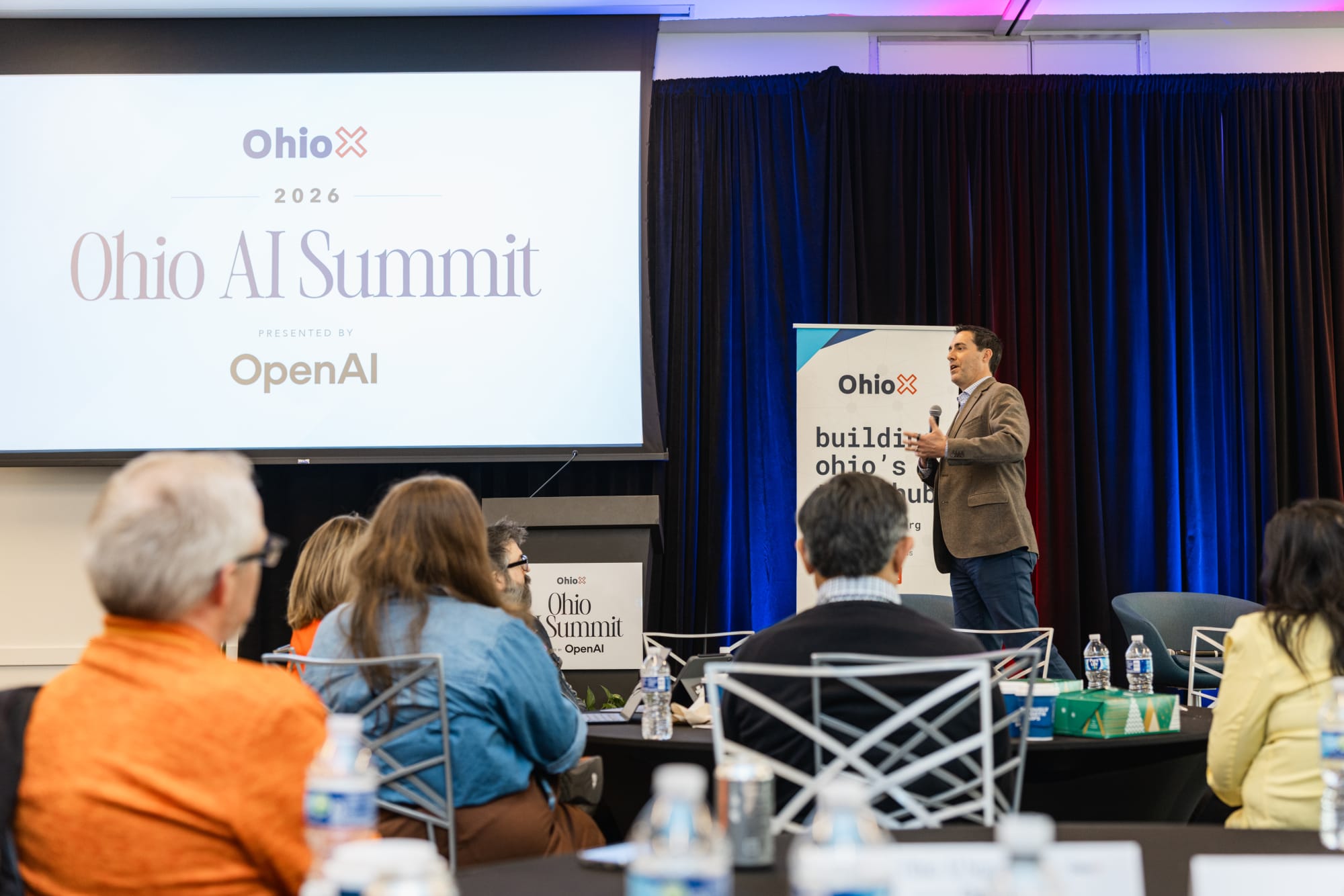
In a commentary previously published by Ohio Tech News, LaRose argued for using AI to improve government efficiency while preparing for the consequences of that change—including the potential impact of a smaller public workforce on pension contributions.
His remarks capped a program that brought corporate technology executives, founders, educators and public officials into the same room. For the third consecutive year, every seat was sold.